CM Conrad Sangma meets Coal Ministry on Meghalaya mining
Synopsis
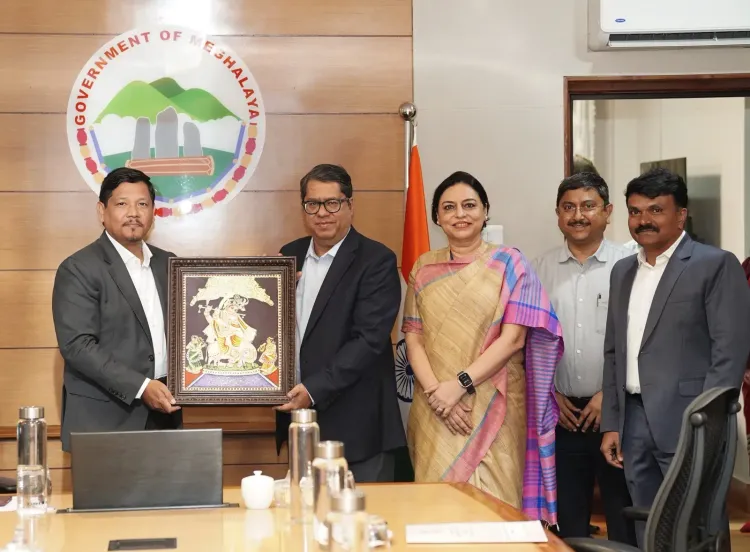
Meghalaya Chief Minister Conrad Sangma met senior Coal Ministry officials in Shillong on October 23, 2026, reviewing a central committee's work on enabling safe, scientific small-scale coal mining — a sector frozen in legal limbo since the NGT's 2014 rat-hole mining ban.
Key Takeaways
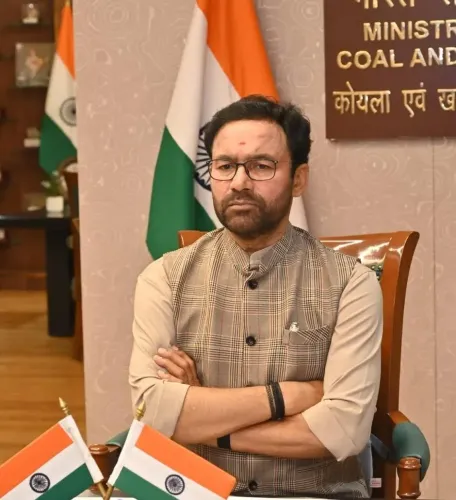
CM Conrad Sangma met the Secretary and Additional Secretary, Ministry of Coal in Shillong on October 23, 2026 .
The Additional Secretary chairs a central committee constituted specifically to examine small-scale coal mining in Meghalaya .
The meeting reviewed progress made by the committee so far; no final recommendations have been made public.
The National Green Tribunal banned rat-hole mining in Meghalaya in 2014 on environmental and safety grounds, triggering the long search for a regulated alternative.
The state government's stated goal is a framework enabling small miners to work 'scientifically and safely, while protecting the environment.' The next milestone to watch is the committee's final report and any follow-up central or state legislation enabling licensed operations.
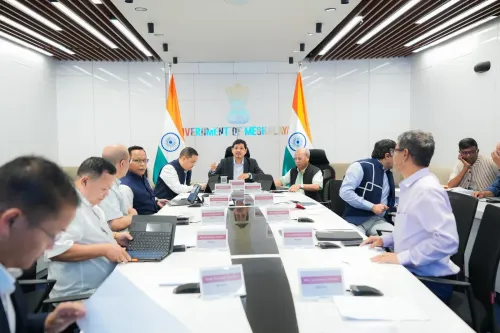
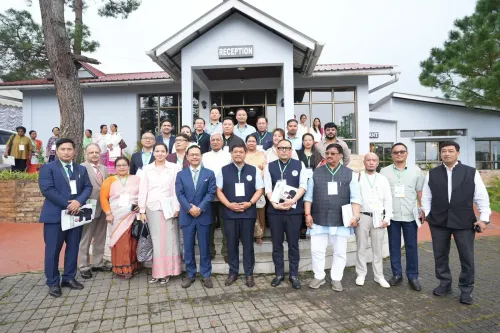
A decades-old tension between livelihood and law arrived at the negotiating table in Shillong on Friday, October 23, 2026, as Meghalaya Chief Minister Conrad Sangma met the Secretary of the Ministry of Coal and the Additional Secretary who chairs a central committee examining small-scale coal mining in the state — signalling fresh momentum in a regulatory standoff that has kept thousands of mining families in legal limbo.
The committee at the centre of Meghalaya's coal future
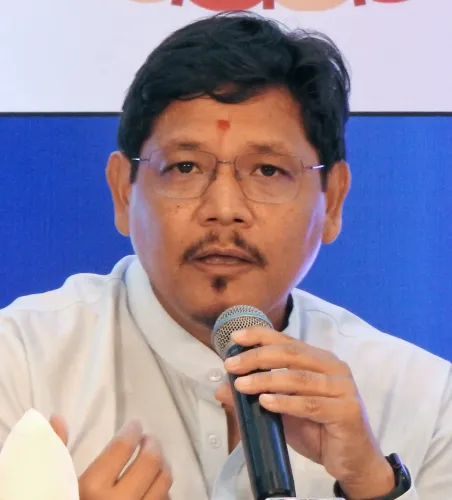
The Ministry of Coal constituted the committee specifically to examine pathways for small-scale coal mining operations in Meghalaya, where the sector has historically been the primary income source for a significant number of families across the state's coal-rich districts. CM Sangma described the meeting as a review of 'the progress made by the committee so far,' emphasising that 'coal mining is a source of livelihood for many families in our State.'
The Chief Minister framed the state government's objective clearly: 'Our effort is to find a way forward that allows our small miners to work scientifically and safely, while protecting the environment.' That three-part balance — economic viability, worker safety, and environmental protection — has proven elusive for over a decade.
From NGT's 2014 ban to the search for a scientific framework
The roots of the current impasse go back to 2014, when the National Green Tribunal banned rat-hole mining in Meghalaya, citing severe environmental degradation and repeated fatal accidents in the narrow, unlined pits that characterise the state's informal extraction methods. The ban effectively froze a sector that had operated outside formal regulation for generations, leaving miners without a legal framework to continue and the state without the revenue and employment the sector had generated.
Since then, successive central and state governments have grappled with the challenge of designing a regulated, scientific model that satisfies the NGT's environmental and safety thresholds while preserving the economic lifeline for small operators. The current committee represents the latest — and by the Chief Minister's account, actively progressing — attempt to crack that framework.
Centre-state alignment as the key variable
CM Sangma closed his post with a pointed commitment: 'We will continue working closely with the Government of India on this.' The phrasing matters. Meghalaya's coal challenge sits at the intersection of central mining law, state land rights, and judicial oversight — a triad that has historically made unilateral solutions impossible. Any workable outcome will require coordinated notifications or legislation from both New Delhi and Shillong.
What to watch now is the committee's final report and whether it translates into enforceable licensed operations — moving coal-dependent families from legal grey zones into a regulated, safer future.
Point of View
Sangma is signalling to coal-dependent communities that relief is on the horizon — without overpromising on a timeline. The framing of 'scientific and safe' mining is also significant: it positions Meghalaya as willing to meet the NGT's bar rather than challenge it, which improves the odds of any eventual framework surviving judicial scrutiny. The real test will come when the committee's report lands and the two governments must translate goodwill meetings into enforceable regulation.
NationPress
24 Oct 2026
Frequently Asked Questions
What did CM Conrad Sangma discuss with the Coal Ministry in Shillong?
CM Sangma met the Secretary and Additional Secretary of the Ministry of Coal in Shillong on October 23, 2026, to review the progress of a central committee examining how to enable safe, scientific small-scale coal mining in Meghalaya.
Why is coal mining banned in Meghalaya?
The National Green Tribunal banned rat-hole coal mining in Meghalaya in 2014 due to severe environmental damage — including land degradation and water pollution — and repeated fatal accidents in the unregulated, narrow pit mines.
What is rat-hole mining in Meghalaya?
Rat-hole mining refers to the informal practice of digging narrow, unlined shafts into hillsides or riverbeds to extract coal seams. It was widespread in Meghalaya for decades before the NGT banned it in 2014 on safety and environmental grounds.
What is the Coal Ministry committee on Meghalaya coal mining?
The Ministry of Coal constituted a committee, chaired by its Additional Secretary, to examine feasible regulatory pathways for small-scale coal mining in Meghalaya — essentially to design a framework that satisfies environmental and safety norms while preserving local livelihoods.
When will small-scale coal mining resume legally in Meghalaya?
No official date has been announced. The next key milestone is the committee's final report, after which the central government and the Meghalaya state government would need to issue notifications or legislation to enable licensed operations.