CM Dhami: 11 Special Schools Serve 1,300+ Children in Uttarakhand
Synopsis
Chief Minister Pushkar Singh Dhami has stated that Uttarakhand runs 11 government special schools providing education and rehabilitation to over 1,300 children with special needs, anchoring the initiative in the RPWD Act 2016 and Samagra Shiksha framework.
Key Takeaways
11 government-run special schools in Uttarakhand are currently operational for children with special needs.
More than 1,300 children with special needs are receiving specialised teaching and rehabilitation services through these schools.
The initiative is backed by the Rights of Persons with Disabilities Act, 2016 , which mandates free education up to age 18 across 21 recognised disability categories.
Samagra Shiksha Abhiyan (2018-19) provides central funding for special educators and resource rooms in states including Uttarakhand.
The National Education Policy 2020 directed states to strengthen special schools alongside inclusive mainstream education.
Future focus will be on budget allocations, potential expansion of the school network, and integration with district resource centres.
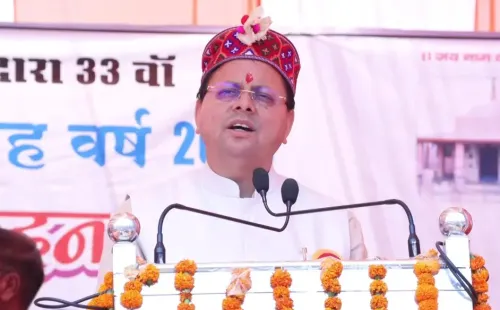
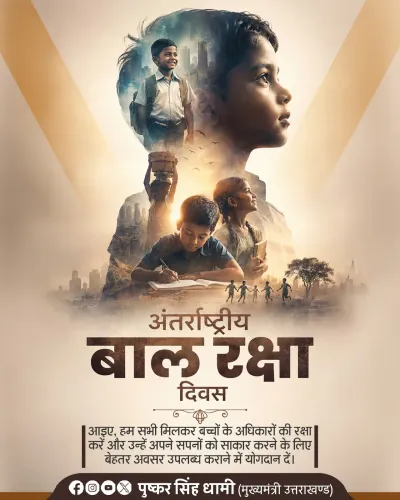
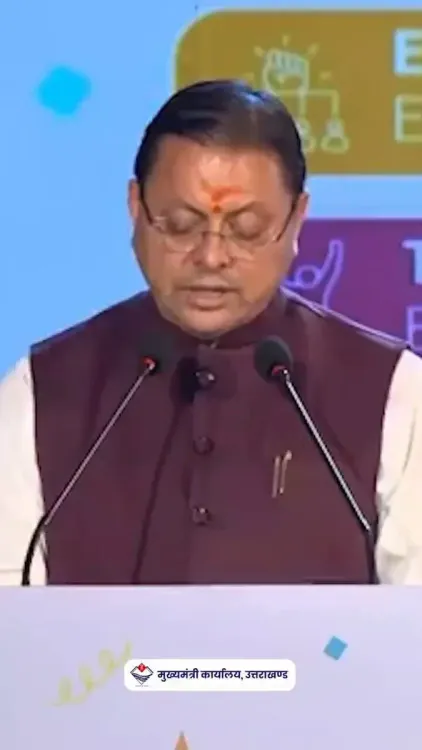
The Chief Minister's Office of Uttarakhand, on Sunday, 19 July 2026, shared a statement from Chief Minister Pushkar Singh Dhami highlighting that more than 1,300 children with special needs are receiving specialised education and rehabilitation services through 11 government-run special schools across the state.
Speaking on the initiative, CM Dhami said: 'Sarkar dwara sanchaalit 11 vishesh vidyalayon ke madhyam se 1,300 se adhik vishesh aavashyakta wale bachchon ko vishesh shikshan evam punarvasan sambandhi suvidhayen uplabdh karayi ja rahi hain' — meaning, 'Through 11 special schools run by the government, specialised teaching and rehabilitation facilities are being provided to more than 1,300 children with special needs.'
Context
Uttarakhand, a Himalayan state with a dispersed and partly remote population, faces particular logistical challenges in delivering disability-inclusive education. The state's education department has operationalised a network of dedicated special schools to serve children whose needs may not be fully met within mainstream classroom settings. The announcement, tagged #InclusiveEducation, signals the state government's intent to publicly account for this infrastructure.Policy Backdrop
The policy foundation for such schools rests on two central pillars. The Rights of Persons with Disabilities (RPWD) Act, 2016 expanded the list of recognised disabilities to 21 categories and mandated free education for persons with disabilities up to the age of 18 years, placing a direct obligation on state governments to provide appropriate facilities. Simultaneously, the Samagra Shiksha Abhiyan, a centrally sponsored programme launched in 2018-19, earmarked dedicated funds for special educators, resource rooms, and support services across states, including Uttarakhand. The National Education Policy 2020 further directed states to strengthen special schools and ensure barrier-free access, reinforcing the dual-track approach of inclusive mainstream schooling alongside dedicated special institutions.Stakeholders and Impact
The primary beneficiaries are children with special needs — a population that has historically faced barriers to consistent schooling, therapy, and vocational rehabilitation in hilly and remote geographies. Special educators and rehabilitation professionals staffing these 11 schools are also central stakeholders, as the quality and continuity of services depends on trained personnel and adequate resourcing. Several Indian states have pursued a similar model of creating or upgrading dedicated special schools alongside mainstream inclusion efforts under the RPWD Act and Samagra Shiksha; Uttarakhand's announcement fits this broader national pattern of state-level operationalisation of central mandates.What's Next
Attention will now turn to the state's budget allocations and whether the government plans to expand the network of these 11 schools, integrate them with district resource centres, or increase enrolment capacity to reach children currently outside the system. The announcement may also precede a formal policy review or legislative session discussion on disability welfare spending in Uttarakhand. Sustained investment in trained special educators and accessible infrastructure will be critical to translating the stated headcount of 1,300-plus children into measurable learning and rehabilitation outcomes.Point of View
300-plus children served is presented as evidence of state-level compliance with the RPWD Act 2016 and Samagra Shiksha mandates — a pattern seen across BJP-governed states seeking to showcase social sector metrics. However, the announcement raises as many questions as it answers: whether 11 schools are sufficient for a state with significant rural and remote populations, and whether rehabilitation services meet the full spectrum of the Act's 21 disability categories, remains to be examined. The broader policy arc points toward a tension between dedicated special schools and the NEP 2020 push for inclusive mainstream education — a balance Uttarakhand, like most states, is still navigating.
NationPress
20 Jul 2026
Frequently Asked Questions
How many special schools does Uttarakhand government run for disabled children?
The Uttarakhand government runs 11 special schools for children with special needs, as stated by Chief Minister Pushkar Singh Dhami on 19 July 2026 .
How many children with special needs are covered by Uttarakhand's special schools?
More than 1,300 children with special needs are currently receiving specialised education and rehabilitation services through these government-run schools.
What is the RPWD Act and how does it apply to special schools in India?
The Rights of Persons with Disabilities Act, 2016 expanded recognised disabilities to 21 categories and mandated free education up to age 18 , requiring states like Uttarakhand to provide dedicated education and rehabilitation facilities.
What is Samagra Shiksha Abhiyan's role in special education?
Samagra Shiksha Abhiyan , launched in 2018-19 , is a centrally sponsored scheme that funds special educators, resource rooms, and support services for children with disabilities across Indian states, including Uttarakhand.
What did CM Pushkar Singh Dhami say about inclusive education in Uttarakhand?
CM Dhami stated that through 11 government-run special schools , specialised teaching and rehabilitation facilities are being provided to more than 1,300 children with special needs in Uttarakhand .