CM Dhami Meets Block Pramukhs at Pramukh Sangathan Sammelan 2026
Synopsis
Uttarakhand CM Pushkar Singh Dhami met block pramukhs and Pramukh Sangathan office-bearers at Mukhya Sevak Sadan, Dehradun on 1 November 2026, holding dialogue on empowering Kshetra Panchayats, resource allocation, and rural development delivery.
Key Takeaways
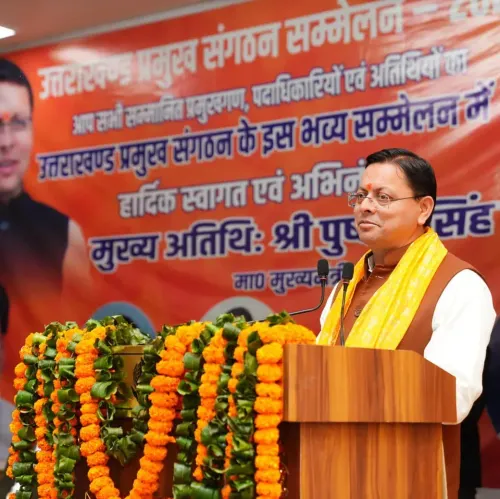
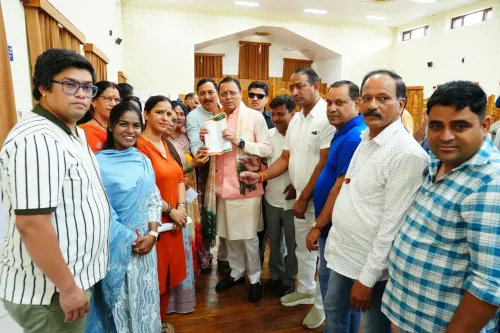
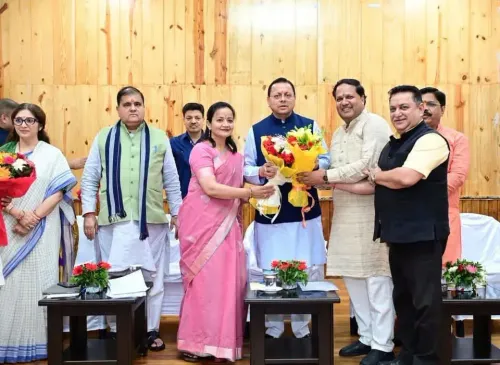
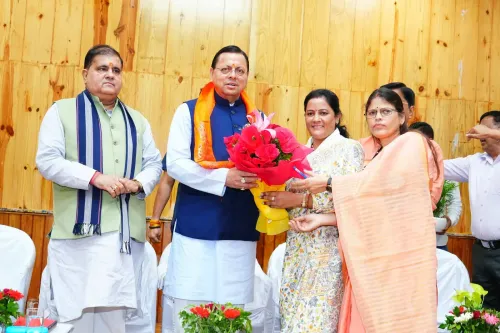
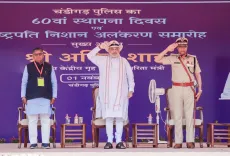
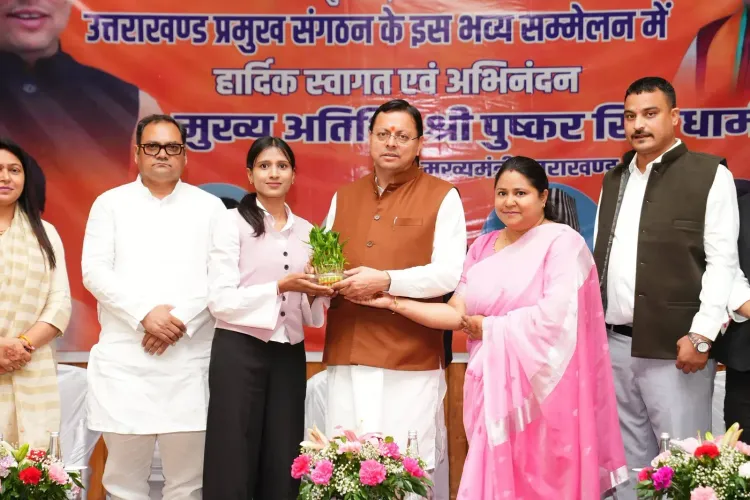
CM Pushkar Singh Dhami attended the Pramukh Sangathan Sammelan-2026 at Mukhya Sevak Sadan, Dehradun on 1 November 2026 .
The conference was organised by the Uttarakhand Block Pramukh Sangathan , bringing together elected block heads from across the state.
Dhami stressed that block pramukhs are a critical link in expanding basic infrastructure, implementing development schemes, and resolving rural grievances.
Substantive discussions covered empowering Kshetra Panchayats , resource availability for development works, and rights and duties of elected representatives.
The dialogue reflects the challenges of decentralised governance in Uttarakhand's hilly terrain, where the intermediate panchayat tier is vital for last-mile delivery.
Follow-up actions on resource allocation and formal empowerment measures for Kshetra Panchayats are the key developments to watch.
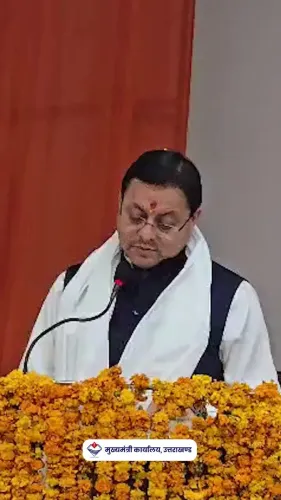
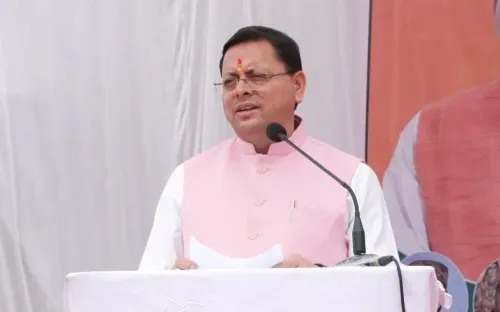
Grassroots governance took centre stage in Dehradun on Sunday, 1 November 2026, as Uttarakhand Chief Minister Pushkar Singh Dhami addressed elected block heads from across the state, calling their role 'extremely important' in the journey of rural development.
Block pramukhs gather at Mukhya Sevak Sadan
CM Dhami arrived at Mukhya Sevak Sadan — the official venue in Dehradun used for high-level government interactions — to participate in the Pramukh Sangathan Sammelan-2026, organised by the Uttarakhand Block Pramukh Sangathan. The conference brought together elected block pramukhs and office-bearers of the organisation from every district of the state for what the Chief Minister described as an aatmiya samvaad — a heartfelt dialogue.
Dhami outlined the multi-layered responsibilities of block pramukhs: expanding basic infrastructure in villages, driving effective implementation of development schemes, resolving public grievances, and accelerating development work in line with local needs. In Uttarakhand's hilly terrain, where geography routinely complicates last-mile delivery, that list is anything but routine.
Kshetra Panchayats, resources, and the rights of elected representatives
The conference was not limited to speeches. CM Dhami said substantive discussion took place on four specific fronts: empowering Kshetra Panchayats — the intermediate tier of the three-tier Panchayati Raj system — ensuring availability of resources for development works, clarifying the rights and responsibilities of elected representatives, and identifying and solving local problems specific to rural areas.
The three-tier Panchayati Raj framework, anchored in the 73rd Constitutional Amendment Act of 1992, assigns the intermediate block-level body — the Kshetra Panchayat — a coordination role between gram panchayats at the village level and zila panchayats at the district level. In practice, how well-resourced and empowered that middle tier is often determines whether centrally and state-funded schemes actually reach the field or stall in paperwork.
Why Uttarakhand's terrain makes this conversation urgent
As a hill state carved out in 2000, Uttarakhand has long grappled with decentralised governance challenges that flatland states rarely face: scattered habitations, seasonal road connectivity, and thin administrative density. Progressive states have found that regular, structured dialogue between the chief executive and block-level representatives — not just district officials — measurably improves scheme uptake and grievance redressal.
By convening block pramukhs from across the state at a single forum, the Dhami government is signalling that it views elected panchayat leaders not as passive conduits for state largesse but as active partners in rural planning. Whether follow-up resource allocations and empowerment measures for Kshetra Panchayats materialise will be the real test of that intent.
The block pramukhs who left Mukhya Sevak Sadan on Sunday carry back more than a Chief Minister's words — they carry an expectation. Uttarakhand's villages are waiting to see it kept.
Point of View
Keeping block pramukhs energised and heard is also smart organisational politics ahead of future election cycles. The real analytical question is whether the rhetoric of empowering Kshetra Panchayats translates into devolved budgets and administrative authority, which has historically lagged behind constitutional promise across Indian states. Uttarakhand's hill-specific constraints give the intermediate panchayat tier an outsized importance that makes genuine empowerment both harder and more consequential here than in most states.
NationPress
1 Nov 2026
Frequently Asked Questions
What is the Pramukh Sangathan Sammelan 2026 in Uttarakhand?
The Pramukh Sangathan Sammelan-2026 is a state-level conference organised by the Uttarakhand Block Pramukh Sangathan, bringing together elected block pramukhs and office-bearers from across Uttarakhand to dialogue with the Chief Minister on rural governance and development.
What is a block pramukh in Uttarakhand?
A block pramukh is the elected head of a Kshetra Panchayat — the intermediate tier of Uttarakhand's three-tier Panchayati Raj system — responsible for coordinating rural development and scheme implementation at the block level.
What is Mukhya Sevak Sadan in Dehradun?
Mukhya Sevak Sadan is an official venue in Dehradun used by the Uttarakhand Chief Minister for high-level government meetings, interactions with public representatives, and governance-related conferences.
What is a Kshetra Panchayat and what does it do?
A Kshetra Panchayat is the block-level body in India's three-tier Panchayati Raj structure, established under the 73rd Constitutional Amendment Act of 1992. It coordinates between village-level gram panchayats and district-level zila panchayats on rural planning and development.
What did CM Dhami discuss with block pramukhs at the sammelan?
CM Dhami discussed empowering Kshetra Panchayats, ensuring resource availability for development works, clarifying the rights and responsibilities of elected representatives, and identifying and solving local rural problems.