CM Dhami Buys Saree for Mother in Khatima, Backs Local Trade
Synopsis
Uttarakhand Chief Minister Pushkar Singh Dhami stopped at a local shop in Khatima on 15 November 2026 to buy a saree for his mother, interacting with traders and reinforcing the Vocal for Local message during his Chhath Puja public outreach.
Key Takeaways
CM Pushkar Singh Dhami visited Pradeep and Company on Melaghat Road, Khatima on 15 November 2026 .
He purchased a saree for his mother during his post-Chhath Puja public outreach programme.
Dhami spoke directly with local shopkeepers about the state of their businesses.
The visit was framed as a live demonstration of the Vocal for Local campaign under Atmanirbhar Bharat .
Khatima is located in Udham Singh Nagar district , near the Nepal border, an area prioritised for political outreach.
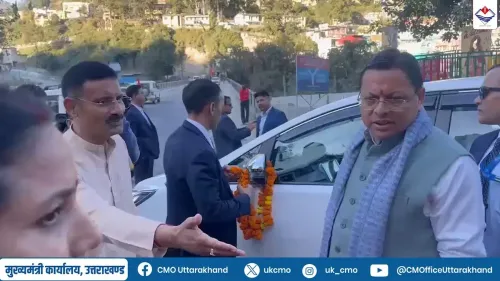
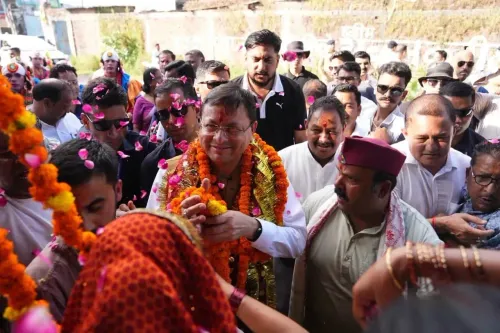
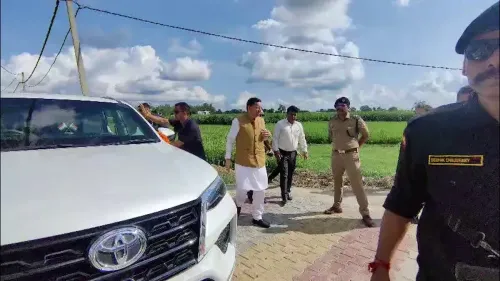
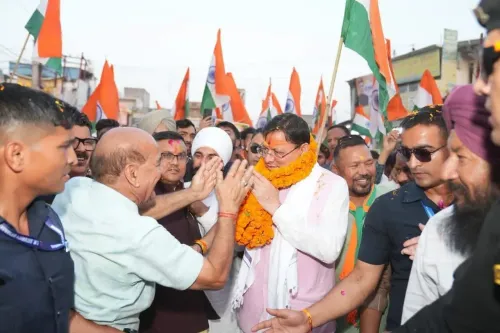
Returning from Chhath Puja celebrations, Uttarakhand Chief Minister Pushkar Singh Dhami made an unscripted stop on Melaghat Road, Khatima on Sunday, 15 November 2026 — stepping into a local shop to buy a saree for his mother, and turning a small personal errand into a pointed message for small-town commerce.
A Stop at Pradeep and Company
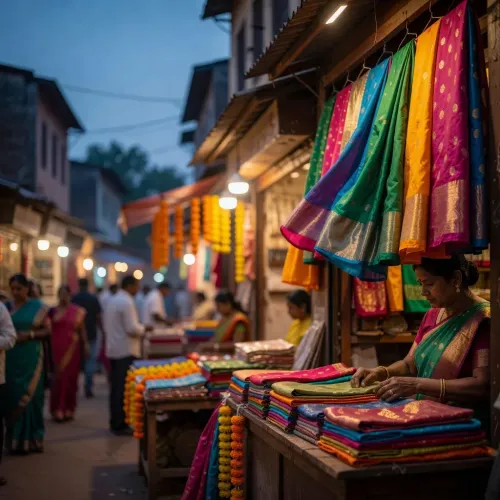
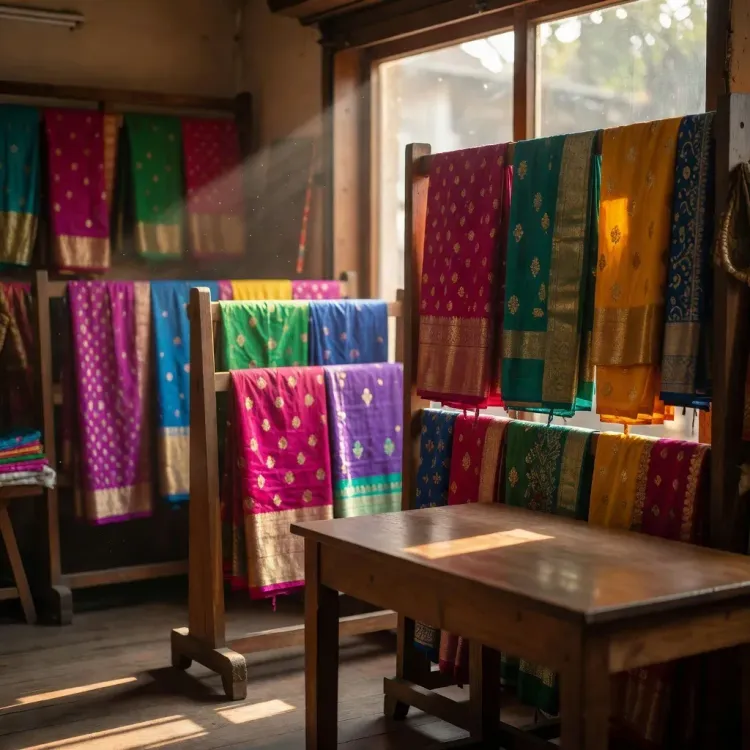
During his jansamparak karyakram (public outreach programme), CM Dhami paused at Pradeep and Company, a local retail establishment on Melaghat Road. He browsed, picked out a saree for his mother, and paid for it like any other customer. The shop owner and neighbouring traders, by all accounts, were delighted — and the moment was anything but routine.
Dhami took time to speak directly with local shopkeepers, asking about the state of their businesses and listening to their concerns. The Chief Minister's Office described the atmosphere as one of 'special enthusiasm and happiness' among traders in the vicinity.
Vocal for Local — Lived, Not Just Spoken
The gesture was deliberate in its symbolism. By choosing a neighbourhood store over a branded outlet, Dhami aligned himself visibly with the Vocal for Local campaign — the national push for indigenous goods that has been a central plank of the Atmanirbhar Bharat Abhiyan since its launch in May 2020. For small retailers in towns like Khatima, that kind of endorsement from the top of the state government carries weight far beyond any policy circular.
Khatima, a town in Udham Singh Nagar district near the Nepal border, sits in a part of Uttarakhand where public access to the Chief Minister is relatively rare. An unannounced visit during a festival — where the CM interacts, shops, and listens — lands differently here than it would in Dehradun.
Festival Politics and the MSME Signal
Chief ministers across India have increasingly used festival seasons to reinforce economic messaging around domestic consumption and micro-enterprise support. For BJP-led state governments, these symbolic moments dovetail neatly with the Centre's sustained emphasis on MSMEs since 2020. Dhami's Khatima stop fits that pattern — but the choice of a personal, family-linked purchase gives it an intimacy that official trade events rarely achieve.
The question now is whether the optics translate into action: Uttarakhand watchers will look for follow-up schemes or district-level trade promotion events targeting small retailers in border and rural areas.
A Chief Minister buying his mother a saree at a roadside shop is, on its face, unremarkable. What it signals about the politics of local commerce in Uttarakhand — that is the story worth watching.
Point of View
Ideological enough to reinforce BJP's Atmanirbhar Bharat narrative at the grassroots. For a Chief Minister with a constituency in Khatima, shopping locally is also quietly personal branding. The broader arc here is about BJP-led states using visible, human-scale gestures to keep the Vocal for Local campaign alive at the street level, beyond formal policy announcements. Whether Uttarakhand follows through with concrete MSME support for border-district retailers will determine if this moment is substance or symbolism.
NationPress
15 Nov 2026
Frequently Asked Questions
Why did CM Dhami visit a shop in Khatima?
CM Pushkar Singh Dhami stopped at Pradeep and Company in Khatima on 15 November 2026 while returning from Chhath Puja, buying a saree for his mother and interacting with local traders as part of his public outreach programme.
What is the Vocal for Local campaign?
Vocal for Local is a national initiative launched under the Atmanirbhar Bharat Abhiyan in May 2020 that encourages Indians to buy domestically made and locally sourced goods to support indigenous businesses.
Where is Khatima located?
Khatima is a town in Udham Singh Nagar district of Uttarakhand, situated near the Nepal border in the Terai region.
What did CM Dhami discuss with local traders in Khatima?
According to the Chief Minister's Office, Dhami spoke with shopkeepers and local business owners about the state of their trade and sought information on their business conditions.
What is Chhath Puja?
Chhath Puja is a Hindu festival dedicated to the Sun God, widely observed across northern India including parts of Uttarakhand, typically involving prayers at riverbanks at sunrise and sunset.