CM Dhami Calls Char Dham Shrines Soul of Uttarakhand
Synopsis
Uttarakhand Chief Minister Pushkar Singh Dhami on 21 June 2026 declared the state's sacred Char Dham shrines — Badrinath, Kedarnath, Gangotri, and Yamunotri — to be the soul of Devbhoomi Uttarakhand and symbols of its faith, culture, and identity.
Key Takeaways
CM Pushkar Singh Dhami posted on 21 June 2026 affirming that the soul of Devbhoomi Uttarakhand resides in its sacred Dhams.
The Char Dham circuit — Badrinath, Kedarnath, Gangotri, and Yamunotri — is described as the symbol of the state's faith, culture, and identity.
The Char Dham All-Weather Road Project , sanctioned in 2016 , reflects the state's policy of translating cultural priority into infrastructure investment.
The pilgrimage economy is a core pillar of Uttarakhand 's development strategy, benefiting millions of pilgrims and the local tourism sector annually.
CM Dhami has served as Chief Minister since 2021 and has consistently emphasised the state's religious heritage as central to its public identity.
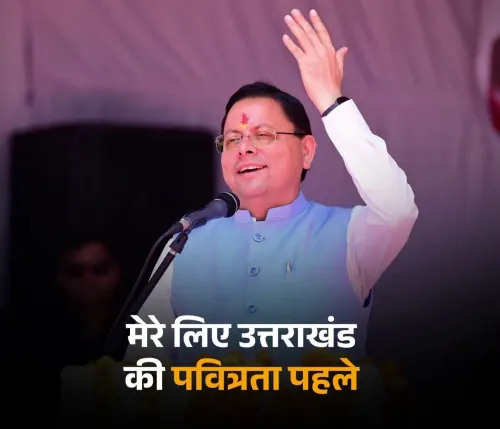
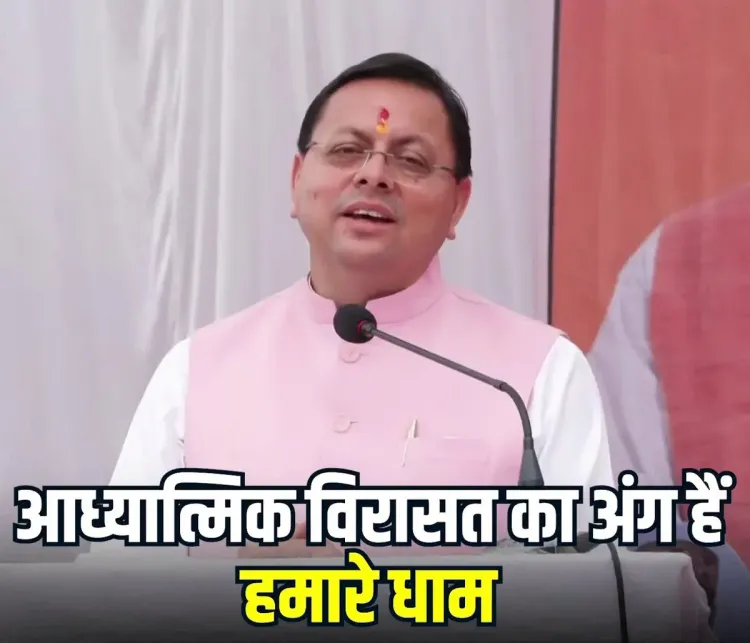
Uttarakhand Chief Minister Pushkar Singh Dhami on Sunday, 21 June 2026 reaffirmed the centrality of the state's sacred shrines to its cultural and spiritual identity, declaring that the soul of Devbhoomi Uttarakhand resides in its holy Dhams.
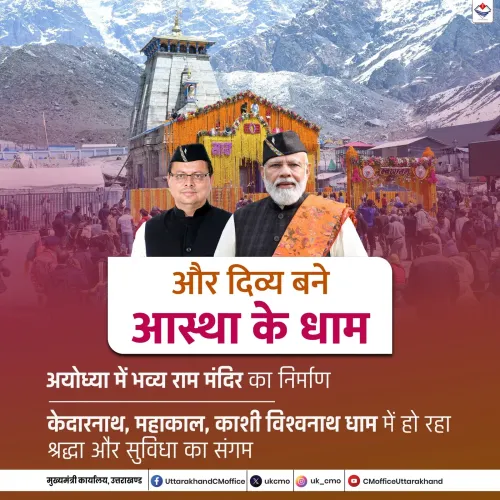
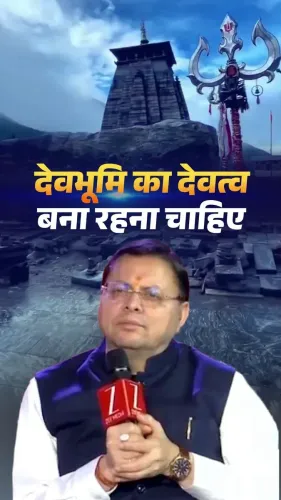
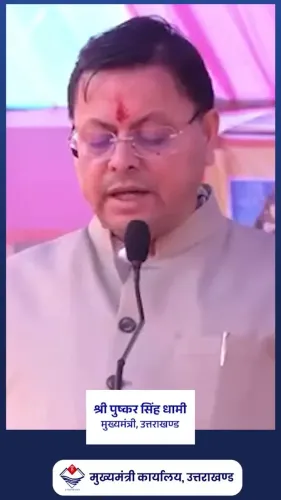
Posting on X, CM Dhami wrote in Hindi: 'देवभूमि उत्तराखंड की आत्मा उसके पवित्र धामों में बसती है, यही हमारी आस्था, संस्कृति और पहचान के प्रतीक हैं।' — translated: 'The soul of Devbhoomi Uttarakhand resides in its sacred Dhams; these are the symbols of our faith, culture, and identity.' The post was accompanied by a video, underscoring the state government's continued effort to promote Uttarakhand's religious heritage through digital outreach.
Context
Uttarakhand, carved out as a separate state in 2000, has long been promoted under the epithet Devbhoomi — 'Land of the Gods' — owing to its dense concentration of Hindu pilgrimage centres. The Char Dham circuit — comprising Badrinath, Kedarnath, Gangotri, and Yamunotri — forms the spiritual and geographic backbone of this identity. CM Dhami, who has served as Chief Minister since 2021, has consistently framed these shrines as inseparable from the state's public character.
Policy Backdrop
The assertion carries policy weight beyond symbolism. The Char Dham All-Weather Road Project, sanctioned in 2016, was designed to ensure year-round connectivity to the four principal shrines — a direct translation of cultural priority into infrastructure investment. Successive state governments, including the current BJP administration, have treated the pilgrimage economy as a cornerstone of Uttarakhand's development model, aligning with broader central-government investment in Himalayan religious infrastructure. Shrine maintenance, access roads, and pilgrim facilities have featured regularly in state budget deliberations.
Stakeholders and Impact
The statement resonates most immediately with the millions of pilgrims who undertake the annual Char Dham Yatra each season, as well as the hospitality and transport sectors whose livelihoods depend on the pilgrimage economy. For the BJP in Uttarakhand, the Dhams also carry significant electoral symbolism — the party has built much of its state-level narrative around cultural guardianship of the region's sacred sites. Local communities in shrine towns such as Badrinath and Kedarnath are among the most directly affected by any policy or infrastructure decisions tied to this framing.
What's Next
Attention will now turn to preparations for the current Char Dham Yatra season and any fresh state allocations for shrine upkeep or road connectivity. CM Dhami's post signals that cultural identity and pilgrimage infrastructure will remain high on the state government's agenda. As pilgrim footfall at the Char Dham sites continues to grow year on year, the pressure on the state to match its rhetoric with sustained investment in access and facilities will only intensify.
Point of View
Dhami ties the government's identity directly to the pilgrimage economy — a framing that simultaneously serves electoral and developmental purposes. This mirrors a broader national pattern in which Himalayan sacred geography is cast as both cultural patrimony and economic asset. The post also keeps the Yatra season and its associated infrastructure demands in public focus at a politically useful moment.
NationPress
21 Jun 2026
Frequently Asked Questions
What did CM Pushkar Singh Dhami say about Uttarakhand's Char Dham shrines?
CM Dhami stated that the soul of Devbhoomi Uttarakhand resides in its sacred Dhams — Badrinath, Kedarnath, Gangotri, and Yamunotri — calling them symbols of the state's faith, culture, and identity.
What is the Char Dham Yatra and why is it important for Uttarakhand?
The Char Dham Yatra is an annual Hindu pilgrimage to four sacred shrines in Uttarakhand. It is central to the state's cultural identity and drives a significant portion of its tourism economy, supporting millions of pilgrims and local livelihoods each season.
What is the Char Dham All-Weather Road Project?
The Char Dham All-Weather Road Project was sanctioned in 2016 to provide year-round road connectivity to the four principal Char Dham shrines in Uttarakhand, improving access for pilgrims regardless of weather conditions.
Why is Uttarakhand called Devbhoomi?
Uttarakhand is called Devbhoomi, meaning 'Land of the Gods,' because of its exceptionally high concentration of Hindu pilgrimage sites and temples, including the Char Dham circuit and numerous other sacred locations across the Himalayas.
Who is Pushkar Singh Dhami and when did he become Chief Minister of Uttarakhand?
Pushkar Singh Dhami is a BJP leader who has served as Chief Minister of Uttarakhand since 2021. He has made the promotion of the state's religious heritage and pilgrimage infrastructure a central theme of his administration.