CM Dhami celebrates Igas at Chief Minister's residence
Synopsis
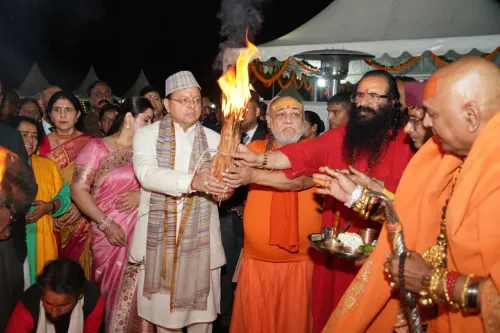
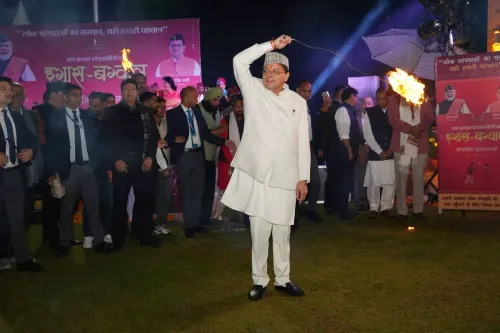
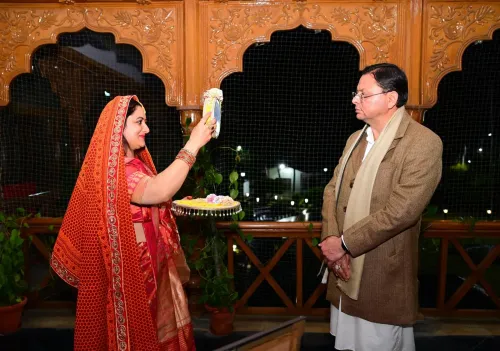
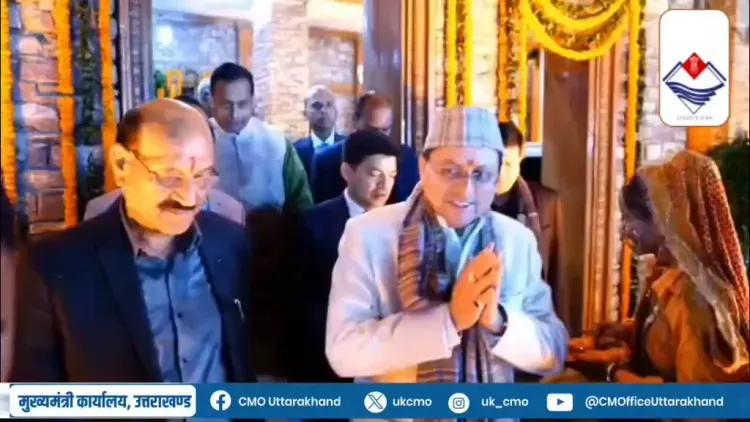
Chief Minister Pushkar Singh Dhami marked the Kumaoni folk festival Igas at his Dehradun residence on 18 November 2026, personally performing the Bhailo ritual — a flame-swinging tradition tied to the Kumaon region's distinct post-Diwali celebration.
Key Takeaways
CM Pushkar Singh Dhami celebrated the Kumaoni festival Igas at the Chief Minister's official residence in Dehradun on 18 November 2026 .
Dhami personally performed Bhailo , the traditional folk game and song ritual central to Igas celebrations.
Igas is observed approximately eleven days after Diwali and is rooted in a legend about Kumaoni soldiers returning home after the festival had passed.
The festival is unique to the Kumaon region of Uttarakhand and is a recognised marker of distinct Kumaoni cultural identity.
CM Dhami has consistently participated in Uttarakhand's folk calendar — including Harela and Ghee Sankranti — since taking office in 2021 .
Uttarakhand's most distinctive post-Diwali folk celebration lit up the Chief Minister's residence in Dehradun on Wednesday, 18 November 2026, as Chief Minister Pushkar Singh Dhami played Bhailo — the traditional game and song ritual at the heart of the Kumaoni festival of Igas — keeping an ancient custom alive in the state's highest official home.
The Chief Minister's Office posted on X that the folk festival Igas was celebrated at the Chief Minister's residence 'paaramparik ullaas evam utsaah ke saath' — 'with traditional joy and enthusiasm' — and that CM Dhami personally performed the Bhailo ritual to honour the living folk tradition.What is Igas — and why Bhailo matters
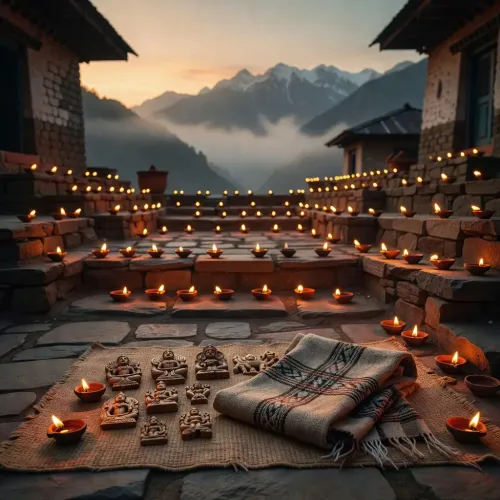
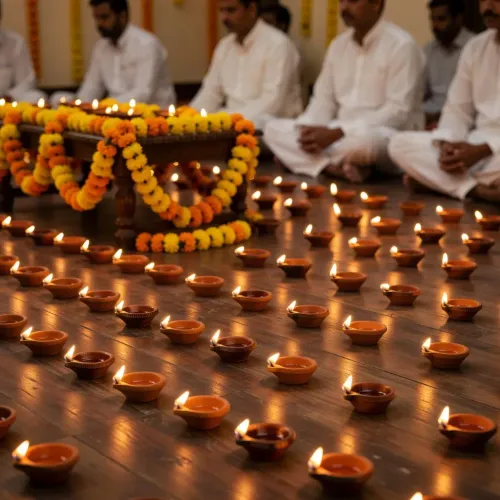
Igas is a Kumaoni festival observed roughly eleven days after Diwali, rooted in the legend that soldiers from the Kumaon hills were away at war when Diwali arrived, and so the region celebrated the return of light and joy only after they came home. The festival is marked by the lighting of lamps, folk singing, and the communal Bhailo — a tradition in which participants swing flaming torches or bundles of grass in circular arcs, chanting songs that celebrate the harvest season and invoke blessings.
The ritual is deeply embedded in Kumaoni identity, passed down through generations in villages across the hills. Its survival in an urban, official setting — the Chief Minister's residence — carries a symbolic weight that goes beyond ceremony.
Dhami's pattern of cultural participation
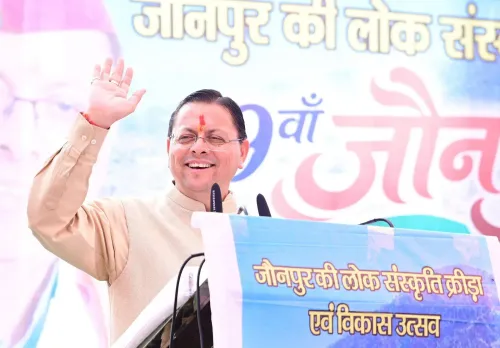
CM Dhami, who has represented BJP and held the Chief Minister's office since 2021, has made participation in Uttarakhand's folk calendar a visible part of his public persona. Kumaoni and Garhwali festivals — from Harela to Ghee Sankranti — regularly feature the Chief Minister as an active participant rather than a ceremonial observer. The approach reflects a broader pattern among state leaders in India: joining local customs to reinforce both cultural legitimacy and regional pride.
Uttarakhand, carved out as a separate state in 2000 partly to protect the distinct Kumaoni and Garhwali identities, places particular weight on these traditions as markers of its separate statehood.
In a state where folk culture and governance are frequently intertwined in public messaging, the sight of a sitting Chief Minister swinging a Bhailo torch is a reminder that in Uttarakhand, the hills never entirely leave the corridors of power.
Point of View
Successive governments have competed to be seen as authentic custodians of Kumaoni and Garhwali traditions. By staging the celebration at the Chief Minister's residence, the event moves cultural symbolism into the formal apparatus of the state — a subtle but effective form of soft governance. Watching whether these participatory moments are followed by substantive policy on folk-art preservation or artisan livelihoods will tell a clearer story about intent.
NationPress
18 Nov 2026
Frequently Asked Questions
What is Igas festival in Uttarakhand?
Igas is a traditional Kumaoni folk festival celebrated roughly eleven days after Diwali in Uttarakhand. Legend holds that Kumaoni soldiers were away at war during Diwali and so the community postponed its celebration of light and joy until they returned. It is marked by lamp-lighting, folk songs, and the Bhailo ritual.
What is Bhailo in the Igas festival?
Bhailo is the central folk tradition of Igas in which participants swing flaming torches or bundles of dried grass in wide circular arcs while chanting traditional songs tied to the harvest season and community blessings.
Did CM Dhami celebrate Igas 2026?
Yes. Chief Minister Pushkar Singh Dhami celebrated Igas on 18 November 2026 at the Chief Minister's official residence in Dehradun, personally performing the Bhailo ritual as part of the festivities.
Why is Igas celebrated after Diwali in Kumaon?
According to Kumaoni tradition, soldiers from the region were away fighting when Diwali was observed, so their families and communities waited for their return before celebrating. This delayed festival became Igas, an expression of collective homecoming and gratitude.
Which region of Uttarakhand celebrates Igas?
Igas is primarily a festival of the Kumaon region of Uttarakhand, though awareness of it has grown across the state as a symbol of distinct Uttarakhandi folk heritage.