CM Dhami Credits PM Modi for Fulfilling OROP Demand
Synopsis
Uttarakhand Chief Minister Pushkar Singh Dhami credited Prime Minister Narendra Modi with fulfilling the decades-old One Rank, One Pension demand, describing it as proof of the government's unbreakable commitment to soldiers' honour and welfare.
Key Takeaways
The Chief Minister's Office of Uttarakhand quoted CM Pushkar Singh Dhami on 26 July 2026 crediting PM Narendra Modi for implementing OROP.
The One Rank, One Pension scheme was approved by the central government in November 2015 , effective from 1 July 2014 .
OROP resolved a four-decade-old demand by ex-servicemen for pension parity regardless of retirement date.
Uttarakhand has one of India's highest per-capita representations in the armed forces, making OROP a significant issue for the state.
CM Dhami described OROP implementation as proof of the government's 'unbreakable commitment to the honour and welfare of soldiers.'
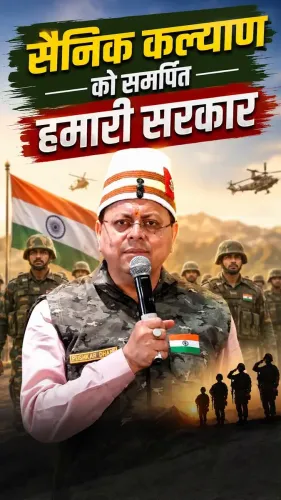
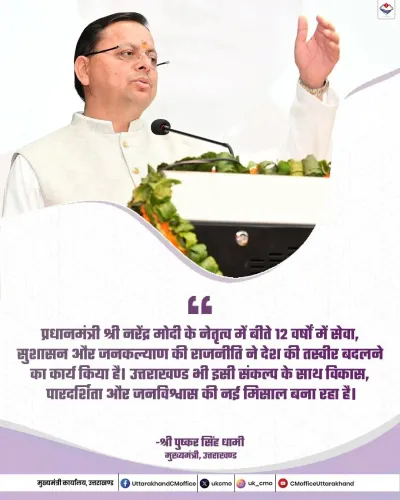
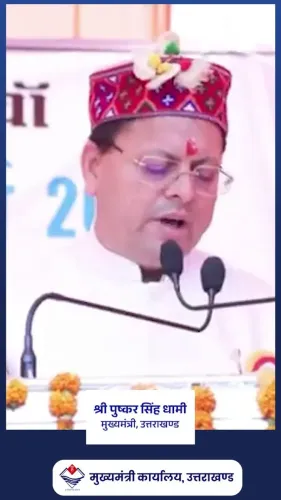
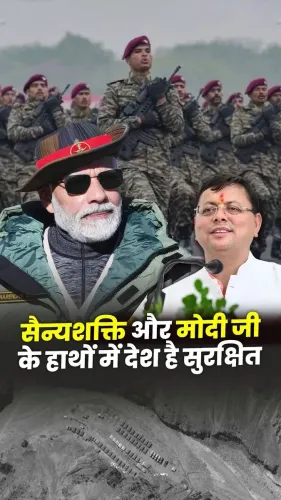
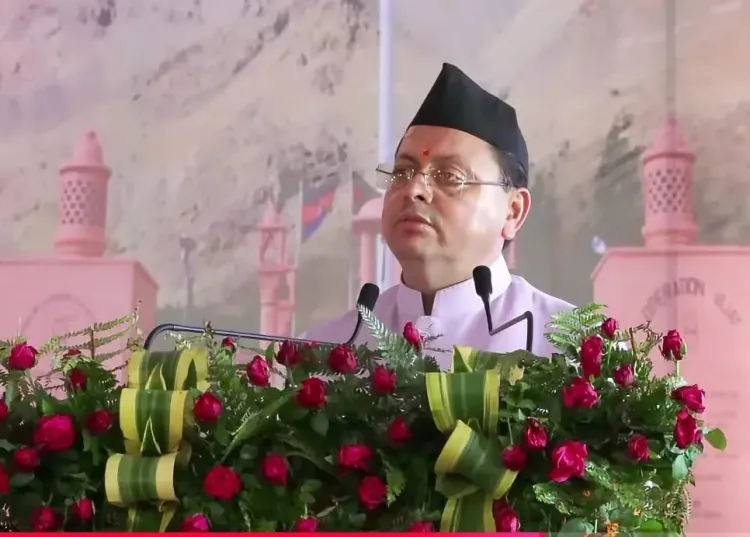
The Chief Minister's Office of Uttarakhand, on Sunday, 26 July 2026, quoted Chief Minister Pushkar Singh Dhami crediting Prime Minister Narendra Modi with fulfilling the long-standing 'One Rank, One Pension' demand of the armed forces, calling it proof of the government's unwavering commitment to soldiers' honour and welfare.
Context
The official post quoted CM Dhami as saying: 'Sainikon ki varshon purani One Rank, One Pension ki maang aadaraniya Pradhanmantri Shri Narendra Modi ji ke kushal netritva mein hi poori ho saki.' ('The years-old demand of soldiers for One Rank, One Pension could be fulfilled only under the able leadership of respected Prime Minister Shri Narendra Modi.')
He further described the scheme's implementation as 'proof of our government's unbreakable commitment to the honour and welfare of soldiers.' The statement comes from a state that has one of the highest per-capita representations in the Indian Armed Forces and a large population of defence veterans.
Policy Backdrop
The One Rank, One Pension (OROP) scheme addresses a decades-old grievance: that two soldiers retiring at the same rank but in different years received different pensions, as pension was linked to the pay commission at the time of retirement. Veterans and their families had campaigned for parity for over four decades.
The central government approved the OROP scheme in November 2015, with effect from 1 July 2014. Arrears were paid to eligible ex-servicemen in instalments over subsequent years, benefiting lakhs of retired personnel and their families across India.
Uttarakhand, carved out of Uttar Pradesh in 2000, has a deep military tradition — districts such as Pauri Garhwal, Almora, and Chamoli have historically supplied a disproportionately large share of recruits to the Army, making OROP a politically and socially significant issue in the state.
Stakeholders and Impact
The primary beneficiaries of OROP are ex-servicemen and their families, particularly war widows and disabled veterans who depend on pension as their primary income. Organisations representing defence veterans had sustained agitations over multiple decades and across successive governments before the scheme was implemented.
Uttarakhand has consistently ranked among the states most invested in armed forces welfare, and the Dhami government has positioned ex-servicemen welfare as a policy priority. Publicly crediting the central government for OROP also reflects a broader pattern of state-level political communication in states with strong military traditions.
What's Next
Observers will watch for any announcements of state-level complementary measures — such as enhanced ex-servicemen welfare schemes, additional pension top-ups, or employment reservations for veterans' dependants — that could follow such public reaffirmations of commitment. Periodic revisions to OROP quantum, which are reviewed every five years under the scheme's framework, remain a continuing point of attention for veterans' organisations nationwide.
Point of View
On what is broadly a period of heightened focus on national security and armed forces welfare, suggests the Dhami government is reinforcing its credentials with a voter base that carries significant weight in Uttarakhand's hill constituencies. The statement also subtly underscores the BJP's broader national narrative of prioritising defence welfare as a pillar of governance.
NationPress
26 Jul 2026
Frequently Asked Questions
What is One Rank One Pension (OROP)?
One Rank One Pension (OROP) is a scheme that ensures retired military personnel of the same rank and length of service receive the same pension, regardless of when they retired. It was approved by the central government in November 2015 with effect from 1 July 2014.
What did CM Pushkar Dhami say about OROP?
CM Pushkar Singh Dhami stated that the long-standing OROP demand of soldiers could be fulfilled only under the able leadership of Prime Minister Narendra Modi, and called it proof of the government's unbreakable commitment to soldiers' honour and welfare.
Why is OROP important for Uttarakhand?
Uttarakhand has one of the highest per-capita representations in the Indian Armed Forces, with districts like Pauri Garhwal and Almora historically supplying large numbers of recruits. This makes pension parity for ex-servicemen a significant social and political issue in the state.
When was the OROP scheme implemented in India?
The OROP scheme was approved by the central government in November 2015 and made effective from 1 July 2014. Arrears were paid to eligible ex-servicemen in instalments over the following years.
Who benefits from the One Rank One Pension scheme?
The primary beneficiaries are retired personnel of the Indian Armed Forces — Army, Navy, and Air Force — along with war widows and disabled veterans who depend on pension as their main source of income.