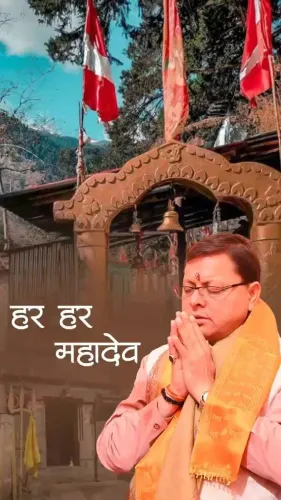
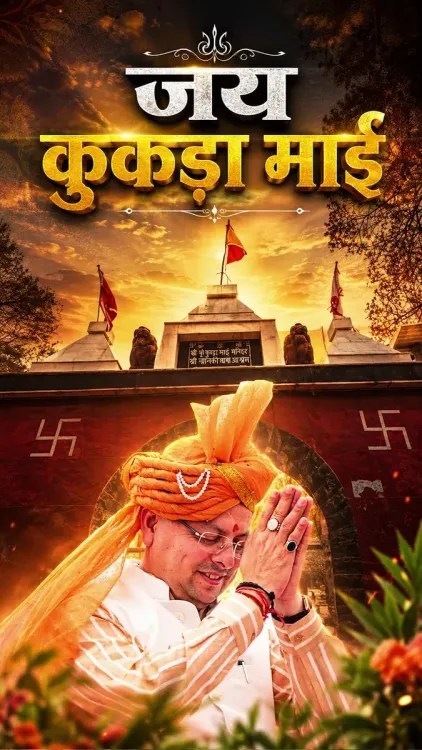
CM Dhami promotes Kukra Mai Temple in Bageshwar
Synopsis
Uttarakhand CM Pushkar Singh Dhami on 12 July 2026 promoted the Kukra Mai Temple in Bageshwar — a forested Himalayan shrine — as a must-visit for pilgrims and trekkers alike, continuing the state's push to spotlight lesser-known spiritual and eco-adventure destinations.
Key Takeaways
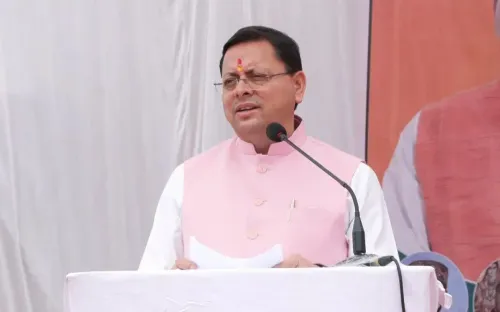
CM Pushkar Singh Dhami highlighted the Kukra Mai Temple in Bageshwar district on 12 July 2026 via a post on X.
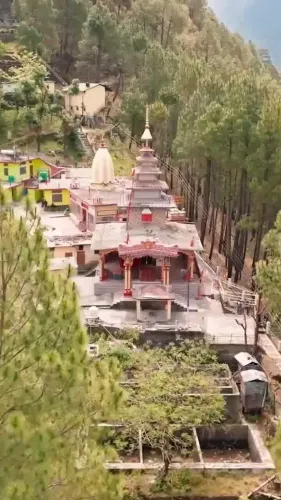
The temple is set amid dense kafal, deodar, and pine forests , offering a tranquil spiritual atmosphere.
The site draws both local pilgrims and tourists from across India , and is noted as a popular trekking destination.
The promotion aligns with Uttarakhand's long-running policy of spotlighting lesser-known temples beyond the main Char Dham circuit.
The post invites visitors to include the shrine in their itinerary on any trip to Bageshwar .
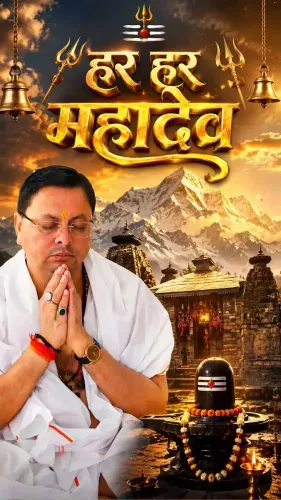
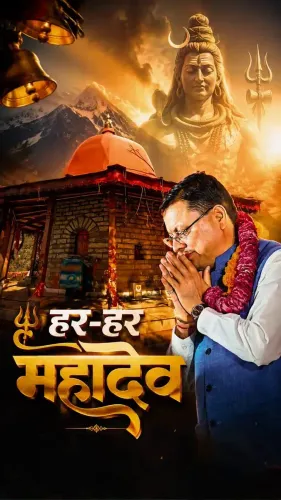
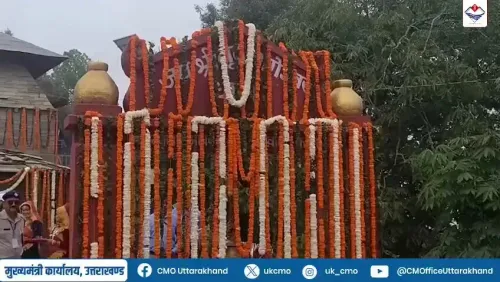
Uttarakhand Chief Minister Pushkar Singh Dhami on Sunday, 12 July 2026, spotlighted the Kukra Mai Temple in Bageshwar district, calling it a rare confluence of faith, nature, and spiritual peace nestled within dense Himalayan forests.
In his post, CM Dhami described the temple as situated amid thick groves of kafal (wild berries), deodar (Himalayan cedar), and cheed (pine) trees, and invited visitors to make a stop at the shrine whenever they travel to Bageshwar. Translating his appeal: 'You too, on your visit to Bageshwar, must seek the blessings of this sacred temple.'
Context
The Kukra Mai Temple sits within the forested highlands of Bageshwar, one of Uttarakhand's Himalayan districts that draws pilgrims as well as trekkers. The temple's setting — surrounded by dense forest and commanding a tranquil atmosphere — has made it a draw for both devout visitors and nature enthusiasts seeking off-beat destinations. CM Dhami noted that the shrine attracts devotees from the local community as well as tourists from across the country.
Policy Backdrop
Uttarakhand, branded as Devbhoomi (Land of the Gods), has for over a decade pursued a strategy of promoting lesser-known religious sites alongside the flagship Char Dham circuit. The intent is to spread tourist footfall beyond the four major pilgrimage towns and generate economic activity in remote districts. CM Dhami's social-media promotion of the Kukra Mai Temple fits squarely within this long-running policy of combining spiritual tourism with eco-adventure offerings.
The state has also positioned trekking as a year-round draw, and the Chief Minister's post explicitly flagged the temple as 'a popular and thrilling destination for trekking enthusiasts' — signalling an effort to attract adventure travellers alongside traditional pilgrims.
Stakeholders and Impact
Local communities in Bageshwar stand to benefit most directly from increased visitor interest, as higher footfall typically supports small hospitality businesses, guides, and transport operators in remote hill areas. Pilgrims seeking quieter alternatives to the crowded Char Dham route represent another key audience for this promotion. Trekking groups, both domestic and from other states, are a third constituency the post actively courts.
Digital outreach of this kind by the Chief Minister's office has become a regular feature of Uttarakhand's tourism communication strategy, amplifying sites that might otherwise receive limited visibility in mainstream travel circuits.
What's Next
Attention will now turn to whether the Uttarakhand Tourism Development Board follows up with formal inclusion of the Kukra Mai Temple in district-level trekking or pilgrimage circuits, or announces improvements to trail access and basic amenities around the site. Sustained promotion of off-beat shrines such as this one could encourage the state to develop a dedicated forest-temple tourism cluster in Bageshwar, reinforcing Uttarakhand's identity as a year-round spiritual and adventure destination.
Point of View
But it reflects a deliberate state strategy to diversify Uttarakhand's pilgrimage economy beyond the Char Dham axis. By explicitly naming trekking enthusiasts alongside devotees, the post signals an effort to broaden the temple's audience and extend the tourism season into non-peak months. This dual framing — spiritual and adventurous — is consistent with how successive Uttarakhand governments have tried to monetise the state's forest-and-faith geography. The real test will be whether administrative follow-through in infrastructure and trail development matches the social-media momentum.
NationPress
10 Oct 2026
Frequently Asked Questions
Where is Kukra Mai Temple located?
The Kukra Mai Temple is located in Bageshwar district of Uttarakhand, set amid dense forests of kafal, deodar, and pine trees in the Himalayas.
Why did CM Dhami post about Kukra Mai Temple?
CM Pushkar Singh Dhami posted about the temple on 12 July 2026 as part of the state's ongoing effort to promote lesser-known spiritual and eco-adventure destinations in Uttarakhand to pilgrims and tourists.
Is Kukra Mai Temple good for trekking?
Yes, CM Dhami described the Kukra Mai Temple as a popular and thrilling destination for trekking enthusiasts, thanks to its forest setting and Himalayan terrain in Bageshwar.
What is Bageshwar known for in Uttarakhand?
Bageshwar is a Himalayan district in Uttarakhand known for its temples, dense forests, and trekking trails, attracting both pilgrims and adventure tourists.
How does Uttarakhand promote off-beat temples?
Uttarakhand has since the mid-2010s used a strategy of spotlighting lesser-known religious sites through government communication and digital outreach to spread tourist footfall beyond the main Char Dham circuit and support remote communities.