CM Dhami flags off 15 waste vehicles in Khatima, 7 electric
Synopsis
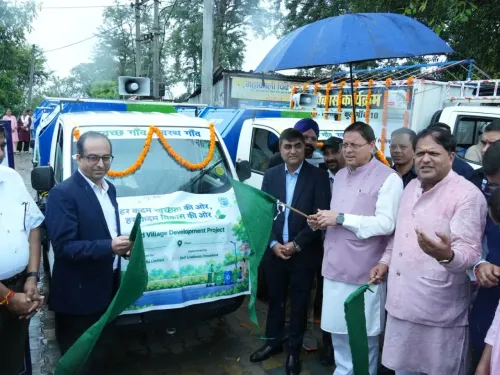
Chief Minister Pushkar Singh Dhami flagged off 15 waste management vehicles in Khatima on 25 September 2026, including 7 electric units from Nestlé India's CSR programme, anchoring Uttarakhand's push for a self-sustaining gram panchayat sanitation model.
Key Takeaways
15 vehicles for solid and liquid waste management were flagged off in Khatima on 25 September 2026 .
7 of the 15 vehicles are electric , provided by Nestlé India under its CSR programme.
Britannia Industries distributed health and nutrition materials at the same event.
CM Pushkar Singh Dhami highlighted a self-sustaining gram panchayat waste model as the cornerstone of the state's sanitation strategy.
The initiative aligns with Swachh Bharat Mission Phase II and the Solid Waste Management Rules 2016 .
Senior district officials and corporate representatives, including Nestlé India's Kunwar Himmat Singh , attended the flagging-off ceremony.
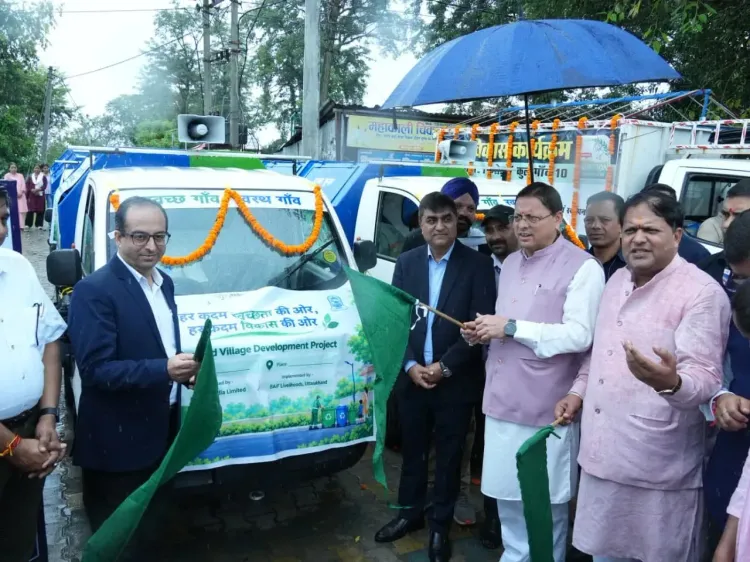
Seven electric garbage trucks rolled out of Khatima on Friday, 25 September 2026 — and the story behind them says as much about where India's sanitation push is heading as it does about one Uttarakhand town. Chief Minister Pushkar Singh Dhami flagged off a fleet of 15 solid and liquid waste management vehicles, including the seven electric collection vehicles supplied by Nestlé India under its CSR programme, marking a visible step in the state's bid to modernise grassroots waste infrastructure.
Nestlé's electric fleet and Britannia's nutrition push
Of the 15 vehicles dispatched, seven electric waste-collection vehicles were contributed by Nestlé India through its corporate social responsibility commitments. The remaining eight are government-deployed units for solid and liquid waste management across the district. Britannia Industries used the occasion to distribute health and nutrition materials — a parallel CSR gesture at the same event. Nestlé India's Corporate Affairs and Sustainability Director, Kunwar Himmat Singh, was present at the flagging-off ceremony, underscoring the company's direct stake in the initiative.
The self-sustaining gram panchayat model at the centre of the plan
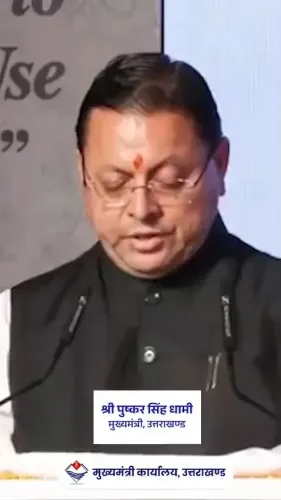
CM Dhami stated that the state government is 'niranter kary kar rahi hai' (continuously working) to strengthen sanitation in both rural and urban areas. The pivot point of his remarks was a self-sustaining model being developed at the gram panchayat level — one designed to make waste collection and disposal financially and operationally independent without persistent state subsidy. He underlined that modern resources, public participation, and corporate sector collaboration are all essential to making solid and liquid waste management work at scale.
Chief Development Officer Divesh Sasni presented a detailed brief on ongoing waste management work across the district. Senior officials present included District Magistrate Nitin Singh Bhadauria, SSP Ajay Ganapati, District Panchayat President Ajay Maurya, Mayor Vikas Sharma, Block Head Reena Gautam, and Additional Secretary to the CM and CSR Member Secretary Manmohan Mainali.
Where Khatima fits in India's broader waste-management arc
Khatima sits in Udham Singh Nagar district, one of Uttarakhand's more industrially active plains districts — making it a logical test-bed for a public-private sanitation model. The event aligns with the objectives of Swachh Bharat Mission Phase II, the national programme that extended the original 2014 campaign to focus specifically on solid and liquid waste management at the village and town level. The Solid Waste Management Rules of 2016 had already mandated segregation and scientific disposal by local bodies; the challenge since has been resourcing and sustaining those systems on the ground.
Indian states have increasingly turned to CSR funding to bridge that gap — and the electric-vehicle angle adds a clean-air dimension to what is traditionally a purely sanitation conversation. If Khatima's gram-panchayat model proves replicable, it offers a blueprint that other Uttarakhand districts — and potentially other hill states — could adopt without waiting for full state-budget allocation.
Point of View
CM Dhami is pitching Uttarakhand's approach as a structural reform rather than a one-off donation event — a distinction that matters for Swachh Bharat Phase II credibility. The electric-vehicle component also lets the state check a clean-mobility box alongside a sanitation one, doubling the political dividend from a single initiative. Whether the model genuinely becomes self-sustaining at the panchayat level, or remains dependent on periodic CSR injections, will be the real test in the months ahead.
NationPress
25 Sept 2026
Frequently Asked Questions
How many vehicles did CM Dhami flag off in Khatima and what type are they?
CM Pushkar Singh Dhami flagged off 15 vehicles for solid and liquid waste management in Khatima on 25 September 2026. Of these, 7 are electric waste collection vehicles donated by Nestlé India under CSR, and the rest are government-deployed waste management units.
What is Nestlé India's role in Uttarakhand's waste management initiative?
Nestlé India provided 7 electric garbage collection vehicles through its corporate social responsibility programme for deployment in Khatima, Uttarakhand. Nestlé's Corporate Affairs and Sustainability Director Kunwar Himmat Singh attended the event.
What is the self-sustaining gram panchayat sanitation model CM Dhami mentioned?
It is a waste collection and disposal model being developed at the gram panchayat level in Uttarakhand that aims to make local sanitation systems operationally and financially independent, reducing dependence on continuous state funding, aligned with Swachh Bharat Mission Phase II goals.
What is Britannia's involvement in the Khatima waste management event?
Britannia Industries distributed health and nutrition-related materials at the Khatima event as part of its own CSR contribution, complementing Nestlé India's vehicle donation.
Where is Khatima and why was this event held there?
Khatima is a town in Udham Singh Nagar district of Uttarakhand. It was the venue for the waste vehicle flagging-off as part of the district's solid and liquid waste management upgrade under the state government's sanitation push.