CM Dhami Hails Agni-4 Missile Test as Defence Milestone
Synopsis
Uttarakhand CM Pushkar Singh Dhami hailed the successful test of DRDO's Agni-4 medium-range ballistic missile from Chandipur, Odisha, calling it a landmark for India's self-reliant defence capabilities under PM Modi's leadership.
Key Takeaways
Agni-4 , India's indigenous medium-range ballistic missile with a range of approximately 4,000 km , was successfully test-fired from the Integrated Test Range, Chandipur, Odisha .
CM Pushkar Singh Dhami congratulated DRDO scientists and researchers, crediting PM Modi's leadership for India's growing defence capabilities.
The Agni-4 was first flight-tested from the same Chandipur range in November 2011 under the Integrated Guided Missile Development Programme.
The test aligns with India's Atmanirbhar Bharat Abhiyan (launched May 2020 ), which targets expanded indigenous defence production and reduced import dependence.
India has sustained a ballistic missile development programme since the 1980s , covering the Agni family alongside BrahMos and Akash systems.
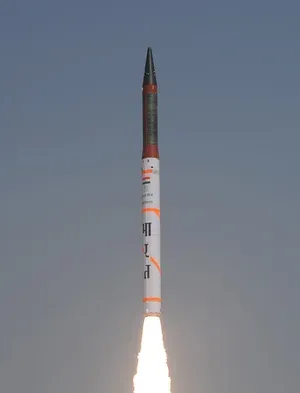
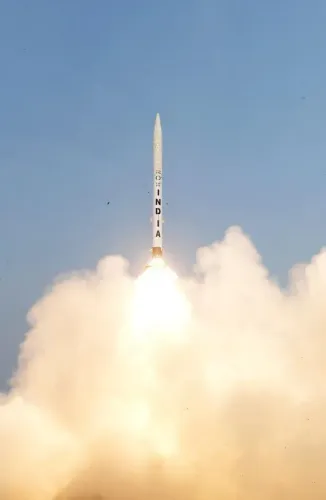
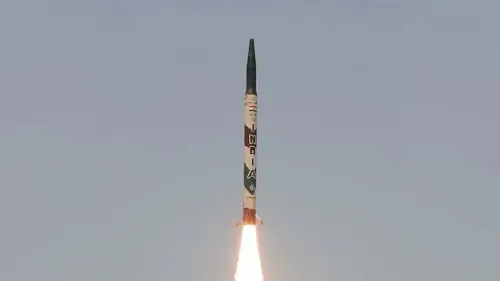
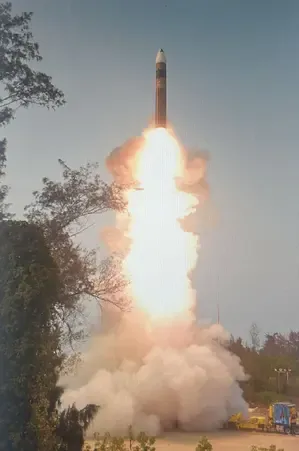
A ballistic missile streaking skyward from the Odisha coast has become the latest symbol of India's push for strategic self-reliance. Uttarakhand Chief Minister Pushkar Singh Dhami on Thursday, August 6, 2026, congratulated DRDO scientists and researchers after the successful test-firing of the medium-range ballistic missile Agni-4 from the Integrated Test Range at Chandipur, Odisha.
Posting in Hindi, CM Dhami said the test was 'an important achievement in the direction of the country's self-reliant defence strength and modern military technology,' crediting the milestone to Prime Minister Narendra Modi's leadership. He extended 'heartfelt congratulations and best wishes' to all DRDO scientists, researchers, and personnel involved.
What Agni-4 Brings to India's Strike Arsenal
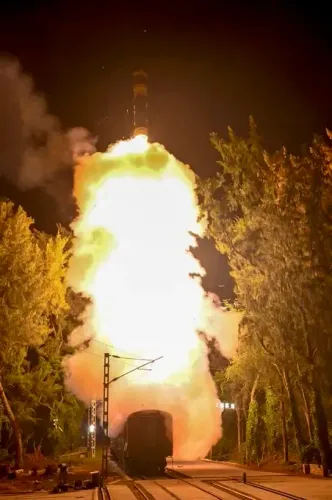
Agni-4 is an indigenously developed missile with a range of approximately 4,000 kilometres, placing it among India's most capable land-based ballistic weapons. Developed under the Defence Research and Development Organisation (DRDO), it forms a critical tier in India's credible minimum deterrence posture — capable of reaching deep into adversarial territory from a mobile launch platform.
The missile has been tested from the same Chandipur Integrated Test Range before, with a landmark flight test recorded as far back as November 2011. Each successive trial refines guidance systems, re-entry vehicle performance, and reliability — the unglamorous but essential work that turns a prototype into a deployable weapon.
Atmanirbhar Bharat and the Long Game in Defence
The test lands squarely within the framework of the Atmanirbhar Bharat Abhiyan, launched in May 2020, which set explicit targets for expanding indigenous defence production and cutting import dependence. India has since accelerated trials across the Agni family of missiles alongside parallel programmes for systems like BrahMos and Akash.
The broader arc is deliberate: India has built its ballistic missile programme steadily since the 1980s under the Integrated Guided Missile Development Programme, and successive governments — irrespective of political stripe — have treated DRDO milestones as non-negotiable strategic priorities. What has changed in recent years is the pace and the political visibility given to each test.
CM Dhami's post is one of several state-level endorsements that typically follow major DRDO achievements — a pattern that reflects how deeply defence indigenisation has been woven into the ruling party's national narrative. The real measure, however, will come when parliamentary updates confirm induction timelines and defence budget allocations for serial production of the Agni-4.
For now, the scientists at Chandipur have delivered. The next question is how fast the missile moves from the test range to the field.
Point of View
And the political endorsements that follow it, illustrate how defence indigenisation has become a bipartisan but BJP-amplified pillar of India's strategic identity. CM Dhami's statement is less about Uttarakhand and more about the ruling party's consistent effort to tie every DRDO milestone to the Atmanirbhar Bharat narrative. The deeper policy question — whether serial induction and budget allocations are keeping pace with test-range successes — remains largely unaddressed in political messaging. Until production timelines are publicly confirmed, these milestones mark capability demonstrations, not yet deployed deterrence.
NationPress
6 Aug 2026
Frequently Asked Questions
What is the Agni-4 missile and what is its range?
Agni-4 is an indigenously developed medium-range ballistic missile built by India's DRDO, with a range of approximately 4,000 kilometres, making it capable of striking deep into adversarial territory from a mobile launcher.
Where was the Agni-4 missile tested?
The Agni-4 was test-fired from the Integrated Test Range located at Chandipur in Odisha, which is India's primary facility for developmental and user trials of ballistic missiles.
Why did CM Pushkar Singh Dhami comment on the Agni-4 test?
Uttarakhand CM Pushkar Singh Dhami posted on X to congratulate DRDO scientists and highlight the test as a milestone in India's self-reliant defence capability under PM Narendra Modi's leadership.
What is the Atmanirbhar Bharat Abhiyan and how does it relate to defence?
Atmanirbhar Bharat Abhiyan, launched in May 2020, is a government initiative that includes specific targets for increasing indigenous defence production and reducing India's dependence on foreign military imports. The Agni-4 test is seen as a direct outcome of this policy push.
Has Agni-4 been tested before?
Yes, Agni-4 was first flight-tested from the same Chandipur Integrated Test Range in November 2011 as part of the Integrated Guided Missile Development Programme. Successive trials have refined its guidance and re-entry systems.