CM Dhami Hails Uttarakhand's Development Milestones
Synopsis
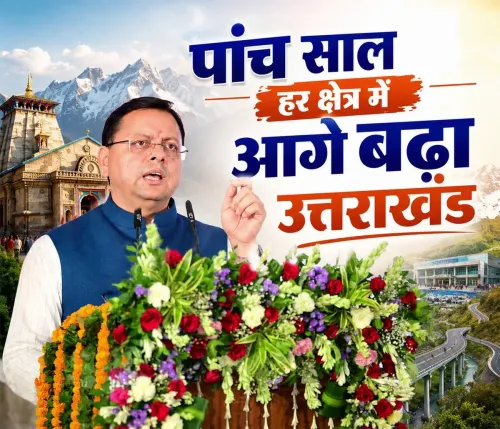
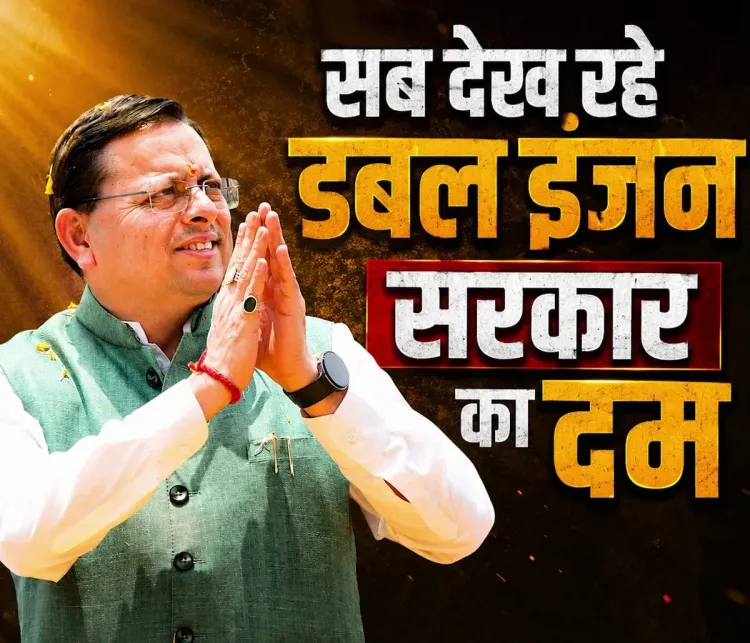
Uttarakhand Chief Minister Pushkar Singh Dhami on 15 July 2026 declared that projects once beyond imagination are now the defining milestones of the state's development, continuing the BJP government's pattern of framing infrastructure delivery as proof of governance progress in the Himalayan state.
Key Takeaways
CM Pushkar Singh Dhami posted on 15 July 2026 highlighting Uttarakhand's development transformation.
He stated that works 'once beyond imagination' are now milestones defining the state's identity .
Uttarakhand was formed in November 2000 as India's 27th state to address decades of developmental neglect in the Himalayan region.
The Char Dham All-Weather Road project, launched post-2017, remains a flagship connectivity initiative under the BJP government.
The state's economy is anchored in tourism, pilgrimage and hydropower , all directly linked to infrastructure quality.
The next state budget and winter assembly session are key moments to watch for fresh development announcements.
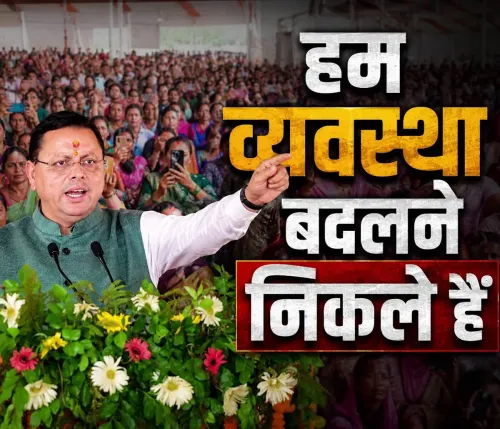
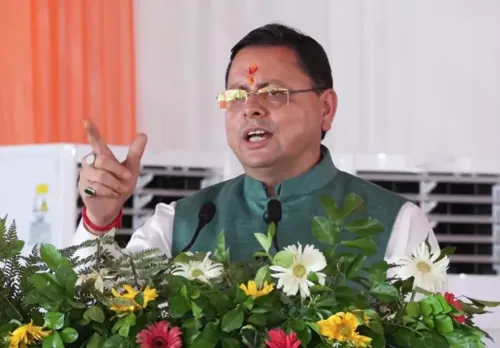
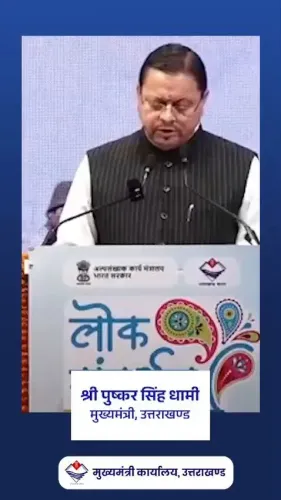
Uttarakhand Chief Minister Pushkar Singh Dhami on Wednesday, 15 July 2026, invoked the state's transformation narrative, declaring that projects once unimaginable are now defining landmarks of Uttarakhand's development journey. The statement, shared on his official X account, was accompanied by a video underscoring the scale of change in the Himalayan state.
In his post, CM Dhami wrote: 'Jin kaaryon ki kabhi kalpana bhi nahin ki jaati thi, aaj wahi Uttarakhand ke vikas ki pehchaan bankar mile ke patthar saabit ho rahe hain' — translated: 'The works that were once beyond imagination are today proving to be the milestones that define Uttarakhand's development.' The remark frames the state's recent infrastructure and governance strides as a decisive break from its pre-statehood era of neglect.
Context
Uttarakhand was carved out as India's 27th state in November 2000 from Uttar Pradesh, with the explicit mandate of accelerating development in a geographically challenging Himalayan region that had long remained underserved. For years, the state's difficult terrain — deep valleys, high-altitude passes, and sparse connectivity — made large-scale infrastructure an aspirational, rather than practical, goal.
CM Dhami, who has led the state since March 2021, has consistently positioned the BJP-led government's tenure as a period of catching up on those long-deferred ambitions. His post on 15 July reflects that continuing political messaging, anchoring the government's identity in visible, on-the-ground delivery.
Policy Backdrop
Among the most consequential projects shaping this narrative is the Char Dham All-Weather Road project, launched after the BJP's return to power in the 2017 assembly elections. The initiative aimed to upgrade connectivity to the four sacred pilgrimage sites — Yamunotri, Gangotri, Kedarnath and Badrinath — which had previously remained inaccessible or dangerous during harsh winters and monsoon seasons.
Beyond road connectivity, the state's economy — centred on tourism, pilgrimage and hydropower — has been a focal point of policy attention. Improved infrastructure has a direct bearing on pilgrim footfall, revenue generation, and the livelihoods of communities across the state's hill districts.
Stakeholders and Impact
The beneficiaries of this development push span a wide cross-section: Uttarakhand's residents who depend on connectivity for access to markets and services, the tourism and hospitality sector that drives a significant share of state revenue, and the millions of pilgrims who visit the state's religious sites each year. Better roads and infrastructure also carry strategic value given the state's long border with Tibet (China) and Nepal.
For the BJP government, translating these gains into a coherent political message ahead of future electoral cycles is equally significant. CM Dhami's post is consistent with a broader pattern of state-level BJP administrations using social media to highlight infrastructure outcomes as proof of governance credibility.
What's Next
Observers will watch the state's next budget presentation and the upcoming winter assembly session for fresh announcements on tourism infrastructure, road projects and urban development in hill districts. CM Dhami's continued emphasis on milestone-framing suggests the government is building a record it intends to take to voters, making the pace and visibility of project completion a key political variable in the months ahead.
Point of View
Where connectivity projects serve simultaneously as governance proof and campaign material. The framing of 'once unimaginable, now achieved' is particularly potent in Uttarakhand, where statehood itself was premised on a promise of development that took years to materialise. Whether the messaging translates into sustained public confidence will depend on the pace and reach of project completion on the ground.
NationPress
15 Jul 2026
Frequently Asked Questions
What did Uttarakhand CM Pushkar Singh Dhami say on 15 July 2026?
CM Dhami declared that development works once considered unimaginable are now proving to be the defining milestones of Uttarakhand's progress, sharing the message on his official X account alongside a video.
What is the Char Dham All-Weather Road project?
The Char Dham All-Weather Road project is a flagship infrastructure initiative launched by the BJP government after 2017 to upgrade road connectivity to Uttarakhand's four major pilgrimage sites — Yamunotri, Gangotri, Kedarnath and Badrinath.
When was Uttarakhand formed and why?
Uttarakhand was established as India's 27th state in November 2000, carved out of Uttar Pradesh to accelerate development in the Himalayan region that had long remained underserved due to its difficult terrain.
Who is Pushkar Singh Dhami?
Pushkar Singh Dhami is the Chief Minister of Uttarakhand and a BJP leader who has held the post since March 2021, focusing on infrastructure, tourism connectivity and administrative reforms in the state.
What are the key sectors driving Uttarakhand's economy?
Uttarakhand's economy is primarily centred on tourism, religious pilgrimage and hydropower, all of which are closely linked to the quality of road and infrastructure connectivity across the hill state.