CM Dhami Hits Back at Congress, Cites 34,000 Govt Jobs in Uttarakhand
Synopsis
Uttarakhand CM Pushkar Singh Dhami hit back at Congress on 21 July 2026, claiming his government jailed over 100 paper-leak accused and appointed more than 34,000 youth to government posts in five years through a transparent, merit-based recruitment process.
Key Takeaways
CM Pushkar Singh Dhami publicly rebutted Congress leaders on 21 July 2026 , accusing them of spreading misinformation during a visit to Uttarakhand .
The government claims more than 100 accused individuals linked to examination fraud ('nakal mafias') have been jailed under its anti-cheating crackdown.
A strict anti-cheating law has been enacted in Uttarakhand to prosecute paper-leak offences and restore integrity to state competitive examinations.
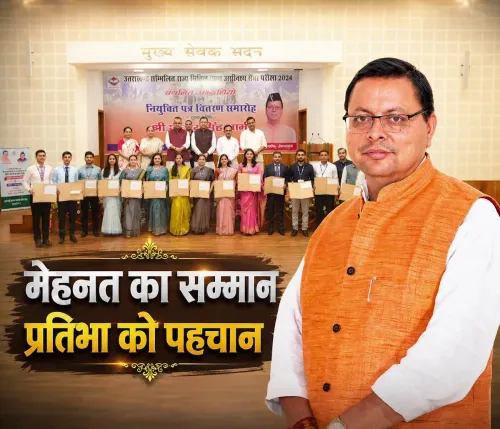
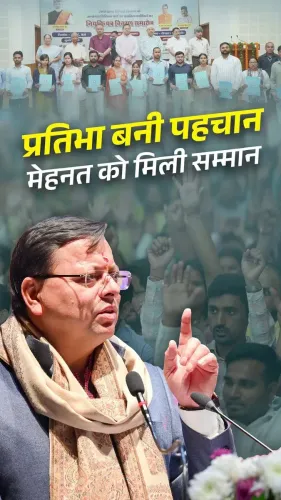
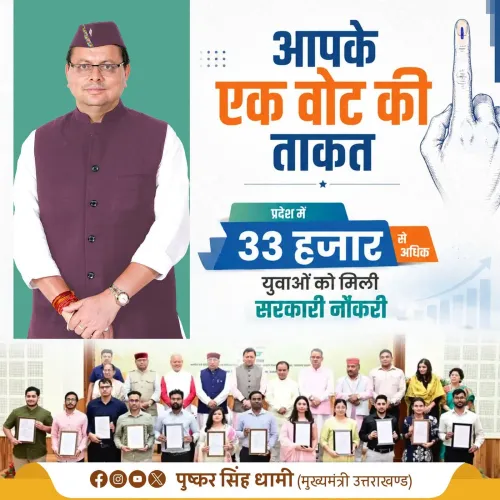
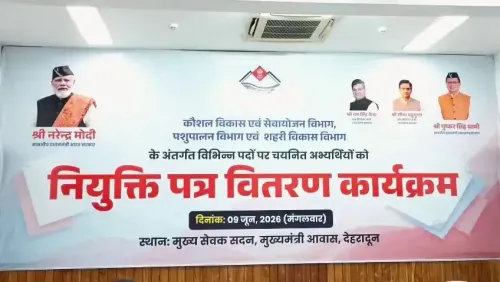
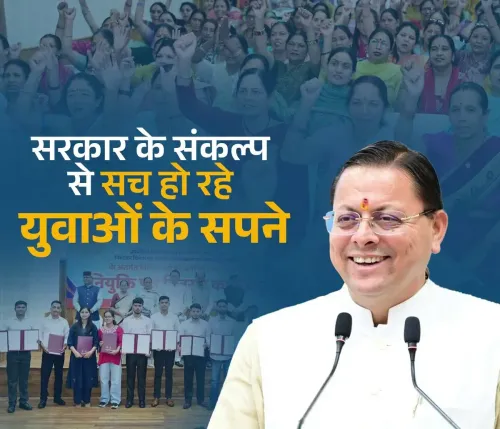
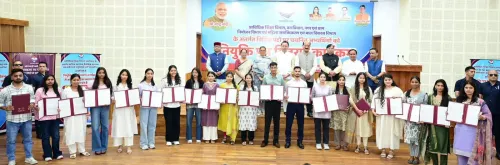
Over 34,000 youth have reportedly been appointed to government jobs in the past five years , according to the state government's claims.
The BJP government frames these appointments as fully transparent and impartial, positioning the record as a direct counter to opposition criticism.
Independent verification of the recruitment and arrest figures has not yet been established from public records.
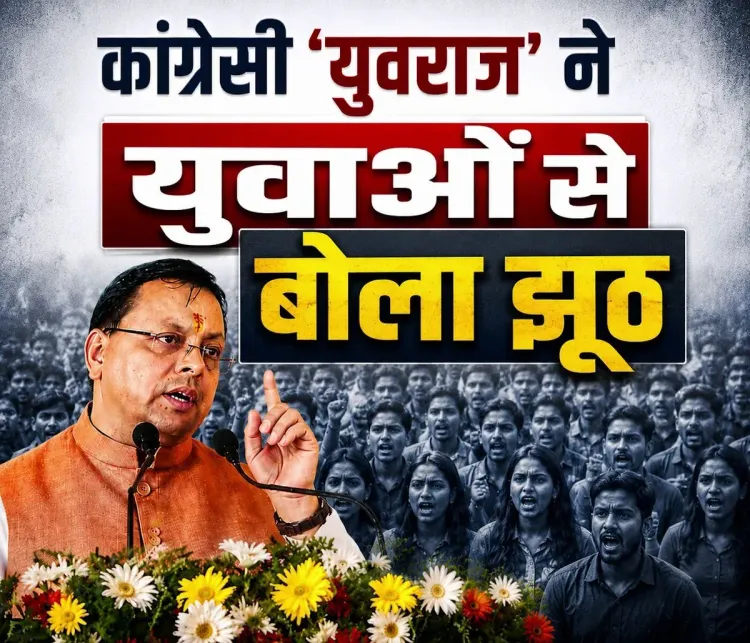
Uttarakhand Chief Minister Pushkar Singh Dhami on Tuesday, 21 July 2026, sharply rebutted the opposition Congress party, accusing its leaders of spreading falsehoods during a visit to the state. In a post on X, Dhami countered criticism by citing his government's recruitment record — claiming that over 34,000 youth have been appointed to government jobs in the past five years through what he described as a fully transparent and impartial process.
Context
The Chief Minister's post was a direct response to what he called the 'Congress ke yuvaraj' (the Crown Prince of Congress) — a phrase widely used in BJP political discourse to refer to Rahul Gandhi — visiting Uttarakhand and allegedly spreading 'lies and confusion' (jhooth aur bhram) about the state's governance record. Dhami argued that the ground reality contradicts the opposition's narrative.
Translated from Hindi, Dhami's post reads: 'The Crown Prince of Congress is coming to Uttarakhand and spreading lies and confusion, whereas the reality is something else entirely.' He went on to list specific actions taken by his administration as evidence of effective governance.
Policy Backdrop
Since Dhami assumed office in 2021, his administration has made recruitment reform a centrepiece of its governance agenda. The government introduced a stringent anti-cheating law targeting irregularities in state competitive examinations, and claims to have sent more than 100 accused individuals — described as part of 'paper leak mafias' (nakal mafia) — to jail.
The crackdown follows a pattern seen across several BJP-governed states, where anti-cheating legislation and arrests in examination fraud cases have been used to signal a commitment to merit-based public hiring. For Uttarakhand, a state where government employment is a primary aspiration for a large share of the youth population, the credibility of recruitment drives carries significant political weight.
The anti-cheating law, once enacted, created a legal framework for prosecuting those involved in question-paper leaks and impersonation — offences that had previously undermined confidence in state-level examinations.
Stakeholders and Impact
The primary beneficiaries cited by Dhami are the state's government job aspirants — a demographic that has historically been vocal about irregularities in competitive examinations. His claim of 34,000-plus appointments over five years, if borne out by official records, would represent a substantial throughput for a Himalayan state of Uttarakhand's size.
For the Congress party, the exchange underscores the political difficulty of gaining traction on governance critiques in states where the ruling party can point to measurable — if contested — administrative outcomes. Youth unemployment and examination integrity remain live issues that both parties are competing to own ahead of future electoral cycles.
Civil society groups and job aspirants' associations in the state have previously demanded independent audits of recruitment data, making the statistical claims a potential flashpoint for further scrutiny.
What's Next
The political sparring is likely to intensify if Congress leaders continue their outreach in Uttarakhand, with the BJP expected to counter each statement with its own governance data. Official audits or assembly-floor questions on the 34,000 appointments figure and the implementation of the anti-cheating law could either validate or challenge the government's narrative in the weeks ahead.
Independent verification of recruitment numbers and arrest tallies will be key to determining whether Dhami's claims hold up to legislative and public scrutiny — and whether the anti-cheating framework has durably changed outcomes for Uttarakhand's young job seekers.
Point of View
The ruling party floods the information space with administrative data points to shift the narrative from criticism to performance. The invocation of the 'yuvaraj' label signals that the BJP sees this as a national-profile confrontation, not merely a state-level dispute. The 34,000-jobs figure, if independently audited, could become a durable political asset for the party in a state where youth employment anxiety runs deep. However, the absence of third-party verification keeps the claim in contested territory, which the Congress is likely to exploit.
NationPress
21 Jul 2026
Frequently Asked Questions
How many government jobs has the Uttarakhand government given in the last 5 years?
The Uttarakhand government, led by CM Pushkar Singh Dhami, claims to have appointed more than 34,000 youth to government posts over the past five years through a transparent recruitment process. These figures have not yet been independently verified from public records.
What is the anti-cheating law in Uttarakhand?
Uttarakhand enacted a strict anti-cheating law to combat irregularities in state competitive examinations, including question-paper leaks and impersonation. The law provides a legal framework for prosecuting those involved in examination fraud.
Why did CM Dhami criticise Congress on 21 July 2026?
CM Dhami posted on X on 21 July 2026 to rebut Congress leaders who visited Uttarakhand and, according to him, spread 'lies and confusion' about the state's governance. He cited recruitment numbers and anti-cheating actions as evidence of his government's actual performance.
Who is the 'yuvaraj' of Congress that Dhami referred to?
'Yuvaraj' (Crown Prince) is a term frequently used in BJP political discourse to refer to Congress leader Rahul Gandhi. Dhami used this phrase in his 21 July 2026 post to describe the Congress figure he accused of visiting Uttarakhand to spread misinformation.
How many people were arrested in Uttarakhand paper leak cases?
The Uttarakhand government claims that more than 100 accused individuals linked to examination fraud and paper-leak networks have been sent to jail as part of its anti-cheating crackdown. Independent verification of this figure is not yet available from established public records.