CM Dhami Holds Public Outreach in Sahaspur, Dehradun
Synopsis
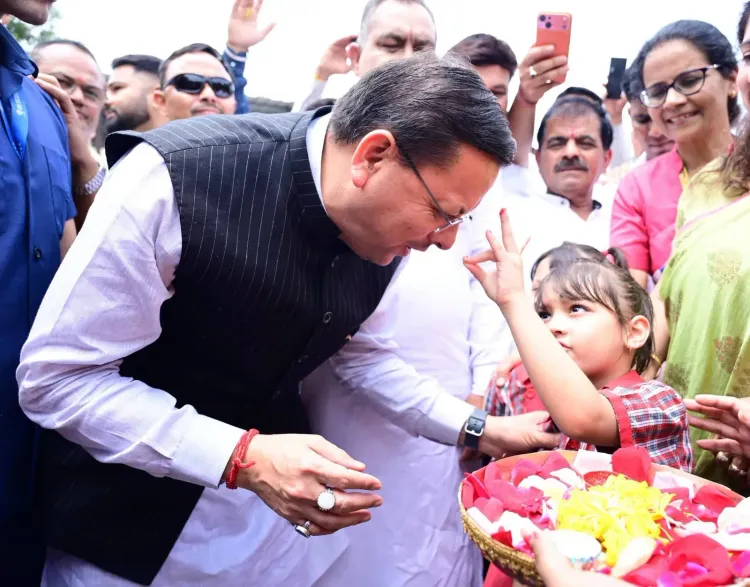
Uttarakhand Chief Minister Pushkar Singh Dhami held a citizen outreach session in Sahaspur, Dehradun on 11 July 2026 under the 'Seva, Sushasan, Samarpan' programme, personally hearing public grievances and directing officials to ensure swift, time-bound resolution of all cases.
Key Takeaways
Chief Minister Pushkar Singh Dhami conducted a public interaction session in Sahaspur, Dehradun on 11 July 2026 .
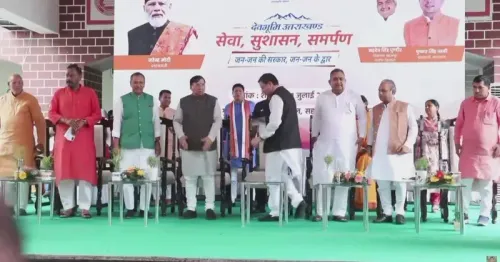
The event was held under the 'Seva, Sushasan, Samarpan: Jan-Jan Ki Sarkar, Jan-Jan Ke Dwar' citizen outreach programme.
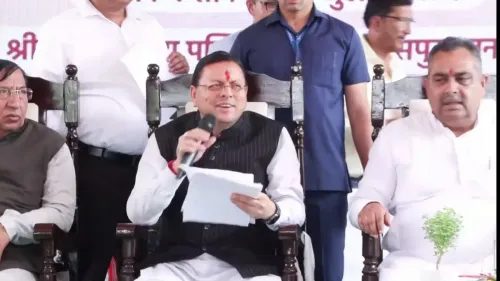
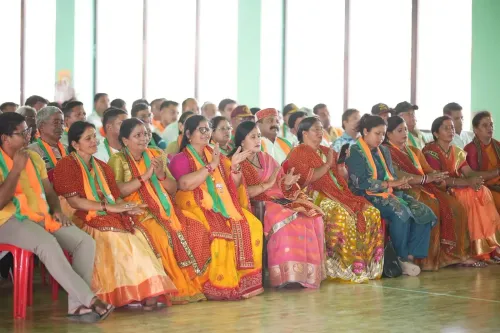
Dhami personally heard grievances from residents drawn from multiple areas in an aatmiya samvaad (empathetic dialogue) format.
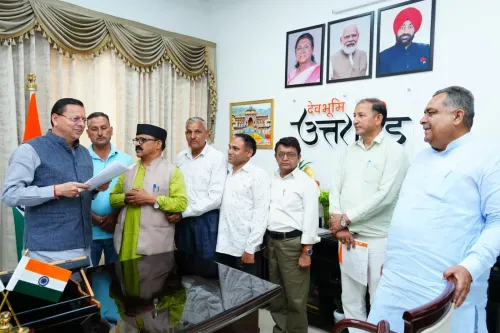
Officials were directed to ensure swift, quality-driven, and time-bound resolution of all cases raised at the session.
The programme continues a Janata Darbar -style governance format the Dhami government institutionalised after 2022 .
Grievance disposal rates in the coming weeks will be the key indicator of the session's on-ground impact.
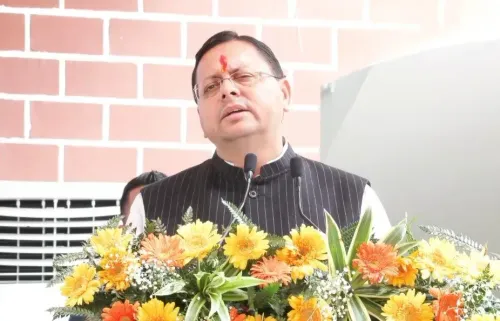
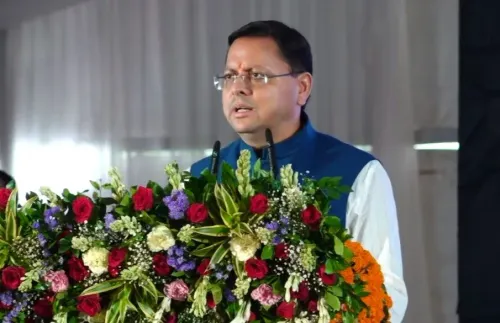
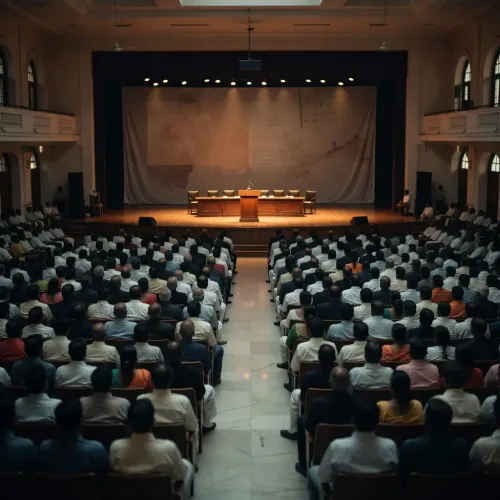
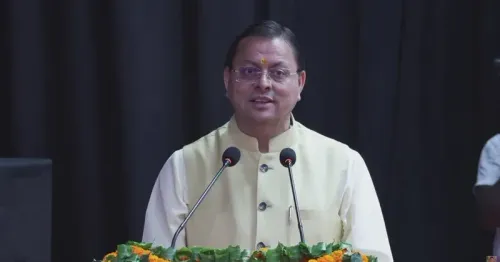
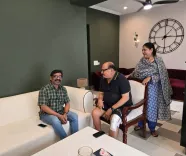
Uttarakhand Chief Minister Pushkar Singh Dhami on Saturday, 11 July 2026, held a direct public interaction session at Sahaspur, Dehradun under the state's citizen outreach programme 'Seva, Sushasan, Samarpan: Jan-Jan Ki Sarkar, Jan-Jan Ke Dwar' — broadly translated as 'Service, Good Governance, Dedication: A Government for Every Person, at Every Doorstep'. The Chief Minister personally heard grievances from residents drawn from multiple areas and directed concerned officials to ensure swift, quality-driven, and time-bound resolution of all cases raised.
Context
The Sahaspur event is part of a structured outreach format the Dhami government has institutionalised since returning to office after the 2022 Uttarakhand assembly elections. The programme title — 'Jan-Jan Ki Sarkar, Jan-Jan Ke Dwar' — signals a deliberate positioning of the administration as accessible and people-first. Sahaspur is a town in Dehradun district, the state's administrative capital region, making it a high-visibility venue for such exercises.
Chief Minister Dhami personally engaged in what the post describes as 'aatmiya samvaad' — an empathetic, heartfelt dialogue — with citizens, underscoring that the session was not a routine file-clearing exercise but a direct interface between the head of government and ordinary residents.
Policy Backdrop
The Dhami government introduced district-level public hearing formats modelled on the Janata Darbar tradition shortly after assuming office in March 2021. These sessions are designed to cut through bureaucratic layers and deliver grievance redressal at the district and block level. The broader 'Seva, Sushasan, Samarpan' programme formalises this approach under a single branded umbrella, linking it to the BJP's national governance narrative of responsive administration.
Similar district-level outreach formats have been deployed in other BJP-governed states since 2017, establishing a recognisable template: a senior leader presides, citizens present grievances in person, and officials receive on-the-spot directives with accountability for follow-through.
Stakeholders and Impact
The primary beneficiaries of the Sahaspur session are local residents of Dehradun district who brought forward pending issues spanning, typically, land records, public works, welfare entitlements, and local infrastructure. By directing officials in a public setting, Chief Minister Dhami creates a degree of official accountability that a written complaint alone does not generate.
District administration officials were directly instructed to deliver time-bound and quality-assured resolutions — a formulation that sets an explicit performance standard rather than a general assurance. For residents, the value lies in the visibility their grievances receive when escalated to the Chief Minister's level in a single sitting.
What's Next
The key measure of the programme's effectiveness will be the grievance disposal rate in the weeks following the 11 July session. If the Dhami administration follows through on its stated commitment to time-bound resolution, district-level follow-up reports are expected to reflect closure of cases raised at Sahaspur. Expansion of the 'Seva, Sushasan, Samarpan' format to additional blocks and districts across Uttarakhand in the coming months would signal that the government intends to scale the model beyond headline-generating appearances into a sustained administrative mechanism.
Point of View
Sushasan, Samarpan' session in Sahaspur is consistent with a broader BJP playbook of institutionalising direct public hearings as a visible governance signal, particularly ahead of electoral cycles. For Chief Minister Dhami, who has worked to consolidate his administrative image since narrowly retaining power in 2022, such events serve a dual purpose: they generate constituent goodwill and create a paper trail of official accountability. The critical variable, however, is follow-through — whether the directives issued in a public setting translate into measurable grievance closure or remain symbolic gestures. If disposal rates are tracked and published, the programme could genuinely differentiate Uttarakhand's administration; if not, it risks becoming a recurring photo opportunity.
NationPress
11 Jul 2026
Frequently Asked Questions
What is the 'Seva, Sushasan, Samarpan' programme in Uttarakhand?
'Seva, Sushasan, Samarpan' is a citizen outreach initiative by the Uttarakhand government under Chief Minister Pushkar Singh Dhami, designed to facilitate direct dialogue between the Chief Minister and residents, enabling on-the-spot grievance redressal and accountability directives to officials.
What happened at the Sahaspur Dehradun event on 11 July 2026?
Chief Minister Pushkar Singh Dhami held a public interaction session in Sahaspur, Dehradun, personally hearing grievances from residents of multiple areas and directing officials to resolve all cases in a swift, quality-assured, and time-bound manner.
Where is Sahaspur located?
Sahaspur is a town in Dehradun district, Uttarakhand, situated in the administrative capital region of the state.
What does 'Jan-Jan Ki Sarkar, Jan-Jan Ke Dwar' mean?
The phrase translates from Hindi as 'A Government for Every Person, at Every Doorstep,' reflecting the stated aim of making the Uttarakhand administration directly accessible to ordinary citizens across the state.
How does this programme compare to similar initiatives in other states?
The format mirrors Janata Darbar-style public hearings used in other BJP-governed states since 2017, where senior leaders personally preside over grievance sessions to project responsive governance and reduce bureaucratic delays.