CM Dhami Consults Intellectuals on Viksit Uttarakhand Goals
Synopsis
Uttarakhand CM Pushkar Singh Dhami convened a dialogue with intellectuals on 14 June 2026, gathering sectoral suggestions on education, health, tourism, and agriculture while briefing participants on the state's Uniform Civil Code, anti-cheating law, transparent recruitment, and women's empowerment initiatives.
Key Takeaways
CM Pushkar Singh Dhami held a dialogue with intellectuals on 14 June 2026 focused on the Viksit Bharat and Viksit Uttarakhand vision.
Suggestions were received on education, health, tourism, agriculture, industry , and social development.
Participants were briefed on Uttarakhand's Uniform Civil Code , passed by the state assembly in February 2024 — a first for any Indian state post-independence.
The state's anti-cheating law (2023) and transparent recruitment processes were highlighted as key governance achievements.
Women's empowerment and infrastructure development were also featured as priority areas in the briefing.
The phased rollout of UCC rules and a review of the anti-cheating law are anticipated in Uttarakhand's assembly sessions later in 2026 .
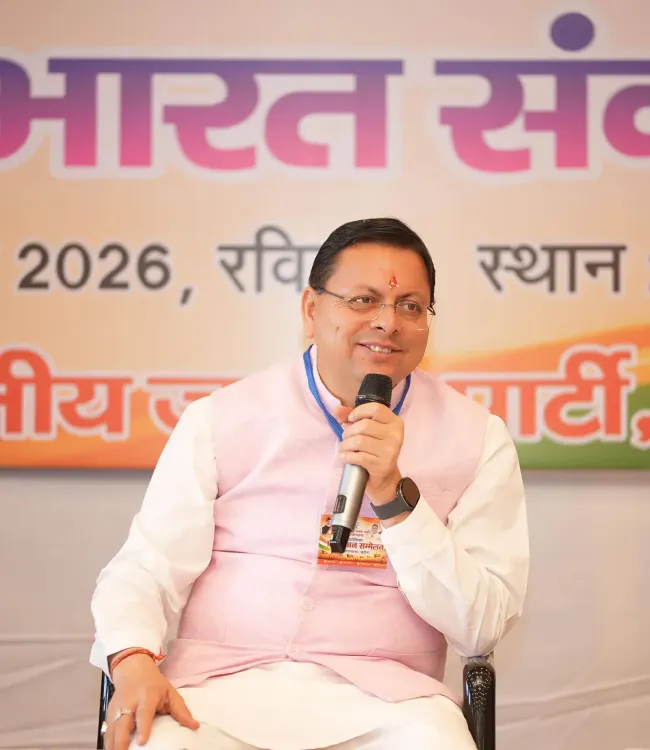
Uttarakhand Chief Minister Pushkar Singh Dhami on Sunday, 14 June 2026 held a dialogue with intellectuals and eminent citizens to seek inputs on realising the twin visions of Viksit Bharat and Viksit Uttarakhand, sharing updates on key governance reforms including the state's landmark Uniform Civil Code and its stringent anti-cheating law.
Context
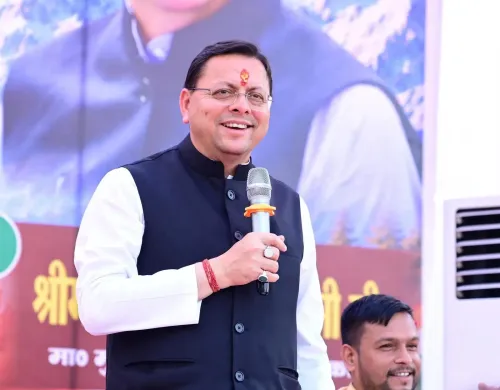
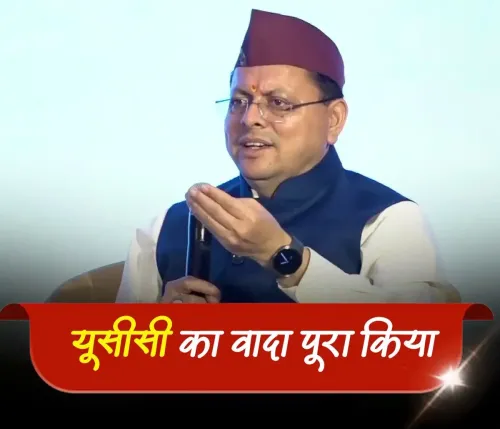
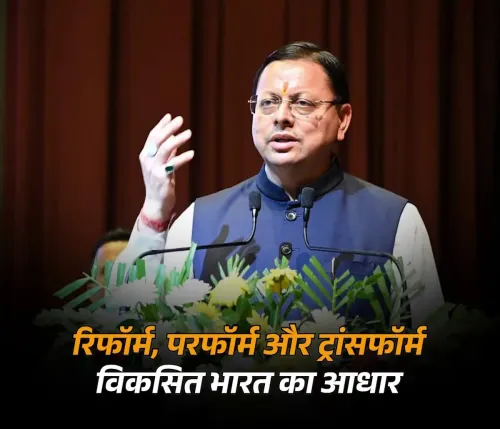
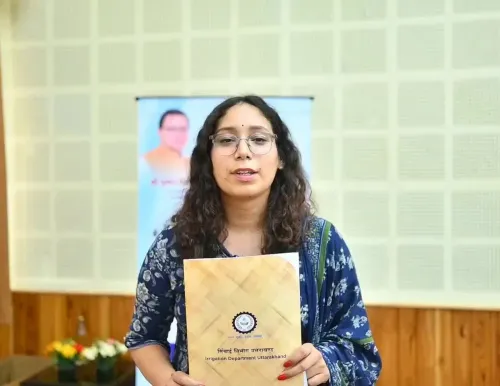
Posting on X, CM Dhami said the dialogue — samvad [consultation] — focused on the role of the prabuddha varg [enlightened/intellectual class] in translating the resolve of a developed India and a developed Uttarakhand into reality. Suggestions were received on a wide spectrum of subjects: education, health, tourism, agriculture, industry, social development, and public welfare. The post was accompanied by three images from the event.
The Chief Minister stated that participants were also briefed on ongoing work in areas of the Uniform Civil Code (UCC), the state's anti-cheating law, transparent recruitment processes, women's empowerment, and infrastructure development across Uttarakhand.
Policy Backdrop
The Viksit Bharat vision was announced by Prime Minister Narendra Modi as a national target to make India a fully developed nation by 2047. The Viksit Bharat Sankalp Yatra, launched nationally in 2023, has been used by BJP-governed states to publicise central and state welfare schemes at the grassroots level.
Uttarakhand holds a distinctive place in India's policy landscape: the state's Legislative Assembly passed the Uniform Civil Code Bill in February 2024, making it the first Indian state since independence to enact such a law, applying common personal laws across religious communities. The state also notified a strict anti-cheating law in 2023, targeting organised malpractices and paper leaks in public examinations and recruitment tests — a reform that has since been studied by other states.
Stakeholders and Impact
The dialogue directly concerns Uttarakhand's residents across sectors — students and job aspirants stand to benefit from transparent recruitment frameworks, while women's groups have been a key focus through schemes aligned with the national Beti Bachao Beti Padhao framework active since 2015. Farmers, tourism entrepreneurs, and industrial investors are among those whose sectoral suggestions were reportedly received at the event.
The UCC, once its implementation rules are fully notified, will affect personal law matters — including marriage, divorce, and inheritance — for all residents of the state regardless of religious affiliation, a policy with significant social and legal implications for Uttarakhand's diverse communities.
What's Next
The phased rollout of UCC rules and the first annual review of the anti-cheating law are expected to come up in state assembly sessions later in 2026. The feedback gathered from intellectuals in this dialogue is likely to inform the state government's planning priorities across education, health, and infrastructure in the near term. Uttarakhand's simultaneous pursuit of social uniformity measures and economic development targets continues to position the state as a testing ground for BJP's broader governance agenda ahead of future electoral cycles.
Point of View
The BJP-led government is attempting to broaden ownership of politically sensitive measures like the UCC beyond its core base. Uttarakhand's role as a policy laboratory for the national BJP — on anti-cheating legislation, uniform civil code, and transparent recruitment — means outcomes here will be watched closely by other state governments. The structured outreach also reflects a pattern of pre-emptive consultation that the state has used to soften opposition to landmark legislation.
NationPress
14 Sept 2026
Frequently Asked Questions
What is the Viksit Uttarakhand vision CM Dhami discussed?
Viksit Uttarakhand is the state-level counterpart to Prime Minister Modi's Viksit Bharat goal of making India a fully developed nation by 2047, focusing on growth in education, health, tourism, agriculture, industry, and infrastructure within Uttarakhand.
What is Uttarakhand's Uniform Civil Code?
The Uttarakhand Uniform Civil Code, passed by the state assembly in February 2024, applies common personal laws on matters such as marriage, divorce, and inheritance to all residents regardless of religion, making Uttarakhand the first Indian state to enact such a law after independence.
What is Uttarakhand's anti-cheating law?
Uttarakhand notified a stringent anti-cheating law in 2023 to penalise organised malpractices, paper leaks, and fraud in public examinations and government recruitment tests, aimed at ensuring fair and transparent hiring.
Who did CM Dhami consult in this dialogue?
CM Dhami held the dialogue with members of the intellectual and eminent citizens' community — referred to as the prabuddha varg — to gather suggestions on development priorities across sectors including education, health, tourism, and social welfare.
What happens next with Uttarakhand's UCC and anti-cheating law?
The phased rollout of UCC implementation rules and the first annual review of the anti-cheating law are both expected to be taken up in Uttarakhand's state assembly sessions later in 2026.