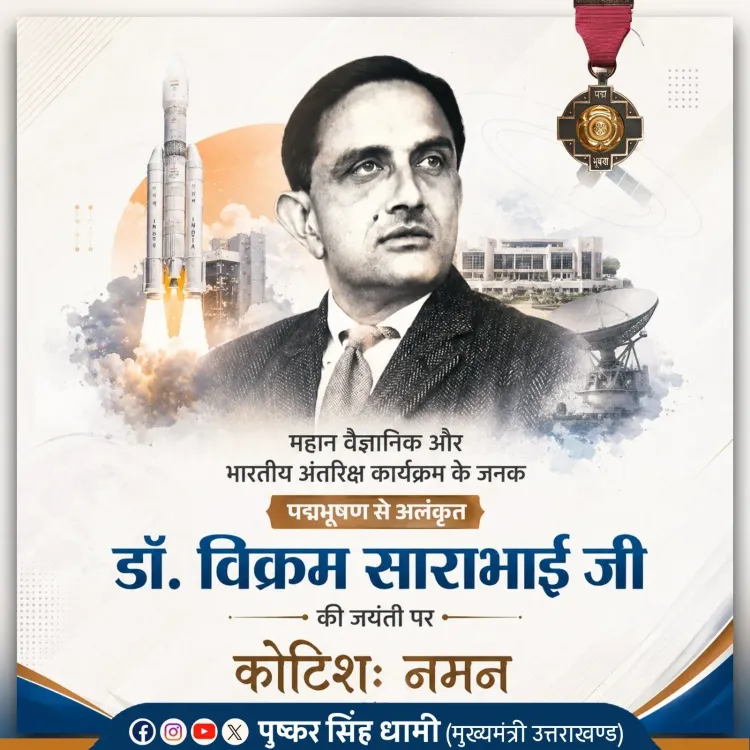
CM Dhami pays tribute to Dr. Vikram Sarabhai on birth anniversary
Synopsis
Uttarakhand Chief Minister Pushkar Singh Dhami marked the birth anniversary of Dr. Vikram Sarabhai on 12 August, honouring the physicist who founded ISRO in 1969 and the Physical Research Laboratory in 1947 as an inspiration for India's young scientists.
Key Takeaways
CM Pushkar Singh Dhami paid tribute to Dr.
Vikram Sarabhai on his birth anniversary, 12 August .
Dhami called Sarabhai's contributions to science and research the 'strong cornerstone of India's scientific progress' .
Vikram Sarabhai founded the Physical Research Laboratory in 1947 and ISRO in 1969 .
Sarabhai is widely regarded as the father of India's space programme.
The tribute specifically invoked young scientists and researchers as the intended audience for Sarabhai's enduring example.
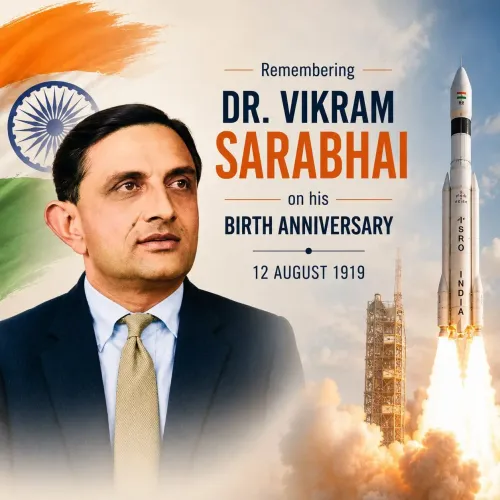
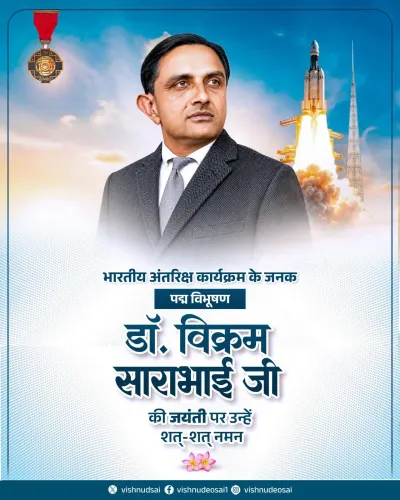
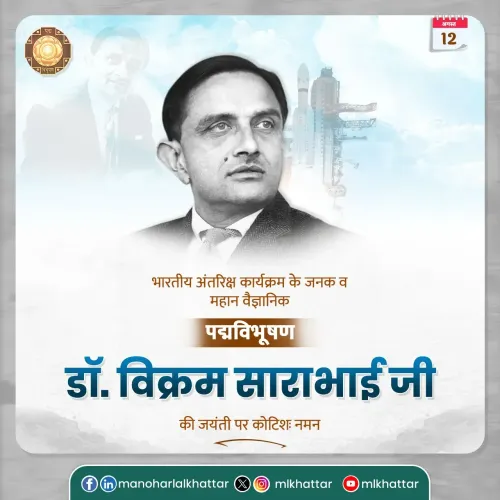
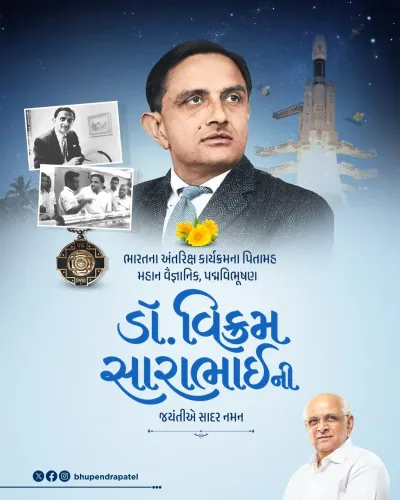
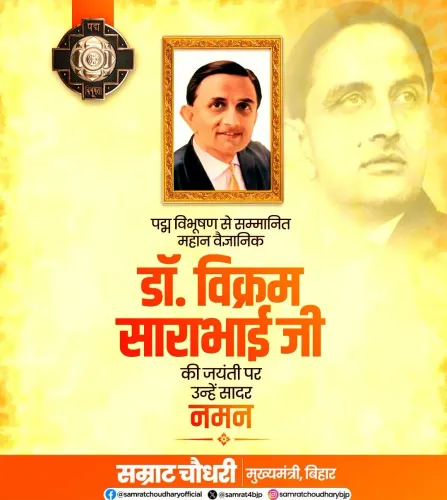
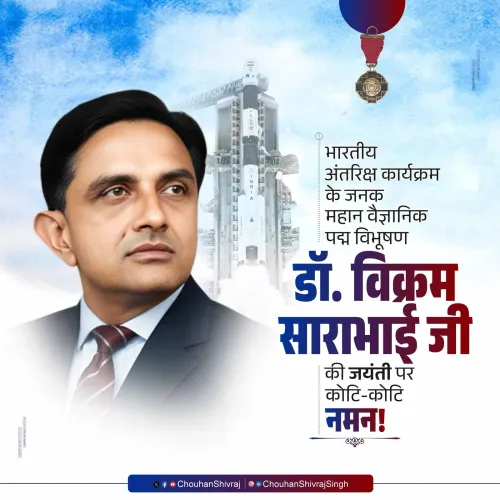
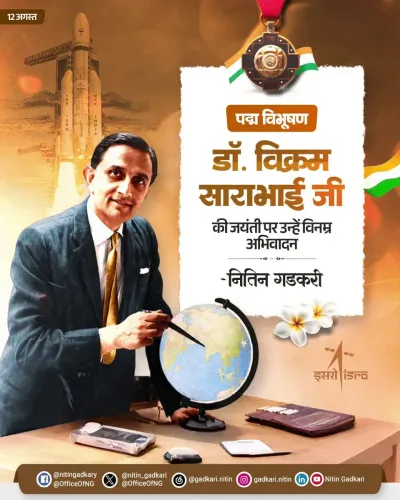
On the birth anniversary of the man who put India in space, Uttarakhand Chief Minister Pushkar Singh Dhami on Wednesday, 12 August paid solemn tribute to Dr. Vikram Sarabhai, honouring the physicist whose vision laid the foundation of India's space age.
In his post, CM Dhami wrote: 'Bhartiya antariksh karyakram ko nayi disha aur unchaaiyon tak pahunchane wale mahan vaigyanik' — 'the great scientist who gave India's space programme a new direction and took it to new heights.' He described Sarabhai's contributions to science and research as 'the strong cornerstone of India's scientific progress', and called his innovation, foresight, and scientific thinking an enduring source of inspiration for the country's young scientists and researchers.
The man who built India's launchpad
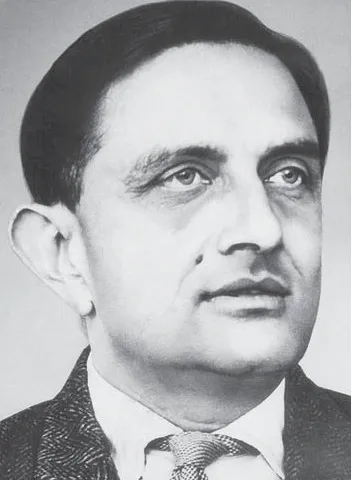
Dr. Vikram Sarabhai was born on 12 August 1919 in Ahmedabad. A physicist and astronomer trained at Cambridge, he founded the Physical Research Laboratory (PRL) in 1947 — the same year India gained independence — and went on to establish the Indian Space Research Organisation (ISRO) in 1969. His conviction that space technology could solve real problems for a developing nation shaped the entire philosophy of India's civilian space programme.
Sarabhai's legacy is not merely institutional. He championed the idea that space was not a luxury for rich nations but a practical tool — for weather forecasting, communications, and remote sensing in a country as vast and diverse as India. That founding logic still drives ISRO's mission today.
A national ritual of remembrance
Tributes from political leaders on 12 August have become a fixture of India's public calendar, cutting across party lines. The practice reflects a broader national effort to keep the memory of early scientific pioneers alive — and to signal, especially to young Indians, that indigenous research and technology are sources of civilisational pride. CM Dhami's message specifically addressed young scientists and researchers, framing Sarabhai's example as a living challenge rather than a historical footnote.
Point of View
Invoking Sarabhai — a figure associated with Nehruvian institution-building — also reflects the party's strategic effort to claim ownership of India's entire post-independence scientific legacy. The emphasis on 'young scientists and researchers' is consistent with a broader government push to position ISRO's recent successes, from Chandrayaan to Gaganyaan, as proof that Sarabhai's founding vision remains actionable policy.
NationPress
26 Sept 2026
Frequently Asked Questions
Why is 12 August significant for India's space programme?
12 August is the birth anniversary of Dr. Vikram Sarabhai , born in 1919 , who is regarded as the father of India's space programme. He founded ISRO in 1969 and the Physical Research Laboratory in 1947 .
What did CM Dhami say about Vikram Sarabhai?
CM Pushkar Singh Dhami described Sarabhai's contributions as the 'strong cornerstone of India's scientific progress' and called his innovation and foresight an inspiration for the country's young scientists and researchers.
Who was Dr. Vikram Sarabhai?
Dr. Vikram Sarabhai was a physicist and astronomer who established the Physical Research Laboratory in 1947 and founded ISRO in 1969 . He is universally recognised as the architect of India's civilian space programme.
When did Vikram Sarabhai establish ISRO?
ISRO was established in 1969 under the leadership of Dr. Vikram Sarabhai , who had already founded the Physical Research Laboratory in 1947 .
Why do Indian politicians tribute Vikram Sarabhai every year?
Marking Sarabhai's birth anniversary on 12 August has become a national tradition across party lines, reflecting India's effort to honour early scientific pioneers and reinforce the value of indigenous research and space technology.