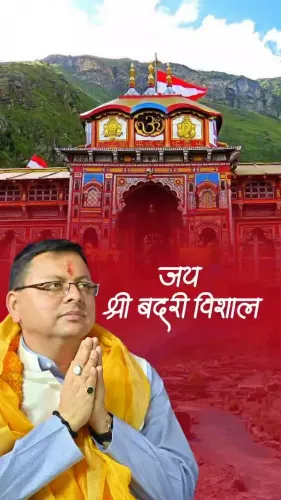
CM Dhami Invites Pilgrims to Joshimath's Narsingh Temple
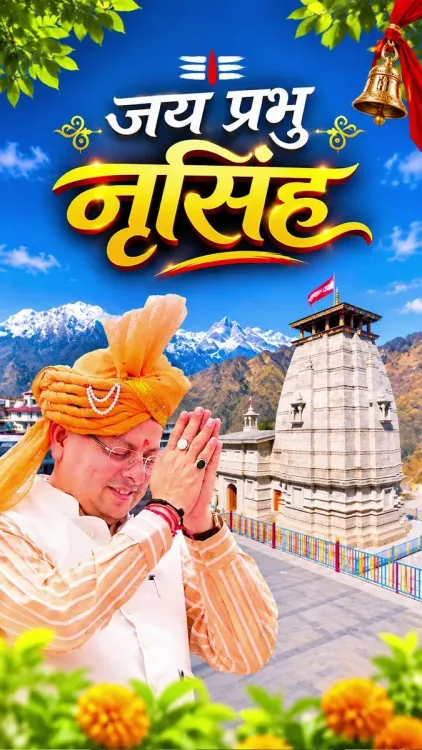
Synopsis
Uttarakhand CM Pushkar Singh Dhami spotlights the ancient Shri Narsingh Temple in Joshimath on X, calling it a sacred winter pilgrimage destination tied to Badrinath's winter worship traditions and urging devotees to visit during the ongoing winter yatra season.
Key Takeaways
CM Pushkar Singh Dhami posted on 18 November 2026 promoting the Shri Narsingh Temple in Joshimath (Jyotirmath) , Chamoli district.
The temple is dedicated to Lord Narasimha , the man-lion avatar of Vishnu, and is noted for its distinct architectural style.
Joshimath serves as the winter seat of Badrinath Dham worship when the main high-altitude shrine closes each winter.
The town is also one of the four Shankaracharya mathas , giving it independent theological significance.
The post is part of a broader state effort to promote Uttarakhand's winter pilgrimage circuit and spread tourist footfall across seasons.
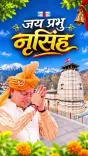
When the high-altitude shrines of Uttarakhand shut their doors to winter snow, the ancient town of Joshimath quietly steps forward — and Uttarakhand Chief Minister Pushkar Singh Dhami is making sure the country knows it. On Wednesday, 18 November 2026, Dhami took to X to spotlight the Shri Narsingh Temple in Jyotirmath (Joshimath), Chamoli district, inviting devotees to seek spiritual solace at the shrine during the ongoing winter pilgrimage season.
A temple where winter devotion never pauses
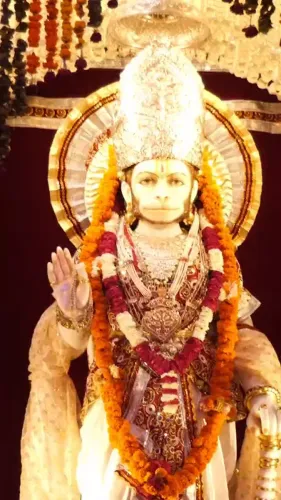
Dedicated to Lord Narasimha — the fierce man-lion avatar of Bhagwan Shri Hari Vishnu — the Narsingh Temple is far older than the tourist maps suggest. Its distinctive architectural style sets it apart in a region already dense with sacred architecture. But its deepest significance may lie in a centuries-old tradition: when the gates of Badrinath Dham, one of the four Char Dham sites, close each winter, the presiding deity's worship is ceremonially relocated to Joshimath, with the Narsingh Temple at the centre of that living ritual continuity.
Dhami's post, written in Hindi, frames the temple as 'ek paavan teerthasthal' — a sacred pilgrimage destination — and urges visitors to experience 'aadhyatmik shaanti evam punya ki anubhooti' (spiritual peace and the feeling of merit) during the Devbhoomi Uttarakhand winter yatra. The phrasing is deliberate: 'Devbhoomi', meaning 'Land of the Gods', is the official tourism identity Uttarakhand wears year-round.
Joshimath: more than a Badrinath waiting room
Joshimath carries its own theological weight, independent of the Char Dham traffic it channels. It is one of the four mathas established by the philosopher-saint Adi Shankaracharya, making it a cardinal point in the Hindu monastic geography of India. The town sits at roughly 6,000 feet in the Garhwal Himalayas, accessible year-round unlike the higher shrines, which gives it a structural advantage as a winter pilgrimage anchor.
Uttarakhand governments have consistently backed the winter relocation of Badrinath rituals to Joshimath as part of preserving Char Dham customs — a policy alignment that predates Dhami's tenure but which his administration has amplified through active social media promotion of off-season sites. The logic is straightforward: spread pilgrim footfall beyond the summer rush, support Chamoli district's economy through the lean months, and deepen the state's identity as a year-round spiritual destination.
The winter yatra push gains momentum
Dhami's post arrives as state tourism authorities prepare winter yatra arrangements across Uttarakhand. The chief minister has regularly used his official X account to highlight temples, ghats, and spiritual circuits that might otherwise sit in the shadow of the high-profile Char Dham route. The Narsingh Temple, ancient and architecturally striking but lesser covered in mainstream pilgrimage itineraries, fits that pattern precisely.
For the pilgrim already in the hills — or planning a winter break in the mountains — Joshimath now carries a formal chief ministerial endorsement. That is not nothing in a state where the government's spiritual branding has become a live part of its tourism strategy.
The snow will keep Badrinath sealed for months yet. But in Joshimath, the lamps are lit, the rituals continue, and according to Uttarakhand's chief minister, the doors are very much open.
Point of View
Reducing dependence on the brief summer Char Dham window. Joshimath is an astute choice — it has genuine theological depth (a Shankaracharya math, the winter seat of Badrinath) that lends credibility to the promotion. The post also fits a wider BJP pattern of positioning Himalayan Hindu heritage as a living, year-round identity rather than a seasonal spectacle. Watch for corresponding infrastructure or connectivity announcements from the state tourism department in the weeks ahead.
NationPress
18 Nov 2026
Frequently Asked Questions
Where is the Shri Narsingh Temple located?
The Shri Narsingh Temple is located in Joshimath (Jyotirmath) in Chamoli district , Uttarakhand, in the Garhwal Himalayan region.
What is the significance of the Narsingh Temple in Joshimath?
The temple is dedicated to Lord Narasimha , the man-lion avatar of Vishnu. It holds special importance as the site where Badrinath Dham's winter worship rituals are conducted after the main Badrinath shrine closes for the winter season.
Why is Joshimath important for Badrinath pilgrims in winter?
Joshimath serves as the winter seat of Badrinath Dham . When the high-altitude Badrinath temple closes due to snowfall each winter, the presiding deity's rituals are ceremonially relocated to Joshimath, keeping the worship tradition unbroken.
What is Jyotirmath and why is it significant?
Jyotirmath (Joshimath) is one of the four mathas established by the philosopher-saint Adi Shankaracharya , making it one of the most important monastic centres in Hinduism, independent of its Char Dham connections.
Can you visit the Narsingh Temple in winter?
Yes. Unlike the high-altitude Char Dham shrines that close in winter, Joshimath remains accessible year-round. CM Dhami specifically encouraged pilgrims to visit the Narsingh Temple during the winter yatra season.