Trump seeks $50.1 billion FAA overhaul after US flight shutdown
Synopsis
A five-hour nationwide US flight shutdown on 13 November — traced to a router failure at an L3Harris facility in Florida — has triggered a $50.1 billion aviation overhaul request from the Trump administration, the largest in decades. Investigators still cannot explain why the device failed, the FBI is involved, and Senate Democrats are demanding answers before a single new router goes live.
Key Takeaways
The Trump administration has requested $50.1 billion from Congress for aviation overhaul following the 13 November US flight shutdown.
The package includes $10.1 billion for air traffic control modernisation, $10 billion for airport and terminal grants, $10 billion for a hub terminal reconstruction programme, and $20 billion for regional centres and towers.
Up to five consolidated regional control centres would replace 22 existing facilities , the newest built in 1969 .
The root cause of the L3Harris facility malfunction in Florida has not yet been established; national security agencies say it was not a hack.
The FAA has paused Juniper router installations and disabled relevant functionality on more than 60 existing routers as a precaution.
13 Senate Democrats led by Senator Maria Cantwell have demanded a joint technical briefing by 23 November .
The Trump administration has formally requested $50.1 billion from Congress to overhaul air traffic control systems and airport infrastructure across the United States, even as the Federal Aviation Administration (FAA) paused new installations of routers linked to the 13 November nationwide flight shutdown. The funding request, submitted on Tuesday, marks the most ambitious aviation modernisation push in decades and comes amid an ongoing investigation into the telecommunications failure that grounded thousands of flights.
What the $50.1 Billion Package Covers
Of the total, $10.1 billion would fund air traffic control modernisation — including $7.2 billion for a common automation platform and controller workstations, $2 billion for cloud computing and telecommunications upgrades, $600 million for traffic-flow technology, and $300 million for consolidation of terminal air traffic control facilities.
A further $10 billion would be split equally between airport improvement and passenger-terminal grants. A separate $10 billion pilot programme would replace, modernise, or reconstruct ageing terminals at selected hub airports. The remaining $20 billion would be divided between new regional control centres and control towers.
Notably, this request is in addition to the $12.5 billion Congress already provided in July 2025, bringing the cumulative aviation modernisation commitment to over $62 billion if approved.
Who Sent the Request and What They Are Proposing
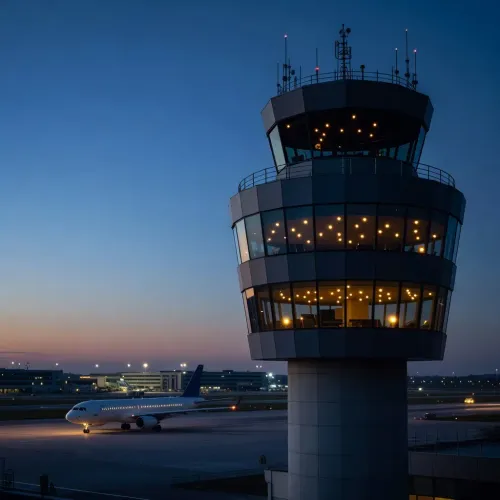
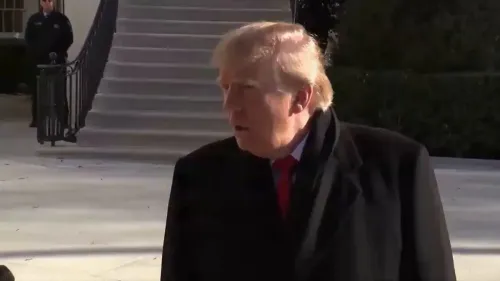
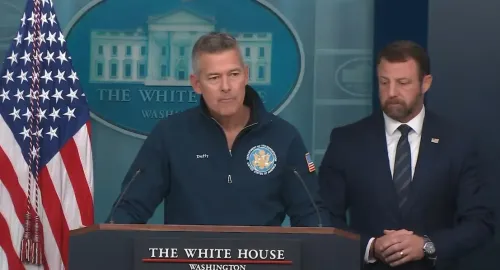
Transportation Secretary Sean Duffy, FAA Administrator Bryan Bedford, and White House budget director Russ Vought jointly submitted the request to the leaders of the House and Senate appropriations committees on Tuesday. The proposal envisions up to five consolidated regional air traffic control centres, which would replace facilities in the existing network of 22 regional centres — the newest of which was built in 1969. Construction or improvements are also proposed at as many as 140 FAA-owned control towers.
The package is a funding request requiring congressional approval and is not yet an approved spending programme.
The 13 November Ground Stop: What Happened
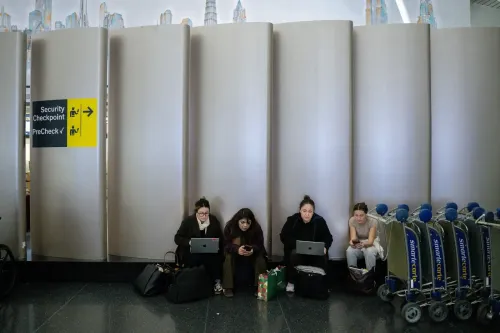
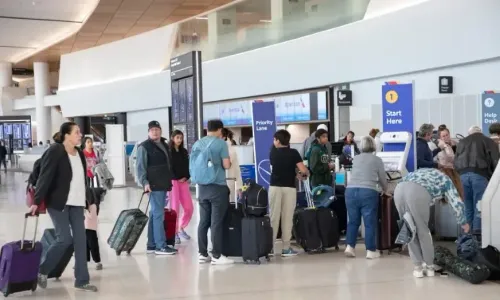
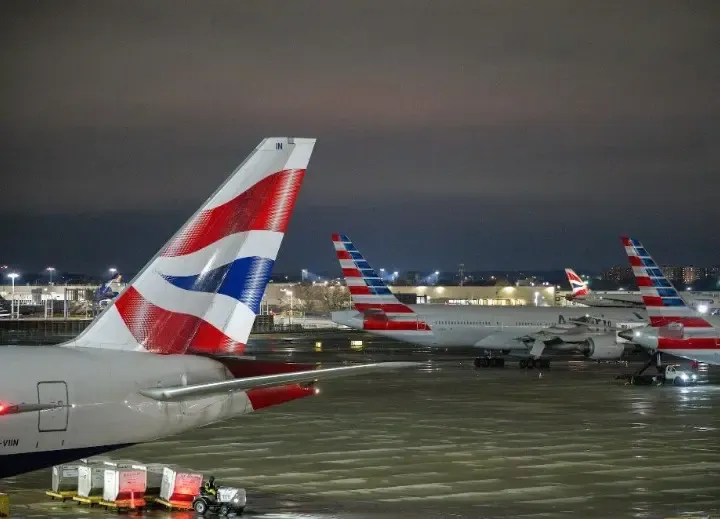
The nationwide ground stop began at approximately 3:30 pm Eastern Time on Friday, 13 November, following a telecommunications failure. Air traffic resumed at 8:15 pm. About 3,500 aircraft already airborne landed safely, according to the FAA.
Investigators are still examining the failure. Secretary Duffy said Tuesday that investigators had reproduced the malfunction at an L3Harris facility in Florida but had not established its underlying cause. 'We've been able to recreate what happened in El Dorado, but the root cause of what happened, we don't have clarity yet,' he said.
Duffy confirmed that FAA personnel, technology companies, and the FBI were participating in the examination. National security agencies have reportedly told him the incident was not a hack. As a precaution, the FAA has paused installation of Juniper routers and disabled the relevant functionality on more than 60 other routers already in service.
Congressional Pushback and Democratic Scrutiny
Democrats on the Senate Commerce Committee demanded an explanation of both the failure and the increased funding request. In a letter dated 16 November and released Tuesday, 13 senators led by Senator Maria Cantwell of Washington sought a joint technical briefing involving the FAA, L3Harris, and Juniper by 23 November.
The senators argued that identifying a malfunctioning device did not establish why it failed. They called for stronger operational testing, independent validation, and demonstrated backup and recovery procedures before additional routers were deployed. They also pointed out that the administration had sought approximately $30 billion just days earlier — raising questions about the basis for the revised, higher figure.
'Modernisation cannot come at the expense of operational safety,' the senators wrote in their letter.
What Comes Next
The funding request now moves to Congressional appropriations committees for review. The timeline for approval remains uncertain given the scale of the ask and the unresolved questions about the root cause of the November outage. The FAA's technical briefing with Senate Democrats, if granted, is due by 23 November, and investigators are expected to publish preliminary findings on the telecommunications failure in the coming weeks.
Point of View
Even as officials publicly downplay that possibility.
NationPress
18 Nov 2026
Frequently Asked Questions
What caused the 13 November US flight shutdown?
A telecommunications failure at an L3Harris facility in Florida triggered a nationwide ground stop on 13 November starting at approximately 3:30 pm Eastern Time . Investigators have reproduced the malfunction but have not yet established its root cause; national security agencies have reportedly told officials it was not a hack.
What does the Trump administration's $50.1 billion aviation package cover?
The package includes $10.1 billion for air traffic control modernisation, $10 billion for airport and terminal improvement grants, a separate $10 billion hub-terminal reconstruction programme, and $20 billion for up to five new consolidated regional control centres and improvements at up to 140 FAA-owned towers . It requires congressional approval and is not yet an enacted spending programme.
Why are Senate Democrats pushing back on the funding request?
Thirteen Senate Democrats led by Senator Maria Cantwell question the basis for the revised figure, noting the administration sought roughly $30 billion just days earlier. They argue that identifying a faulty device does not explain why it failed, and are demanding a joint technical briefing with the FAA, L3Harris, and Juniper by 23 November before further routers are deployed.
What action has the FAA taken on Juniper routers?
As a precaution, the FAA has paused new installations of Juniper routers and disabled the relevant functionality on more than 60 routers already in service. The move is pending a fuller investigation into the role the hardware played in the 13 November outage.
How does this request relate to previous aviation funding?
The $50.1 billion request is in addition to $12.5 billion Congress already provided in July 2025 , bringing the total potential aviation modernisation commitment to over $62 billion if approved. The regional control centres it would fund would replace a network of 22 facilities, the most recent of which dates to 1969 .