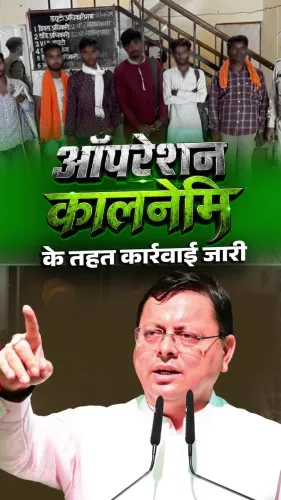
CM Dhami Launches 'Operation Kalanemi' Against Religious Fraudsters
Synopsis
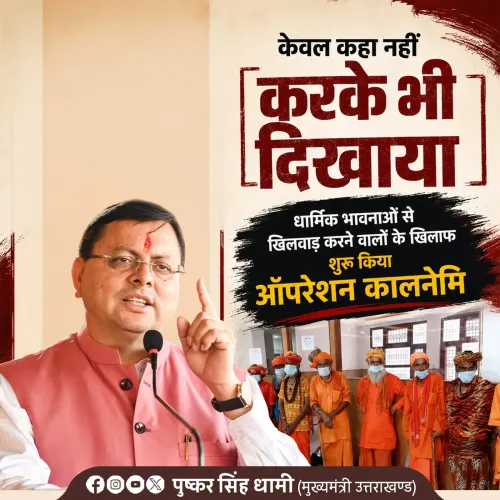
Uttarakhand Chief Minister Pushkar Singh Dhami has announced 'Operation Kalanemi', a state-led crackdown on charlatans and impostors accused of defaming Sanatan faith and exploiting religious sentiments. The operation's name invokes Hindu mythology to signal its intent against those masquerading as spiritual figures.
Key Takeaways
CM Pushkar Singh Dhami announced 'Operation Kalanemi' on June 21, 2026 , targeting religious fraudsters in Uttarakhand .
The operation aims to act against pakhandis and dhongis — charlatans accused of defaming Sanatan faith and exploiting devotees' religious sentiments.
The operation's name is drawn from Hindu mythology, referencing a demon who disguised himself as a saint to harm devotees.
Uttarakhand hosts major pilgrimage sites including the Char Dham circuit, making it particularly vulnerable to organised exploitation of pilgrims.
The drive follows a pattern of similar police-led operations in BJP -governed states including Uttar Pradesh and Madhya Pradesh .
Court proceedings and official police reports are awaited to assess the scale and legal standing of the operation.
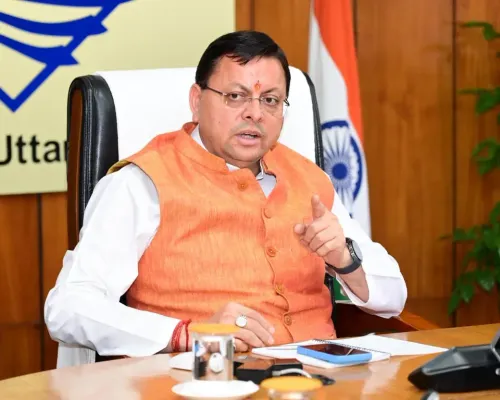
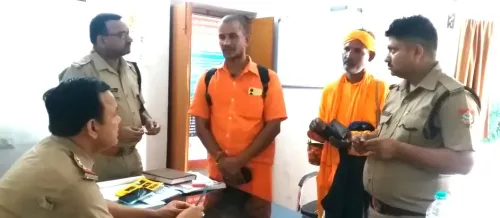
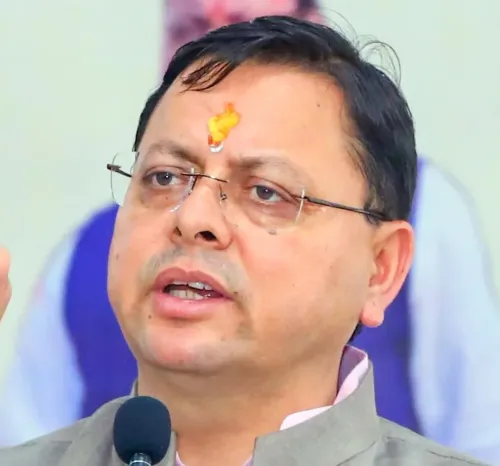
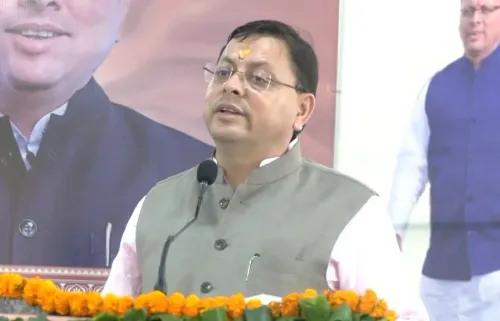
Uttarakhand Chief Minister Pushkar Singh Dhami announced on Sunday, June 21, 2026 that his government has launched 'Operation Kalanemi' — a decisive crackdown targeting impostors and elements accused of defaming Sanatan (Hindu) faith and exploiting religious sentiments for personal gain.
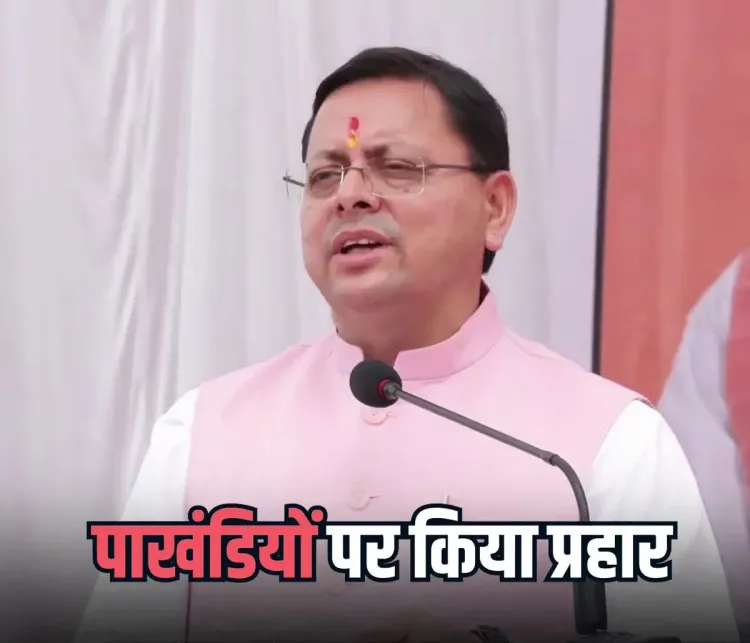
In his post, CM Dhami stated that through 'Operation Kalanemi', the government has delivered a 'decisive blow' (nirnayak prahar) against pakhandis (charlatans), dhongi (impostors), and those who misuse religious emotions — individuals he characterised as bringing disrepute to Sanatan belief systems.
Context
Uttarakhand is home to some of India's most revered Hindu pilgrimage destinations, including the Char Dham circuit — comprising Kedarnath, Badrinath, Gangotri, and Yamunotri. Millions of devotees visit the state annually, making it a significant site for both genuine religious practice and, authorities allege, organised exploitation of pilgrims by fraudulent operators posing as saints or religious guides.
The operation's name — Kalanemi — is drawn from Hindu mythology, referring to a demon who disguised himself as a saint to deceive and harm devotees, making the nomenclature a pointed signal about the government's framing of the accused.
Policy Backdrop
Uttarakhand has maintained a legislative focus on protecting religious communities from exploitation. In 2018, the state enacted amendments to its Freedom of Religion Act, specifically targeting forced conversions and the misuse of religious platforms for coercive or fraudulent purposes.
The current operation fits a broader pattern seen across BJP-governed states. Similar police-led drives against individuals accused of running organised crime networks under spiritual cover have been conducted in Uttar Pradesh and Madhya Pradesh. These actions are consistently framed by state governments as protective measures for Sanatan cultural symbols and the integrity of religious institutions.
Stakeholders and Impact
The primary stakeholders are Hindu devotees — particularly the lakhs of pilgrims who undertake the Char Dham Yatra each season — and the state's established religious institutions, which have long called for action against unregulated individuals exploiting pilgrimage infrastructure. Genuine dharmacharyas (religious teachers) and temple trusts stand to benefit from a cleaner regulatory environment if the operation achieves its stated aims.
Critics and civil liberties observers are likely to scrutinise how the operation defines 'defamation of faith' in practice, and whether due process is followed in identifying and prosecuting those detained. Court proceedings against individuals named under the operation will be a key test of its legal grounding.
What's Next
Follow-up police reports and official government releases are expected to detail the number of individuals apprehended, the specific charges filed, and the districts covered under 'Operation Kalanemi'. Legal observers will watch whether the cases hold up in Uttarakhand courts, and whether the state government extends similar drives to other pilgrimage corridors ahead of peak yatra season. CM Dhami's announcement signals that law-and-order action tied to religious identity is likely to remain a prominent governance theme in the state in the months ahead.
Point of View
The government signals its intent not merely as a crime drive but as a defence of Sanatan heritage, reinforcing the BJP's core voter base among devout Hindus ahead of future electoral cycles. The operation mirrors comparable drives in Uttar Pradesh and Madhya Pradesh, suggesting a coordinated state-level strategy rather than an isolated local initiative. Its long-term credibility will depend on transparent prosecutions and judicial outcomes, which will determine whether it is remembered as substantive governance or political signalling.
NationPress
19 Sept 2026
Frequently Asked Questions
What is Operation Kalanemi in Uttarakhand?
Operation Kalanemi is a government-led crackdown announced by Uttarakhand Chief Minister Pushkar Singh Dhami targeting individuals accused of defaming Sanatan faith, posing as religious figures, and exploiting devotees' religious sentiments for personal gain.
Why is the operation called Kalanemi?
The name Kalanemi comes from Hindu mythology, where Kalanemi is a demon who disguised himself as a saint to deceive and harm devotees — a reference the government used to describe those it accuses of masquerading as spiritual figures.
Which state launched Operation Kalanemi?
Uttarakhand , under Chief Minister Pushkar Singh Dhami , launched Operation Kalanemi as announced on June 21, 2026 .
What is the BJP government's stance on religious fraud in Uttarakhand?
The BJP government in Uttarakhand has consistently taken legislative and law-enforcement steps against religious exploitation, including amendments to the state's Freedom of Religion Act in 2018 and now Operation Kalanemi .
Has any other BJP state run a similar operation against religious fraudsters?
Yes. Similar police-led drives against organised networks operating under spiritual cover have been conducted in Uttar Pradesh and Madhya Pradesh , reflecting a broader pattern in BJP -governed states.