CM Dhami marks Kedarnath closure, cites record Char Dham footfall
Synopsis
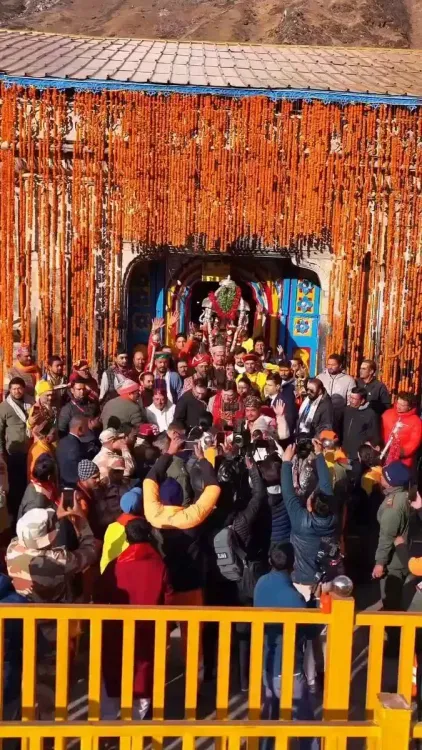
Kedarnath Dham shut its portals for winter on 11 November 2026 as CM Pushkar Singh Dhami declared the 2026 Char Dham Yatra broke all previous pilgrimage attendance records, crediting improved infrastructure and the state-centre 'double engine' government.
Key Takeaways
Kedarnath Dham closed its portals for the winter season on 11 November 2026 following traditional Vedic rites.
CM Pushkar Singh Dhami announced the 2026 Char Dham Yatra recorded the highest-ever pilgrim footfall in the circuit's history.
Dhami credited temple priests, security personnel, and the BJP's 'double engine government' under PM Narendra Modi for the milestone.
The Char Dham Highway project , approved in 2016 , has been a key driver of improved access and rising visitor numbers at the four shrines.
The deity will be ceremonially hosted at Ukhimath through winter; the portals are expected to reopen in summer 2027 .
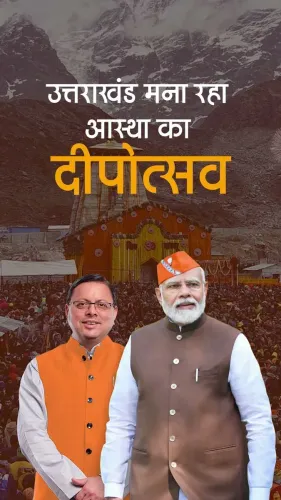
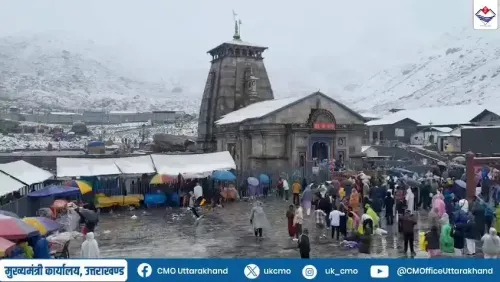
The ancient portals of Kedarnath Dham swung shut for winter on the morning of Wednesday, 11 November 2026 — right on sacred schedule — and Uttarakhand Chief Minister Pushkar Singh Dhami seized the moment to announce that this year's Char Dham Yatra had set a historic attendance record, the highest pilgrim footfall in the pilgrimage circuit's recorded history.
Posting on X, Dhami wrote: 'चारधाम यात्रा के इतिहास में इस वर्ष सर्वाधिक श्रद्धालुओं ने देवभूमि उत्तराखंड पहुंचकर पुण्यलाभ प्राप्त किया' — ('This year, the highest-ever number of devotees in the history of Char Dham Yatra reached Devbhoomi Uttarakhand to seek spiritual merit'). He credited the achievement to the tireless work of temple priests, security personnel, local residents, and what he called the 'double engine government' guided by Prime Minister Narendra Modi.
The winter closing ritual at Kedarnath
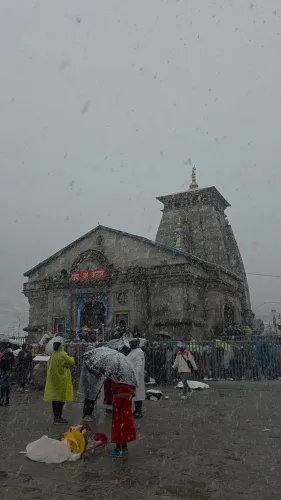
Every year, as the high Himalayas brace for snowfall that makes the 3,583-metre pilgrimage route inaccessible, the portals of Kedarnath temple — one of the twelve Jyotirlingas of Lord Shiva — are ceremonially sealed following strict Vedic rites. The ritual marks the formal end of the summer-to-autumn pilgrim season that typically runs from May through November. The deity is then ceremonially carried to Ukhimath in the Rudraprayag valley, where winter prayers are offered until the shrine reopens in summer.
The closure is not merely a logistical event — it is woven into centuries of religious tradition, managed by the hereditary tirth purohit (temple priest) families of the region. Dhami specifically acknowledged these priests and the security forces deployed along the high-altitude route in his post, signing off with 'Har Har Mahadev! Jai Baba Kedar!'
Record footfall and the 'double engine' claim
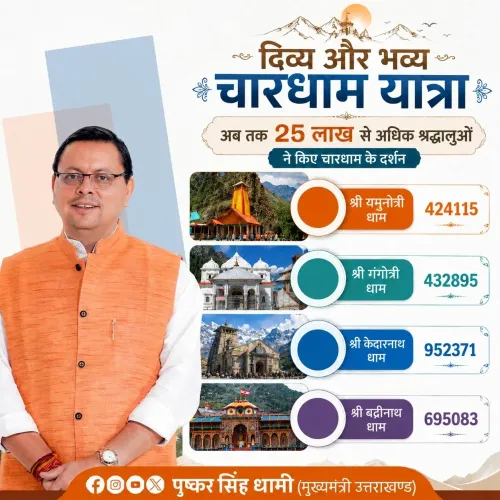
Uttarakhand — branded Devbhoomi, the 'land of the gods' — comprises the four Char Dham sites: Yamunotri, Gangotri, Kedarnath, and Badrinath. The state government and the BJP have consistently cited rising pilgrim numbers as proof that improved infrastructure and administration are delivering results. The 'double engine government' phrase, standard BJP vocabulary since roughly 2017, refers to aligned governance at both the state and central levels — with both Dhami's administration in Dehradun and Modi's government in New Delhi belonging to the same party.
Road connectivity to the four shrines received a major structural boost when the Char Dham Highway project was approved in 2016, widening and strengthening the mountain roads that for decades left pilgrims vulnerable to landslides and bottlenecks. The project has been cited repeatedly by state leaders as a catalyst for the surge in annual visitor numbers over the past decade.
What the closure means for Kedarnath's next chapter
With the 2026 yatra season now officially closed, attention will turn to off-season infrastructure work — a window the state typically uses to advance construction, repair, and development projects at the high-altitude shrine complex. Kedarnath has been the focus of significant post-2013 flood reconstruction, including a rebuilt ghats area and improved drainage, much of it carried out under central and state government funding.
The portals are expected to reopen in summer 2027, when any new pilgrim-management or infrastructure announcements from the state or central government will be closely watched by both devotees and the tourism economy that depends on the annual yatra season.
Devbhoomi has set its record. Now the mountain waits out the winter — and counts down to the next opening.
Point of View
Ahead of future electoral cycles, that aligned Centre-state leadership delivers tangible results for devotees. The post also signals the state's intent to keep Char Dham infrastructure upgrades in the national conversation. For the BJP, Devbhoomi is not just a spiritual brand — it is a showcase constituency.
NationPress
11 Nov 2026
Frequently Asked Questions
When did Kedarnath Dham close for winter in 2026?
Kedarnath Dham closed its portals for the winter season on the morning of 11 November 2026 , following traditional Vedic rites and religious ceremonies.
Why does Kedarnath temple close every winter?
The high-altitude temple, situated at roughly 3,583 metres , becomes inaccessible due to heavy snowfall each winter. Following centuries-old tradition, the portals are ritually sealed and the deity is shifted to Ukhimath for winter worship.
Did Char Dham Yatra 2026 break a record?
CM Pushkar Singh Dhami stated that the 2026 Char Dham Yatra saw the highest-ever pilgrim footfall in the history of the circuit, though exact numbers have not been officially confirmed in public data yet.
What is the Char Dham Highway project?
The Char Dham Highway project was approved in 2016 to widen and upgrade roads connecting the four pilgrimage sites — Yamunotri, Gangotri, Kedarnath, and Badrinath — improving safety and accessibility for pilgrims.
When will Kedarnath Dham reopen in 2027?
Kedarnath Dham typically reopens in May each year. Based on tradition, the portals are expected to open again in summer 2027 , with the exact date announced according to the Hindu almanac.