CM Dhami Pays Tribute to Lala Lajpat Rai on Death Anniversary
Synopsis
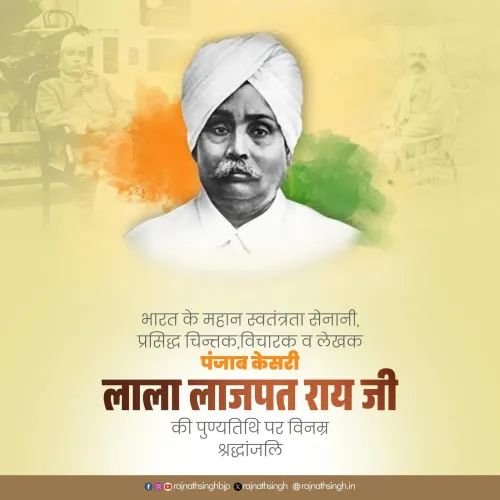
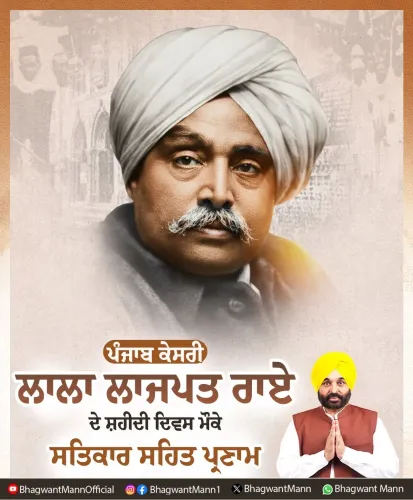
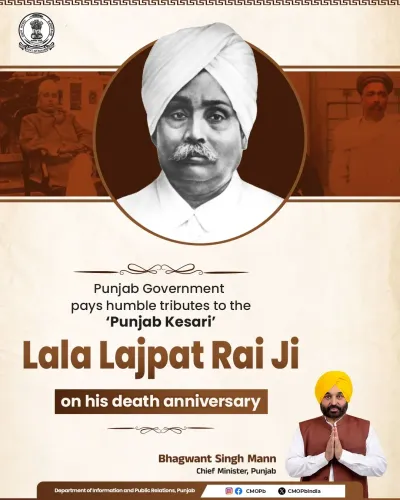
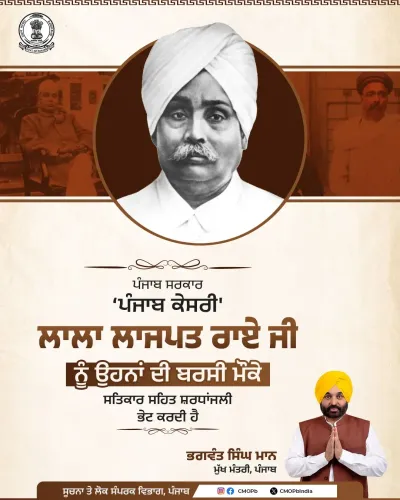
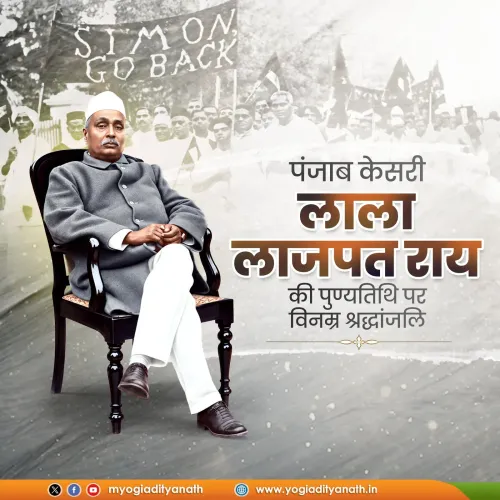
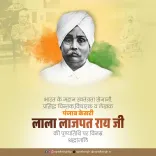
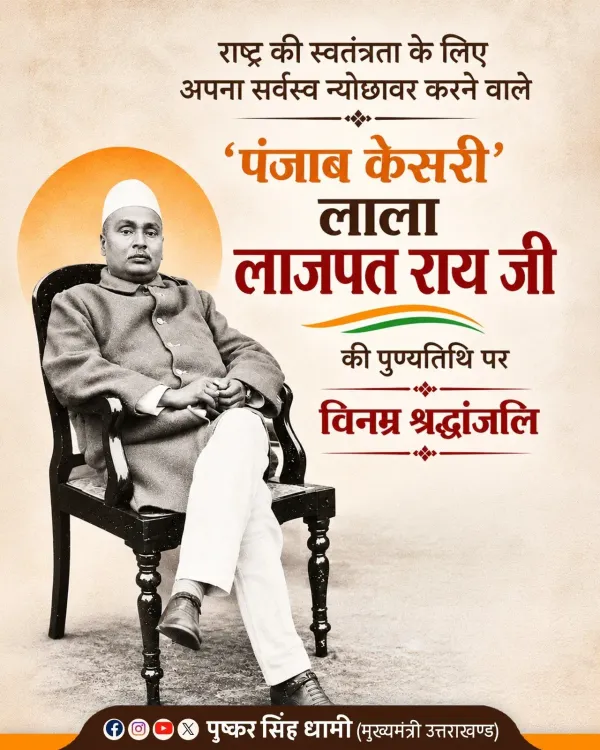
On the 98th death anniversary of 'Punjab Kesari' Lala Lajpat Rai, Uttarakhand CM Pushkar Singh Dhami paid tribute on X, recalling the freedom fighter's sacrifice during the 1928 Simon Commission protests and his enduring legacy in India's independence movement.
Key Takeaways
17 November 2026 marks the 98th death anniversary of freedom fighter Lala Lajpat Rai .
Lajpat Rai died from injuries sustained during a lathi charge while leading protests against the Simon Commission in Lahore in October 1928 .
The Simon Commission (1927) was a British parliamentary body with no Indian members, triggering nationwide protests.
Uttarakhand CM Pushkar Singh Dhami honoured Rai as a 'great freedom fighter and fearless nationalist thinker' on X.
Lajpat Rai held the title Punjab Kesari (Lion of Punjab) and was also a co-founder of Punjab National Bank .
His martyrdom directly inspired the revolutionary actions of Bhagat Singh and his associates.
Ninety-eight years after lathi blows from British police sealed the fate of a defiant revolutionary, Uttarakhand Chief Minister Pushkar Singh Dhami paused on Tuesday, 17 November 2026 to honour the man those blows could never silence — Lala Lajpat Rai, the 'Punjab Kesari', on his death anniversary.
In a post on X, CM Dhami offered his tribute, writing: 'Mahan swatantrata senani, prakhar rashtravadi vicharak' — 'A great freedom fighter, a fearless nationalist thinker who sacrificed everything for the country's independence.' He recalled Rai's 'fearless struggle against British rule, indomitable courage, and unbroken dedication to the nation,' saying these qualities infused the independence movement with fresh energy.
The Simon Commission, the Lathi, and a Martyr's Legacy
The story CM Dhami invoked is one of the most searing episodes in India's freedom struggle. In 1927, Britain appointed the Simon Commission — a seven-member parliamentary body tasked with reviewing constitutional reforms in India — with not a single Indian among its members. The slight was deliberate. The outrage was nationwide.
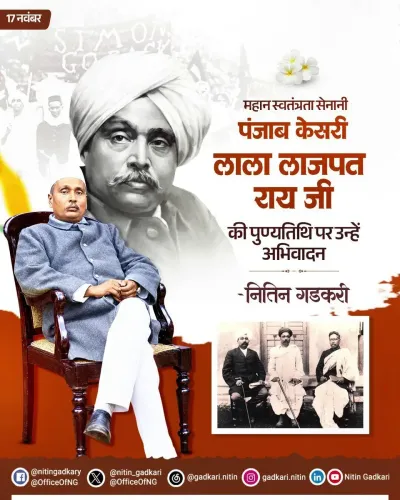
When the commission arrived in Lahore on 30 October 1928, Lala Lajpat Rai led the protest march. Police superintendent James Scott ordered a lathi charge directly targeting Rai. The blows were severe. Lala Lajpat Rai died on 17 November 1928 — exactly 98 years before today's tribute — from injuries sustained in that assault. His last words, as recorded in historical accounts, declared that every blow on his body was a nail in the coffin of British imperialism. It proved prophetic.
His death galvanised a generation. Bhagat Singh and his associates responded by assassinating British police officer J.P. Saunders months later, believing him responsible for ordering the attack — an act that accelerated the revolutionary current of the independence movement.
A Nationalist Icon Routinely Remembered at the Highest Levels
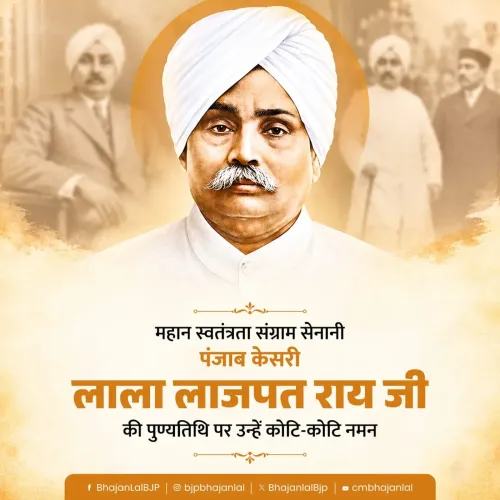
Born on 28 January 1865 in present-day Punjab, Lala Lajpat Rai was not merely a street agitator. He was a prolific writer, a co-founder of the Punjab National Bank, and a leading voice in the Indian National Congress. The title 'Punjab Kesari' — 'Lion of Punjab' — captured both his fierce oratory and his unflinching resistance to colonial authority.
Tributes to Rai on 17 November have become a fixture in India's political calendar. Elected leaders across the ideological spectrum mark the anniversary, though BJP office-bearers have been particularly consistent in invoking his legacy of nationalist sacrifice — a theme that resonates with the party's broader emphasis on pre-Independence resistance figures.
For CM Dhami, the tribute fits a pattern of regular public acknowledgements of freedom-movement anniversaries — a practice that connects the machinery of state government to the longer arc of the nation's founding story. The lion of Punjab never stopped roaring; every 17 November, India makes sure the echo carries forward.
Point of View
Reinforcing the BJP's self-image as the inheritor of that tradition. The Simon Commission episode, with its themes of colonial arrogance and Indian defiance, retains potent symbolic currency in contemporary political discourse. What makes such tributes worth watching is how consistently they are deployed to frame current governance as a continuation of the unfinished project of national resurgence.
NationPress
17 Nov 2026
Frequently Asked Questions
Who was Lala Lajpat Rai?
Lala Lajpat Rai was a prominent Indian freedom fighter, nationalist thinker, and writer known as 'Punjab Kesari' or Lion of Punjab. He was born on 28 January 1865 and died on 17 November 1928 from injuries sustained during a police lathi charge at a protest against the Simon Commission in Lahore.
Why did Lala Lajpat Rai die?
Lala Lajpat Rai died on 17 November 1928 from injuries he sustained when British police carried out a lathi charge on protesters demonstrating against the Simon Commission in Lahore on 30 October 1928 . He was leading the protest march when police targeted him directly.
What was the Simon Commission?
The Simon Commission was a British parliamentary commission appointed in 1927 to review constitutional reforms in India. It had no Indian members, which triggered widespread protests across the country, including the Lahore protest at which Lala Lajpat Rai was fatally injured.
Why is Lala Lajpat Rai called Punjab Kesari?
Lala Lajpat Rai earned the title Punjab Kesari , meaning 'Lion of Punjab,' for his fierce oratory, fearless resistance to British colonial rule, and his towering presence in the Punjab region's political and social life during the freedom movement.
What did CM Pushkar Singh Dhami say about Lala Lajpat Rai?
Uttarakhand Chief Minister Pushkar Singh Dhami described Lala Lajpat Rai as a 'great freedom fighter and fearless nationalist thinker' who sacrificed everything for independence. He said Rai's courage and dedication to the nation gave fresh energy to the freedom movement, and that his sacrifice during the Simon Commission protests would remain immortal in Indian history.