CM Uttarakhand Pays Tribute to 1962 War Hero Jaswant Singh Rawat
Synopsis
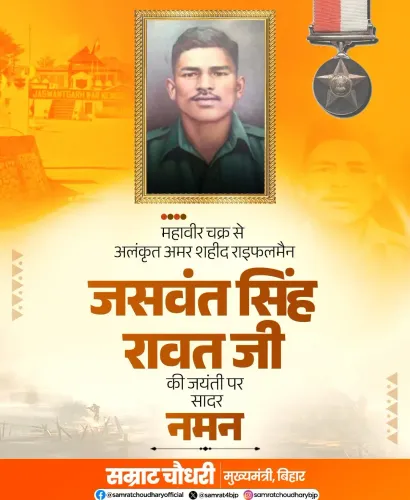
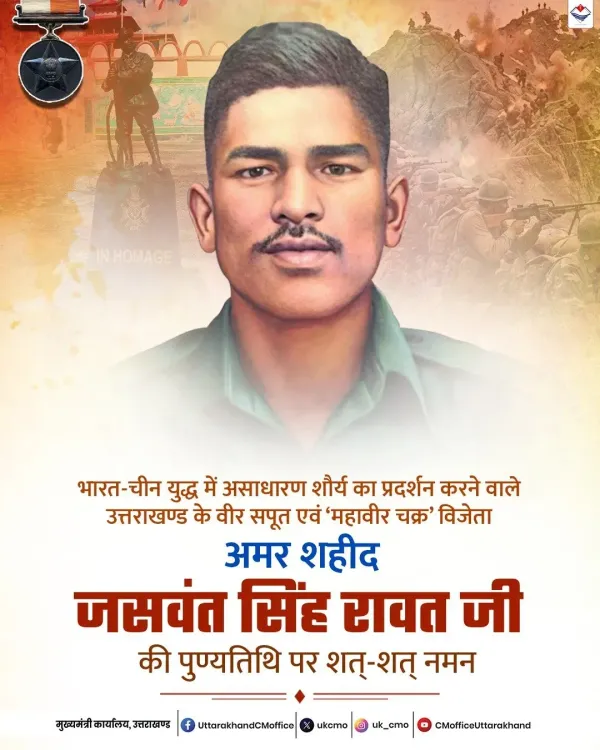
On his death anniversary, the Uttarakhand Chief Minister's Office honoured Rifleman Jaswant Singh Rawat — posthumous Mahavir Chakra awardee of the 1962 India-China War — calling his valour and dedication to the motherland a lasting national inspiration.
Key Takeaways
Rifleman Jaswant Singh Rawat of the 4th Garhwal Rifles was awarded the Mahavir Chakra posthumously for gallantry in the 1962 India-China War .
The Uttarakhand Chief Minister's Office posted a formal death-anniversary tribute on November 17, 2026 .
The 1962 conflict was fought across the Ladakh and NEFA sectors, resulting in significant Indian casualties and territorial changes.
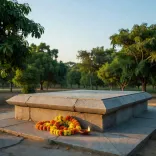
A memorial named Jaswantgarh , near Tawang, Arunachal Pradesh , honours Rawat's stand and remains an active army post.
Himalayan border states like Uttarakhand have maintained annual remembrance of 1962 martyrs as an ongoing governance and cultural practice.
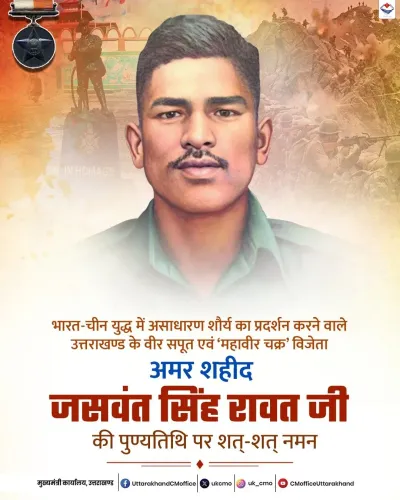
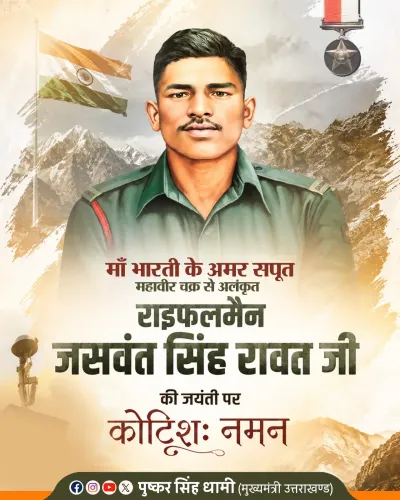
Sixty-four years after a lone rifleman held back a Chinese advance against impossible odds, Uttarakhand's Chief Minister's Office paused on Tuesday, November 17, 2026 to honour the man who made it happen — Rifleman Jaswant Singh Rawat, Mahavir Chakra awardee and one of the most celebrated martyrs of the 1962 India-China War.
The CMO posted its tribute in Hindi on X, writing: '1962 ke Bharat-Chin yuddh ke veer nayak, Mahavir Chakra se sammanit Rifleman Jaswant Singh Rawat ji ki punyatithi par vinamra shraddhanjali.' — 'Humble tribute on the death anniversary of the brave hero of the 1962 India-China War, Mahavir Chakra awardee Rifleman Jaswant Singh Rawat.' The post added that 'his indomitable valour and dedication to the motherland will always inspire the nation.'
The Rifleman Who Refused to Fall Back
Jaswant Singh Rawat served with the 4th Garhwal Rifles during the brief but devastating war of 1962, fought across the Ladakh and NEFA sectors. When the fighting reached its most desperate pitch, Rawat — operating largely alone — held his position against advancing Chinese forces in a stand that passed into military legend. He was awarded the Mahavir Chakra, India's second-highest wartime gallantry honour, posthumously.
His name lives on at Jaswantgarh, a memorial and army post near Tawang in Arunachal Pradesh, where soldiers still observe rituals in his memory. For Uttarakhand — a state whose hills have produced generations of fighting men — Rawat is not simply a historical figure. He is a living reference point for what service and sacrifice mean.
A Border State's Duty of Memory
Himalayan border states, Uttarakhand foremost among them, have made annual remembrance of 1962 war martyrs a consistent practice of governance. The pattern is deliberate: with the India-China border never far from public consciousness, keeping these names visible is as much a policy stance as it is a cultural one. State governments across the northern frontier have reinforced this practice over decades, ensuring that the institutional memory of the conflict does not erode.
Today's post from the CMO fits squarely within that tradition — dignified, restrained, and pointed.
Point of View
Whose population supplies a disproportionate share of the Indian Army, has particular reason to keep names like Rawat's in public view. The CMO's tribute also reflects a broader national effort to elevate posthumous gallantry awardees whose stories were long overshadowed by the political trauma surrounding 1962 itself. As border infrastructure and diplomatic engagements with China cycle through the news, these remembrances anchor the conversation in human cost.
NationPress
17 Nov 2026
Frequently Asked Questions
Who was Rifleman Jaswant Singh Rawat?
Jaswant Singh Rawat was a soldier in the 4th Garhwal Rifles who displayed exceptional bravery during the 1962 India-China War and was awarded the Mahavir Chakra, India's second-highest wartime gallantry honour, posthumously.
What is the Mahavir Chakra?
The Mahavir Chakra is India's second-highest military decoration, awarded for acts of conspicuous gallantry in the presence of the enemy, whether on land, at sea, or in the air.
What happened in the 1962 India-China War?
The 1962 India-China War was a brief but intense border conflict fought primarily in the Ladakh and NEFA sectors. It resulted in significant Indian casualties and territorial changes, and remains a defining moment in modern Indian military history.
Where is the Jaswant Singh Rawat memorial?
A memorial called Jaswantgarh, located near Tawang in Arunachal Pradesh, honours Rifleman Rawat's stand during the 1962 war and continues to function as an active army post where soldiers observe rituals in his memory.
Why does Uttarakhand mark the death anniversaries of 1962 war martyrs?
Uttarakhand is a Himalayan border state with a long tradition of military service, and state governments there have consistently honoured 1962 war martyrs annually to preserve public memory of the conflict and acknowledge the region's sacrifices.