CM Dhami Pushes Literary Tourism via Sahitya Gram Plan
Synopsis
Uttarakhand Chief Minister Pushkar Singh Dhami says his government is preserving unpublished regional literature through the Uttarakhand Bhasha Sansthan and working to establish a Sahitya Gram — a literary village — to make the state a hub of literary tourism.
Key Takeaways
Chief Minister Pushkar Singh Dhami announced the initiative on 26 July 2026 via a post on X.
The Uttarakhand Bhasha Sansthan is being used to preserve unpublished and scattered regional literature.
A Sahitya Gram (Literary Village) is being planned to develop Uttarakhand as a centre of literary tourism.
Uttarakhand was formed in November 2000 with a mandate to protect the cultural and linguistic identity of its hill communities.
The initiative targets local writers, literary researchers, and the tourism sector as primary stakeholders.
Formal timelines and a confirmed location for Sahitya Gram have not yet been publicly announced.
Uttarakhand Chief Minister Pushkar Singh Dhami announced on Sunday, 26 July 2026 that his government is actively working to preserve unpublished and scattered regional literature through the Uttarakhand Bhasha Sansthan, and is pursuing the establishment of a 'Sahitya Gram' (Literary Village) to position the state as a major centre of literary tourism.
Context
In his post, Chief Minister Dhami stated: 'Hamari sarkar ke prayason se Uttarakhand Bhasha Sansthan ke madhyam se aprakashit evam bikhre sahitya ke sanrakshan ka karya kiya ja raha hai' — 'Through the efforts of our government, work is being done to preserve unpublished and scattered literature via the Uttarakhand Language Institute.' He added that steps are being taken towards establishing a Sahitya Gram with the aim of developing Uttarakhand as an important centre of literary tourism.
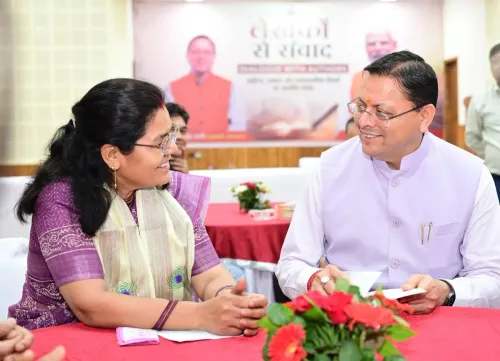
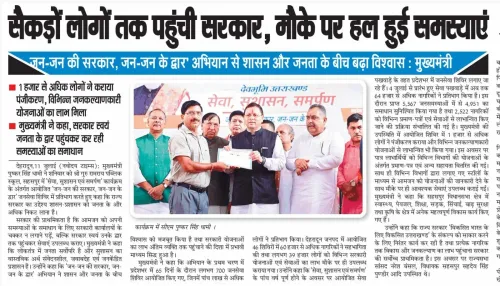
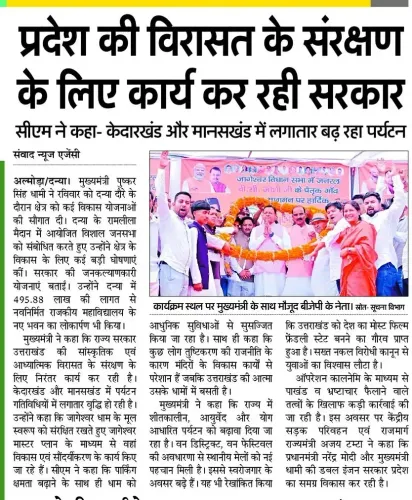
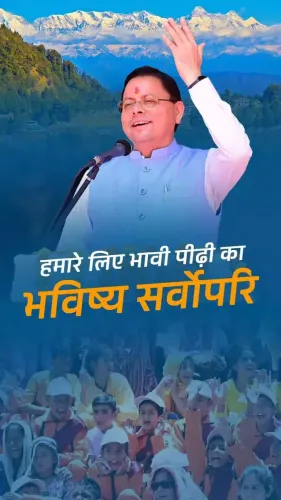
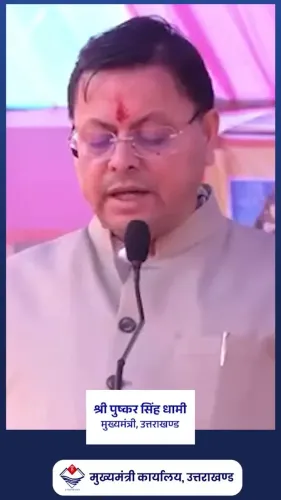
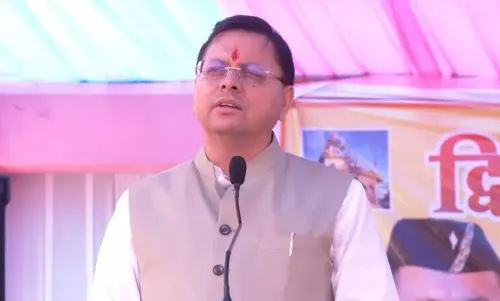
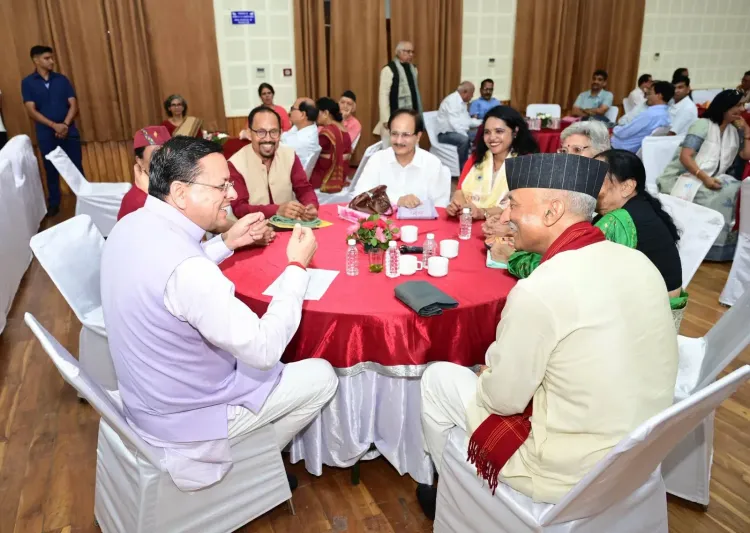
The post was accompanied by four images, indicating an event or site visit linked to the cultural initiative. The announcement signals that the state government is treating literary heritage not merely as an archival concern but as an economic and tourism asset.
Policy Backdrop
Uttarakhand was carved out as a separate state in November 2000 with an explicit mandate to protect the distinct cultural and linguistic identity of its hill communities. The Uttarakhand Bhasha Sansthan — the state's dedicated language institute — was established as a key instrument of that mandate, tasked with research, documentation, and promotion of regional languages and literature.
The proposed Sahitya Gram would go a step further by creating a dedicated physical space for writers, literary archives, and tourism activities centred on the state's literary heritage. This approach mirrors efforts by several other Indian states — including Himachal Pradesh and Rajasthan — to brand themselves as cultural destinations by converting regional literary and artistic assets into structured tourism products.
Stakeholders and Impact
The initiative directly concerns local writers, literary researchers, and the tourism sector in Uttarakhand. For writers and researchers, the preservation drive through the Bhasha Sansthan offers a formal institutional channel for archiving works that might otherwise be lost. For the tourism industry, a functional Sahitya Gram could open a new category of cultural visitor — distinct from the state's established pilgrimage and adventure tourism circuits.
The convergence of language preservation and tourism infrastructure development is consistent with the Dhami government's broader strategy of leveraging Uttarakhand's Himalayan cultural distinctiveness as an economic driver. Local communities in the hill districts, whose oral traditions and vernacular literature are among the most at risk, stand to benefit from any sustained archival programme.
What's Next
The key indicators to watch will be progress on land acquisition or construction for the Sahitya Gram project, and whether the initiative receives a dedicated budget line in the next Uttarakhand state budget or tourism policy document. Formal timelines and a confirmed location for the Literary Village have not yet been announced publicly.
If the Sahitya Gram moves from planning to execution, it could establish a replicable model for other Himalayan states seeking to monetise cultural heritage without compromising preservation goals — a balance that has proved elusive for many such initiatives across India.
Point of View
A formula the BJP has deployed in several hill states. The framing of literary heritage as a tourism product is politically astute: it appeals to both cultural-nationalist sentiment and the development narrative the party relies on in Uttarakhand. However, the absence of confirmed timelines or locations means the announcement sits closer to intent than policy, and its credibility will depend on budget allocations in the coming fiscal cycle. The broader significance lies in whether Uttarakhand can demonstrate that language preservation and tourism monetisation are genuinely complementary rather than in tension.
NationPress
26 Jul 2026
Frequently Asked Questions
What is Sahitya Gram in Uttarakhand?
Sahitya Gram is a proposed Literary Village project announced by the Uttarakhand government under Chief Minister Pushkar Singh Dhami. It aims to create a dedicated space for writers, literary archives, and cultural tourism activities centred on the state's regional literary heritage.
What does Uttarakhand Bhasha Sansthan do?
The Uttarakhand Bhasha Sansthan is a state government body responsible for research, documentation, and promotion of the regional languages and literature of Uttarakhand. It is currently being used to preserve unpublished and scattered literary works from the state.
What is literary tourism and how does it apply to Uttarakhand?
Literary tourism involves visiting places associated with authors, literary traditions, or cultural heritage. Uttarakhand's government is working to position the state as a literary tourism destination by preserving regional literature and establishing infrastructure such as the proposed Sahitya Gram.
When did Pushkar Singh Dhami announce the Sahitya Gram project?
Chief Minister Pushkar Singh Dhami made the announcement on Sunday, 26 July 2026, through a post on X, stating that work is under way to establish the Sahitya Gram as part of a broader cultural and tourism initiative.
Which other Indian states have similar literary or cultural tourism projects?
States such as Himachal Pradesh and Rajasthan have launched comparable efforts to archive regional literature and convert cultural assets into tourism products, making Uttarakhand's Sahitya Gram part of a broader national trend among culturally distinct states.