CM Dhami Pushes Uttarakhand as Green Mobility Leader
Synopsis
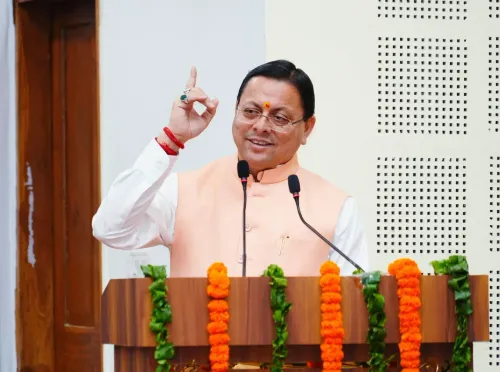
Uttarakhand CM Pushkar Singh Dhami, joined by two Cabinet ministers, an MLA, and the Dehradun Mayor, reaffirmed on 28 July 2026 that his government is actively working to make the Himalayan state a national leader in green mobility, modern transport, and sustainable development.
Key Takeaways
CM Pushkar Singh Dhami on 28 July 2026 publicly committed to making Uttarakhand a leading green mobility state.
Cabinet Ministers Pradeep Batra and Ganesh Joshi , MLA Savita Kapoor , and Dehradun Mayor Saurabh Thapliyal were present at the event.
The state's approach links modern transport infrastructure with clean environment goals and sustainable development, given Uttarakhand's ecologically sensitive Himalayan terrain.
The national FAME scheme , launched in 2015 , provides the central policy framework within which Uttarakhand's green mobility push sits.
Specific project details, timelines, and targets from the event have not yet been made public.
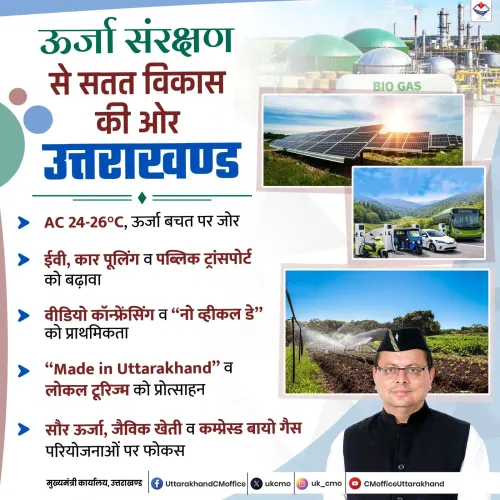
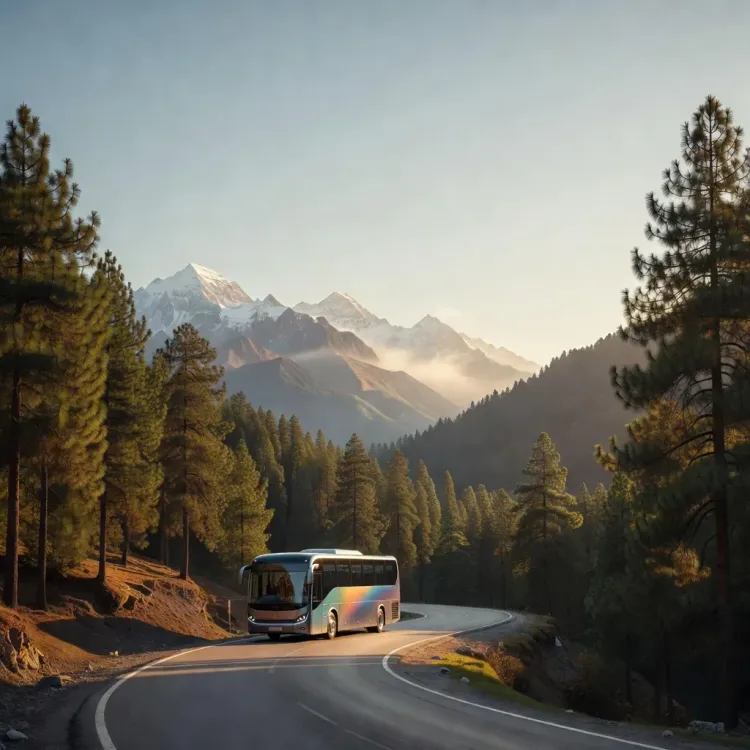
Uttarakhand is staking its claim as a green mobility pioneer — and Chief Minister Pushkar Singh Dhami wants the country to take notice. On Tuesday, 28 July 2026, Dhami reaffirmed his government's commitment to building a cleaner, smarter transport network for the Himalayan state, framing the push as inseparable from the twin goals of environmental protection and sustainable development.
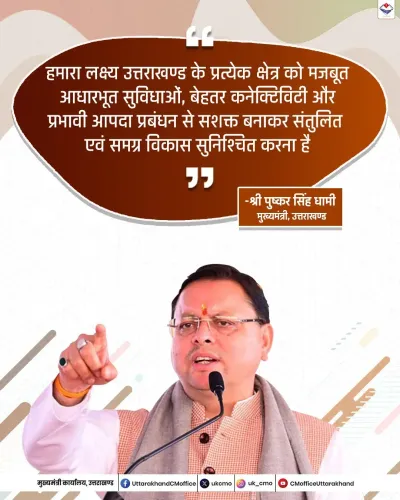
Posting in Hindi, Dhami wrote: 'Aadhunik parivahan vyavastha, swachh paryavaran aur satat vikas ke sankalp ke saath Uttarakhand ko Green Mobility ki disha mein agrani rajya banane ke liye hamari sarkar nirantar karya kar rahi hai' — 'Our government is continuously working to make Uttarakhand a leading state in the direction of Green Mobility, with the resolve of modern transport systems, a clean environment, and sustainable development.' The event drew a senior cross-section of the state's political leadership.
Who Was in the Room
The gathering was notably high-profile. Cabinet Minister Pradeep Batra, Cabinet Minister Ganesh Joshi, MLA Savita Kapoor, and Dehradun Mayor Saurabh Thapliyal were all present — a signal that green mobility is being treated as a whole-of-government priority, not a peripheral department talking point.
Why Uttarakhand's Green Bet Is Different
For most Indian states, green mobility is an urban air-quality fix. For Uttarakhand, the stakes are existential. The state's economy is anchored in tourism, pilgrimage, and agriculture — all directly exposed to the ecological health of its Himalayan terrain. Diesel-heavy transport corridors threading through fragile mountain ecosystems carry costs that go well beyond carbon accounting.
The national scaffolding is already in place. The FAME scheme — Faster Adoption and Manufacturing of Electric and Hybrid Vehicles — launched by the Government of India in 2015 — has steadily expanded the EV ecosystem across states. Uttarakhand's move to position itself as a frontrunner plugs directly into that framework, potentially unlocking central funding and private investment in charging infrastructure and electric fleet transitions.
The Pattern Behind the Push
Dhami's announcement fits a wider arc: Indian states competing to lead on clean energy not just for environmental credibility, but for economic positioning. A greener transport grid means lower fuel import dependency, reduced health costs, and a stronger pitch to eco-conscious investors and tourists. For a state that hosts Char Dham pilgrimage routes and draws millions of visitors annually, the brand value of 'clean Uttarakhand' is measurable in rupees, not just principles.
The specifics of what was unveiled at the event — fleet targets, charging corridors, policy timelines — are yet to be detailed publicly. But the political weight in that room suggests this was more than a ceremonial moment. When a Chief Minister, two Cabinet ministers, a sitting MLA, and a Mayor gather under one roof for a mobility announcement, implementation machinery tends to follow.
Point of View
A credible 'clean Uttarakhand' brand directly serves BJP's development narrative ahead of future electoral cycles. The presence of two Cabinet ministers and the Dehradun Mayor signals this is being institutionalised, not just announced. However, the absence of specific targets or timelines leaves the commitment in the aspirational register for now — the real test will be whether charging infrastructure and fleet electrification follow with the same urgency as the press event. Uttarakhand's alignment with the FAME framework also positions the state to compete for central funds, making this simultaneously a state initiative and a smart fiscal play.
NationPress
28 Jul 2026
Frequently Asked Questions
What is Uttarakhand's green mobility plan?
Uttarakhand Chief Minister Pushkar Singh Dhami has committed to making the state a leading green mobility destination by promoting modern, clean transport systems aligned with sustainable development goals, building on the national FAME scheme framework.
Who attended the Uttarakhand green mobility event on 28 July 2026?
Cabinet Ministers Pradeep Batra and Ganesh Joshi, MLA Savita Kapoor, and Dehradun Mayor Saurabh Thapliyal joined CM Dhami at the event.
What is the FAME scheme and how does it relate to Uttarakhand?
FAME — Faster Adoption and Manufacturing of Electric and Hybrid Vehicles — is a Government of India scheme launched in 2015 to promote EV adoption. Uttarakhand's green mobility push aligns with this national framework, potentially enabling the state to access central funding and support.
Why is green mobility especially important for Uttarakhand?
Uttarakhand's economy depends heavily on tourism and pilgrimage in ecologically sensitive Himalayan terrain. Cleaner transport reduces environmental damage to fragile ecosystems and strengthens the state's appeal to eco-conscious visitors.
Has Uttarakhand announced specific EV targets or timelines?
As of the 28 July 2026 event, specific targets, timelines, or project details have not been made public. CM Dhami's post focused on the government's ongoing commitment and direction rather than concrete metrics.