CM Dhami Reaffirms Governance, Accountability as Top Priorities
Synopsis
Uttarakhand Chief Minister Pushkar Singh Dhami on 24 July 2026 reaffirmed public service, good governance, and accountability as his government's top priorities, vowing time-bound grievance resolution and effective scheme delivery to every citizen in the state.
Key Takeaways
CM Pushkar Singh Dhami posted on 24 July 2026 reaffirming governance and accountability as the highest priorities of his government.
He pledged that benefits of all state schemes will reach every citizen in an effective and time-bound manner.
Uttarakhand , formed in 2000 , faces persistent last-mile delivery challenges in its remote Himalayan districts.
The statement aligns with the BJP 's national governance narrative centred on Direct Benefit Transfer and digital grievance redressal since 2014 .
No specific new scheme or policy announcement was made; the post signals an administrative posture rather than a programme launch.
Concrete delivery metrics are expected to be scrutinised at upcoming state assembly sessions and budget presentations.
Uttarakhand Chief Minister Pushkar Singh Dhami on Friday, 24 July 2026, reaffirmed that public service, good governance, and accountability remain the highest priorities of his government, pledging that every citizen will receive the benefits of state schemes in an effective and time-bound manner.
Context
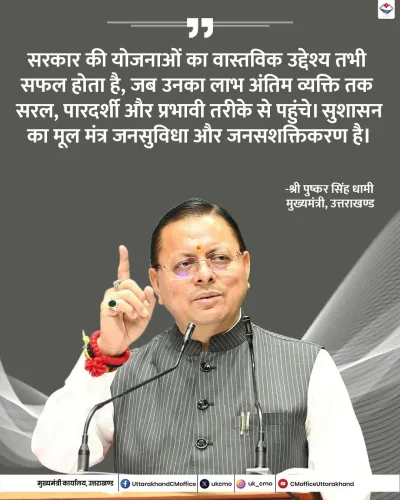
Posting on X, CM Dhami stated — 'जनता की सेवा, सुशासन और जवाबदेही हमारी सरकार की सर्वोच्च प्राथमिकता है' ['Public service, good governance, and accountability are the highest priorities of our government'] — underlining that the state administration is working continuously toward the all-round development of Uttarakhand. He added that the goal is to ensure every problem is resolved within a defined timeframe and that scheme benefits reach each citizen effectively.
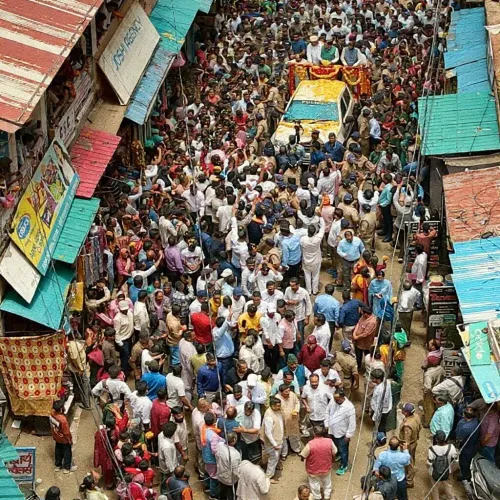
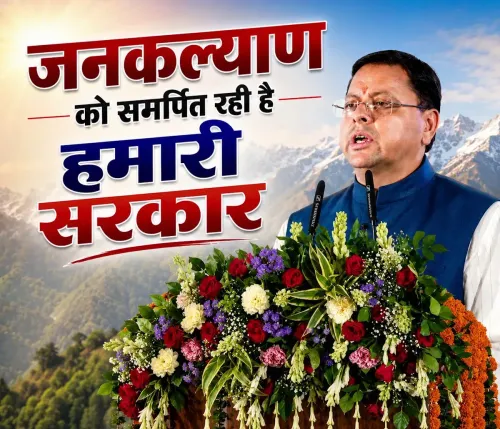
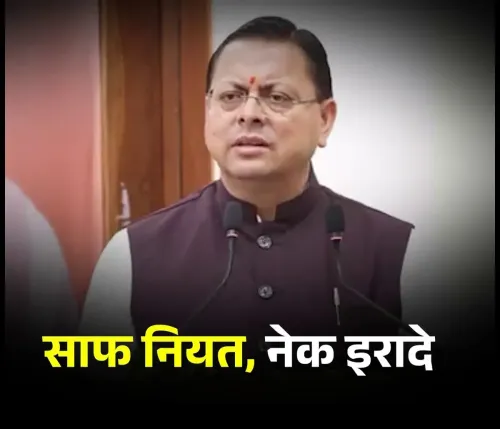
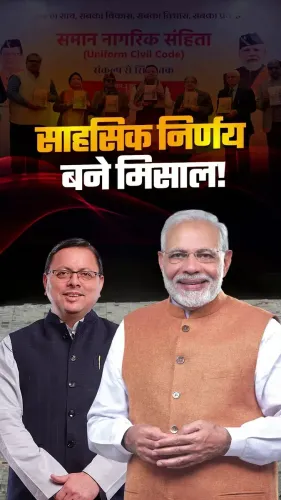
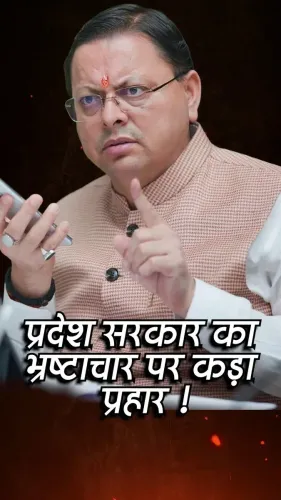
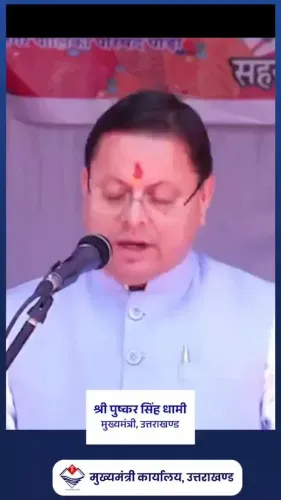
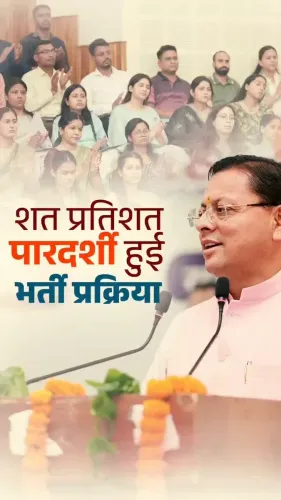
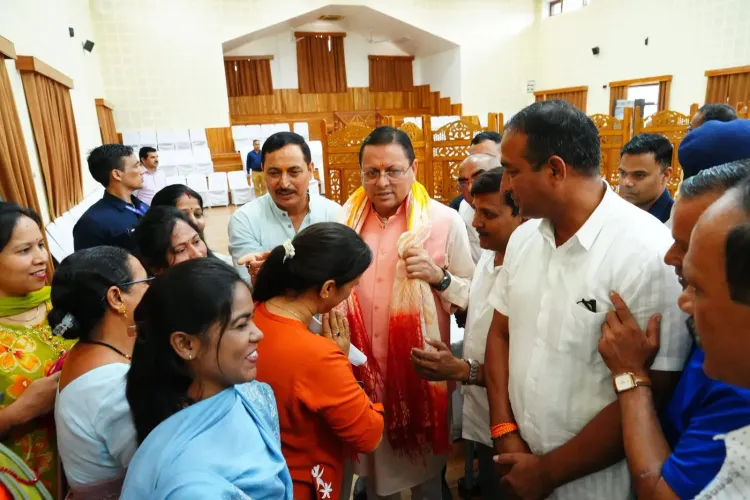
The post was accompanied by four images, signalling an active administrative outreach rather than a purely ceremonial message. No specific scheme or event was named in the post itself.
Policy Backdrop
Uttarakhand was carved out as a separate state in November 2000 precisely to enable more responsive and localised governance for its geographically challenging Himalayan terrain, where last-mile delivery of welfare programmes has historically been difficult. The state's dispersed population across mountain districts makes scheme penetration a persistent administrative challenge.
Since 2014, the central government's push for Direct Benefit Transfer (DBT) and digital grievance redressal platforms has significantly shaped how state governments approach welfare delivery. Uttarakhand under the Bharatiya Janata Party (BJP) has aligned its administrative messaging with this national emphasis on efficiency, transparency, and citizen-centric service.
Stakeholders and Impact
The primary stakeholders are the residents of Uttarakhand, particularly those in remote hill districts who depend on state-administered welfare schemes for healthcare, agriculture support, and livelihood assistance. For these communities, the promise of 'time-bound resolution' of grievances carries practical weight, given the logistical barriers that have long delayed scheme delivery.
CM Dhami, who assumed office in 2021, has consistently positioned accountability and development as the twin pillars of his administration. This messaging reinforces the BJP's broader governance narrative at the state level, which emphasises administrative efficiency as a marker of political credibility ahead of future electoral cycles.
What's Next
Observers will watch upcoming state assembly sessions and budget presentations for concrete metrics on grievance redressal timelines and scheme coverage data that can substantiate the governance claims made in such public communications. The administration's follow-through on time-bound resolution mechanisms will be the real test of the commitments articulated in this post.
As Indian states increasingly use social media as a governance accountability tool, CM Dhami's statement sets a visible public benchmark — one that civil society groups and opposition parties in Uttarakhand are likely to hold the government against in the months ahead.
Point of View
Sabka vikas' delivery narrative. The emphasis on 'time-bound resolution' is notable because it implicitly acknowledges that grievance backlogs remain a real concern in a state as geographically complex as Uttarakhand. Without accompanying data on scheme coverage or redressal timelines, however, the statement functions primarily as political messaging rather than a verifiable policy commitment. The real test will come when opposition benches and civil society groups demand numbers to match the rhetoric in assembly sessions ahead.
NationPress
24 Jul 2026
Frequently Asked Questions
What did Uttarakhand CM Pushkar Singh Dhami say about governance?
CM Dhami stated on 24 July 2026 that public service, good governance, and accountability are the highest priorities of his government, and that his administration is working to ensure every citizen receives scheme benefits effectively and every problem is resolved in a time-bound manner.
What is Pushkar Singh Dhami's focus as Uttarakhand Chief Minister?
Dhami, who has been Chief Minister since 2021, has consistently focused on administrative accountability, welfare scheme delivery to remote areas, and all-round development of Uttarakhand as his government's core agenda.
Why is welfare delivery difficult in Uttarakhand?
Uttarakhand's mountainous Himalayan terrain and dispersed population across remote hill districts make last-mile delivery of government schemes logistically challenging, a problem the state has faced since its formation in 2000.
How has the central government influenced state governance in Uttarakhand?
Since 2014, the central government's push for Direct Benefit Transfer and digital grievance redressal platforms has shaped how Uttarakhand and other BJP-governed states approach welfare delivery and administrative transparency.
What should citizens watch for after CM Dhami's governance statement?
Citizens and observers should watch upcoming Uttarakhand assembly sessions and state budget presentations for concrete data on grievance redressal timelines and scheme coverage metrics that can verify the commitments made in the statement.