CM Dhami Reaffirms Govt Commitment to Uttarakhand Children's Future

Synopsis
Uttarakhand CM Pushkar Singh Dhami on 20 July 2026 pledged full government commitment to children's futures, calling them torchbearers of the state and nation. His statement connects to NEP 2020 and Samagra Shiksha Abhiyan, as the hill state battles out-migration and uneven school access.
Key Takeaways
CM Pushkar Singh Dhami posted on 20 July 2026 affirming his government's dedication to Uttarakhand's children.
He described children as the 'architects of the future' of both Uttarakhand and the nation, citing their capability, sanskar (values), and talent.
The statement aligns with the National Education Policy 2020 , which stresses foundational literacy, early childhood care, and value-based learning.
Uttarakhand's hill districts face persistent out-migration , making children's education a high-stakes policy area for the state government.
The Samagra Shiksha Abhiyan (2018) remains the key central scheme underpinning school infrastructure and enrolment efforts in the state.
Education department notifications and budget debates for 2026-27 will be watched for concrete programme announcements.
Uttarakhand Chief Minister Pushkar Singh Dhami on Monday, 20 July 2026 reaffirmed his government's dedication to building a brighter future for the state's children, calling them the torchbearers of both Uttarakhand and the nation. The statement, posted on his official X account, underscores the BJP-led state government's continued focus on child-centric education and development.
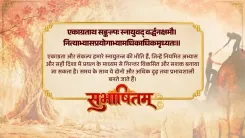
In his post, CM Dhami wrote: 'हमारे नौनिहाल प्रदेश और देश के भविष्य के कर्णधार हैं' ('Our children are the architects of the future of the state and the nation'). He added that his government is working 'with full sensitivity and dedication' toward constructing a bright future for them, expressing confidence that these children will bring glory not only to Uttarakhand but to the entire nation through their capability, values (sanskar), and talent.
Context
The statement comes against the backdrop of sustained political attention to education and youth development in Uttarakhand, a Himalayan state that faces persistent demographic pressure from out-migration of working-age adults from its hill districts. This migration has made the quality of education for children left behind a pressing policy concern for successive state governments.
CM Dhami, who has been in office since March 2021, has previously aligned the state's education agenda with cultural and value-based learning — themes that resonate strongly in the post's reference to sanskar (cultural values) alongside formal talent and capability.
Policy Backdrop
The Dhami government's child-development messaging aligns with the National Education Policy (NEP) 2020, the central framework that replaced the 1986 policy and places emphasis on early childhood care, foundational literacy, mother-tongue instruction, and holistic, value-based learning. Uttarakhand, like other BJP-governed states, has been an active implementer of NEP-aligned programmes at the school level.
The state also draws on the Samagra Shiksha Abhiyan — launched in 2018 by integrating earlier centrally sponsored schemes — which targets school infrastructure, enrolment, and learning outcomes in states including Uttarakhand. Together, these frameworks form the policy spine behind the government's stated sensitivity and dedication to children's futures.
Stakeholders and Impact
The most direct stakeholders are school-going children across Uttarakhand's thirteen districts, particularly those in remote hill areas where access to quality schooling remains uneven. Parents in these districts, many of whom have seen family members migrate to plains cities for work, have a heightened stake in whether state investment in education translates into local opportunity.
BJP-ruled states have consistently framed child-centric messaging around the combination of educational access, quality improvement, and cultural rootedness — a template that aligns with the post-2014 national shift toward human capital formation in smaller and hill states.
What's Next
Observers will watch Uttarakhand's education department notifications and assembly budget debates for 2026-27 for concrete follow-through — particularly any announcements related to Bal Vatika (NEP's early childhood transition programme) or foundational literacy initiatives in hill-district schools. CM Dhami's public reaffirmation of commitment to children's futures signals that education is likely to remain a central plank of the state government's communication and policy agenda in the months ahead.
Point of View
Invoking the triad of capability, sanskar, and talent that has become a signature BJP framing for education in the post-NEP 2020 era. By anchoring child welfare in cultural pride rather than only in infrastructure metrics, the government positions itself as a steward of both modernity and tradition — a dual appeal that resonates in a hill state where identity and aspiration are deeply intertwined. The timing, ahead of likely budget and education-department announcements for 2026-27, suggests this may be a precursor to a more concrete policy rollout. For a state grappling with demographic drain, converting such messaging into measurable improvements in learning outcomes will be the real test of the government's stated sensitivity.
NationPress
21 Jul 2026
Frequently Asked Questions
What did CM Pushkar Singh Dhami say about children on 20 July 2026?
CM Dhami said that children are the architects of Uttarakhand's and India's future, and that his government is working with full sensitivity and dedication to build a bright future for them.
What is Uttarakhand's education policy focus under CM Dhami?
The Dhami government has aligned Uttarakhand's education agenda with the National Education Policy 2020, emphasising foundational literacy, early childhood care, and value-based learning alongside school infrastructure improvements under Samagra Shiksha Abhiyan.
What is the National Education Policy 2020 and how does it apply to Uttarakhand?
The NEP 2020 replaced India's 1986 education policy and stresses early childhood care, mother-tongue instruction, and holistic development. Uttarakhand, as a BJP-governed state, has been an active implementer of NEP-aligned programmes at the school level.
Why is children's education a key issue in Uttarakhand?
Uttarakhand's hill districts face persistent out-migration of working-age adults, leaving children behind and making access to quality schooling a pressing demographic and policy challenge for the state government.
What is Samagra Shiksha Abhiyan and what role does it play in Uttarakhand?
Launched in 2018 by integrating earlier central schemes, Samagra Shiksha Abhiyan targets school infrastructure, enrolment, and learning outcomes across India, including in Uttarakhand's remote hill-district schools.