CM Dhami releases book on Uttarakhand statehood hero Ranjit Singh Verma
Synopsis
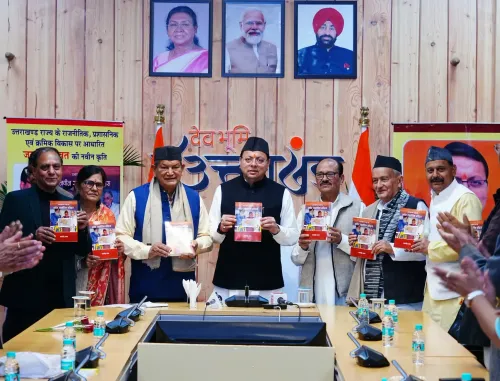
Chief Minister Pushkar Singh Dhami released a biography of late statehood fighter Ranjit Singh Verma in Dehradun, calling it a vital document of the Uttarakhand movement's struggle and pledging to fulfil the aspirations of those who sacrificed for the state's creation.
Key Takeaways
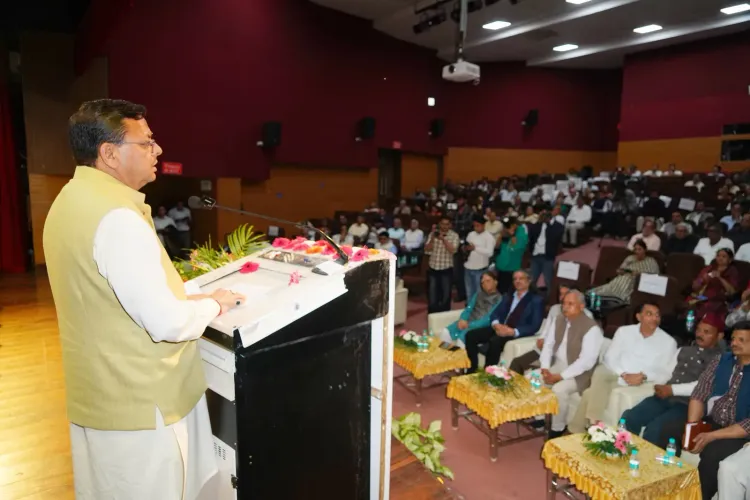
CM Pushkar Singh Dhami released a biography of late statehood activist Ranjit Singh Verma at IRDT Auditorium, Dehradun, on 5 November 2026 .
The book was co-authored by senior litterateurs Gambhir Singh Palni and Ajay Verma .
Ranjit Singh Verma served as Dehradun district president of the Uttarakhand United Struggle Committee and led bandhs, jail bharo and rail roko campaigns in 1995–96 .
Verma was a two-time MLA from the Mussoorie seat in undivided UP but chose not to contest elections after statehood was achieved.
Uttarakhand became India's 27th state on 9 November 2000 after decades of agitation marked by tragedies at Khatima, Mussoorie and Muzaffarnagar .
CM Dhami said building a prosperous, self-reliant Uttarakhand with jobs for youth and opportunities for women is the truest tribute to the movement's sacrifices.
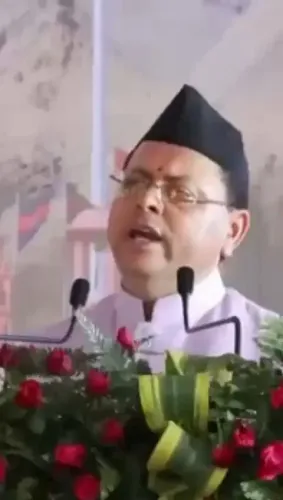
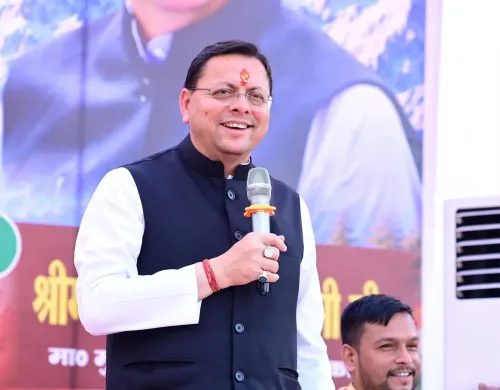
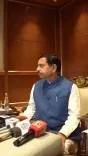
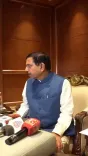
Twenty-six years after Uttarakhand became India's 27th state on 9 November 2000, the sacrifice that made it possible is being committed to paper — and to memory. Chief Minister Pushkar Singh Dhami on Thursday, 5 November 2026, released a biography of late statehood fighter Ranjit Singh Verma at the IRDT Auditorium, Survey Chowk, Dehradun, calling the book not just a life story but 'a vital document of the struggle and resolve of the Uttarakhand state movement.'
A people's leader who turned his in-laws' home into a movement base
The book — titled 'Ranjit Singh Verma: Uttarakhand Rajya Andolan Ki Nirnayak Ladai Ke Ek Jannayak' ('Ranjit Singh Verma: A People's Leader of the Decisive Battle of the Uttarakhand Statehood Movement') — was authored by senior litterateurs Gambhir Singh Palni and Ajay Verma. CM Dhami praised their effort to preserve Verma's life, struggles and contribution through the written word.
Verma served as the Dehradun district president of the Uttarakhand United Struggle Committee, the umbrella body that coordinated the statehood agitation through the mid-1990s. He brought disparate organisations and activists onto a single platform. The years 1995–96 were particularly intense: Verma led bandhs, chakka jams (road blockades), jail bharo (court-arrest) and rail roko (rail blockade) campaigns to amplify the demand for a separate hill state. He even converted his wife's family home in Premnagar Bazaar, Doiwala, into a movement hub — shelter for activists arriving from the mountains.
Two-time MLA who chose the cause over a political career
What gives Verma's story its particular moral weight is what he did after the goal was achieved. He had twice won the Mussoorie assembly seat from undivided Uttar Pradesh, a credential that could have launched a comfortable post-statehood political career. He chose otherwise. After Uttarakhand was formed, he did not contest another election, turning instead to social work. CM Dhami called his life 'an inspiration for commitment to principles and selfless public service.'
Khatima, Mussoorie, Muzaffarnagar — the painful chapters
Dhami invoked three place names that carry a heavy resonance for every Uttarakhandi: Khatima, Mussoorie and Muzaffarnagar, where agitators were killed during the peak of the movement in the 1990s. 'These are the most painful chapters in the history of the state movement,' he said. It was the collective sacrifice at those sites — and across decades of protest — that finally delivered statehood on 9 November 2000.
Present duty: fulfilling the dreams of the movement
The Chief Minister used the occasion to frame today's governance agenda as a continuation of that founding struggle. He said the state government is working toward comprehensive development, good governance, self-reliance and cultural heritage preservation. 'Our resolve is to build a Uttarakhand where youth get better employment opportunities, women become self-reliant and the benefits of development reach every citizen,' he said, calling that vision the truest tribute to Verma and all who sacrificed for statehood.
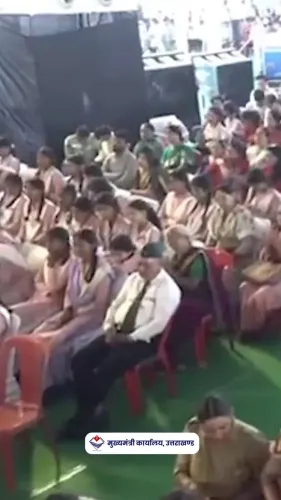
The event was attended by Cabinet Minister Subodh Uniyal, Mata Mangala, founder of the Hans Foundation, authors Palni and Ajay Verma, statehood activists, elected representatives and other dignitaries.
A book that began as a biography of one man has ended up as the state's official act of remembrance — a reminder that Uttarakhand's founding debt is still being counted, and still being honoured.
Point of View
Mussoorie and Muzaffarnagar alongside present-day promises of employment and self-reliance, CM Dhami is performing a dual act: honouring the past and legitimising his administration's agenda as the natural fulfilment of that sacrifice. Ranjit Singh Verma's choice to step back from electoral politics after statehood gives him an almost saintly political purity — making him the ideal subject for state-sponsored commemoration. As Uttarakhand approaches the 26th anniversary of its formation on 9 November, such events are as much about shaping the state's founding mythology as they are about history.
NationPress
5 Nov 2026
Frequently Asked Questions
Who was Ranjit Singh Verma and what was his role in the Uttarakhand movement?
Ranjit Singh Verma was a statehood activist who served as Dehradun district president of the Uttarakhand United Struggle Committee. He led bandhs, jail bharo and rail roko campaigns in 1995–96 and was also a two-time MLA from the Mussoorie seat in undivided Uttar Pradesh.
What book did CM Dhami release in Dehradun on 5 November 2026?
CM Pushkar Singh Dhami released 'Ranjit Singh Verma: Uttarakhand Rajya Andolan Ki Nirnayak Ladai Ke Ek Jannayak', a biography co-authored by Gambhir Singh Palni and Ajay Verma, at the IRDT Auditorium, Survey Chowk, Dehradun.
When did Uttarakhand become a separate state?
Uttarakhand was carved out of Uttar Pradesh and became India's 27th state on 9 November 2000, following decades of agitation by statehood activists.
What were the Khatima, Mussoorie and Muzaffarnagar incidents?
These were sites where agitators were killed during the peak of the Uttarakhand statehood movement in the mid-1990s. CM Dhami described them as 'the most painful chapters in the history of the state movement.'
Who attended the book release event in Dehradun?
The event was attended by Cabinet Minister Subodh Uniyal, Mata Mangala (founder of the Hans Foundation), authors Gambhir Singh Palni and Ajay Verma, statehood activists, elected representatives and other dignitaries.