CM Dhami: 'Sanatan was, is, and will always remain'
Synopsis
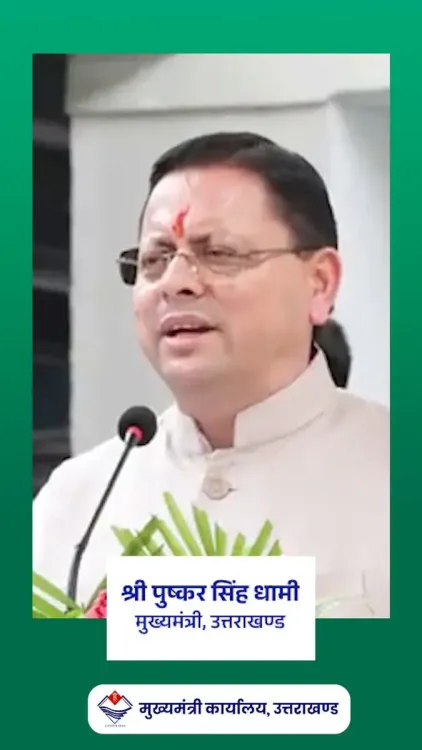
Uttarakhand Chief Minister Pushkar Singh Dhami on 14 July 2026 publicly declared the eternal permanence of Sanatan Dharma, reinforcing a pattern of cultural affirmations that his BJP-led government has paired with landmark legislation including India's first state-level Uniform Civil Code.
Key Takeaways
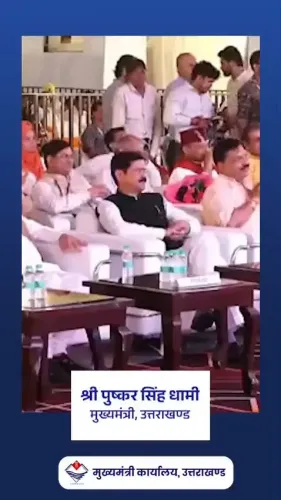
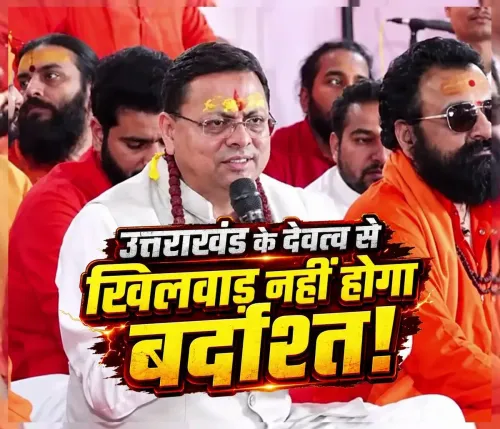
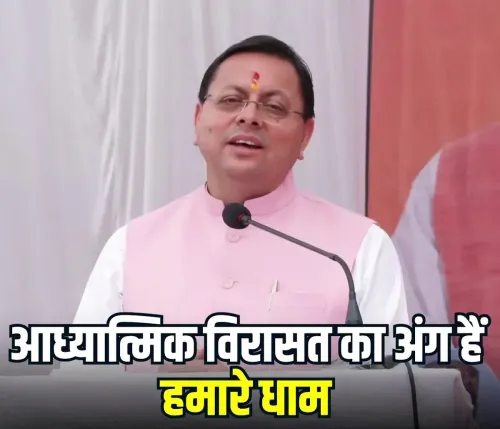
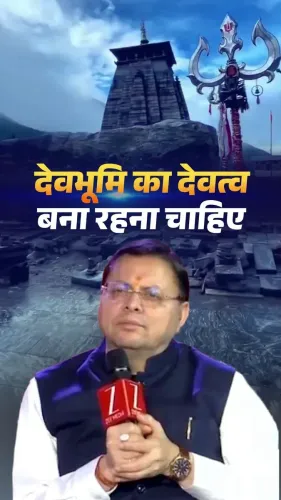
CM Pushkar Singh Dhami stated on 14 July 2026 that Sanatan Dharma 'was, is, and will always remain.' The statement was shared by the official Chief Minister's Office of Uttarakhand account on X, accompanied by a video.
Uttarakhand is home to major Hindu pilgrimage sites including Haridwar and the Char Dham shrines, amplifying the cultural weight of such remarks.
The Dhami government enacted the Prohibition of Unlawful Conversion of Religion Act in 2020 and passed India's first Uniform Civil Code in February 2024 .
BJP-led state governments have periodically issued public affirmations of Sanatan Dharma, often alongside substantive legislative action on personal law and religious conversion.
Analysts will monitor whether this statement precedes fresh policy directives on pilgrimage infrastructure or further UCC implementation milestones.
Chief Minister Pushkar Singh Dhami of Uttarakhand on Tuesday, 14 July 2026, publicly affirmed the eternal nature of Sanatan Dharma, declaring that it has always existed, exists today, and will continue to exist. The statement, shared by the Chief Minister's Office of Uttarakhand on X, accompanied a video and reflects a recurring theme in Dhami's public communication on Hindu cultural identity.
Context
The Chief Minister's quoted remark — 'सनातन था, सनातन है और सनातन रहने वाला है, हमेशा रहने वाला है' ('Sanatan was, Sanatan is, and Sanatan will remain — it will always remain') — is a declarative affirmation of the continuity and permanence of Sanatan Dharma, the broader philosophical and religious tradition that encompasses Hinduism. The statement carries both cultural and political weight in a state that is home to some of India's most revered pilgrimage sites.
Uttarakhand, often called the 'Land of Gods,' hosts major Hindu pilgrimage centres including Haridwar and the Char Dham shrines — Badrinath, Kedarnath, Gangotri, and Yamunotri. For CM Dhami, invoking Sanatan Dharma in this geography carries a resonance that extends well beyond the state's borders.
Policy Backdrop
The statement arrives against a backdrop of significant legislative action by the Dhami government on questions of religious and personal law. Uttarakhand enacted the Prohibition of Unlawful Conversion of Religion Act in 2020, one of the stricter such laws among Indian states, aimed at curbing what the government described as forced or fraudulent religious conversions.
More prominently, Uttarakhand became the first Indian state to pass a Uniform Civil Code in February 2024, a long-standing demand of Hindu nationalist politics. Together, these measures form a legislative framework that the BJP-led state government has positioned as consistent with its commitment to cultural and religious continuity — the same continuity CM Dhami's statement now articulates.
Stakeholders and Impact
The primary audience for such an affirmation is the Hindu community — both within Uttarakhand and nationally — for whom the idea of Sanatan Dharma as an indestructible tradition is a point of deep identity. Pilgrims, religious institutions, and cultural organisations in the state are natural stakeholders in any government messaging that centres Hindu heritage.
Periodic public affirmations of this kind by BJP chief ministers have become a recognisable pattern in Indian state politics, often functioning simultaneously as cultural messaging and as signals of ideological alignment with the national party platform. In Uttarakhand, where the economy is significantly shaped by religious tourism and pilgrimage infrastructure, such statements also carry an implicit economic dimension.
What's Next
Observers will watch whether this statement is followed by concrete policy announcements related to pilgrimage infrastructure, religious institutions, or further implementation milestones for the Uniform Civil Code in Uttarakhand. The Dhami government has consistently linked its cultural affirmations to legislative and administrative action, suggesting the statement may precede or accompany a specific policy move. As national conversations on religious identity continue to intensify ahead of future electoral cycles, CM Dhami's positioning of Uttarakhand as a standard-bearer of Sanatan values is likely to remain a central pillar of his public communication.
Point of View
Dhami signals continuity rather than novelty, framing his government's legislative record as an expression of civilisational truth rather than partisan policy. The timing, ahead of what are likely to be politically consequential months, suggests this is as much about consolidating a voter base as it is about cultural expression. Whether substantive policy follow-through accompanies the rhetoric will determine how durable this messaging proves to be.
NationPress
14 Jul 2026
Frequently Asked Questions
What did Uttarakhand CM Pushkar Singh Dhami say about Sanatan Dharma?
CM Pushkar Singh Dhami declared on 14 July 2026 that 'Sanatan was, Sanatan is, and Sanatan will remain — it will always remain,' affirming the eternal continuity of Sanatan Dharma.
What is Sanatan Dharma and why is it significant in Uttarakhand?
Sanatan Dharma is the ancient philosophical and religious tradition that encompasses Hinduism. Uttarakhand is considered especially significant because it hosts major pilgrimage centres including Haridwar and the Char Dham shrines, making it a spiritual heartland for followers of the tradition.
What laws has the Dhami government passed related to religion?
The Dhami government enacted the Prohibition of Unlawful Conversion of Religion Act in 2020 and, in February 2024, Uttarakhand became the first Indian state to pass a Uniform Civil Code.
Is CM Dhami's statement on Sanatan Dharma a new policy announcement?
No formal policy announcement accompanied the statement. It is a public cultural affirmation shared via the Chief Minister's Office on X, though observers are watching for related policy moves on pilgrimage infrastructure or UCC implementation.
Why do BJP-led state governments frequently affirm Sanatan Dharma?
BJP-led governments have consistently positioned Sanatan Dharma affirmations as expressions of their core ideological commitment to Hindu cultural continuity, often pairing such statements with legislative action on personal law and religious conversion to signal both symbolic and substantive intent.