CM Dhami Says Uttarakhand's Development Identity Is Transforming
Synopsis
Uttarakhand Chief Minister Pushkar Singh Dhami on 15 July 2026 declared on X that his government's continuous efforts are transforming the state's image and forging a new development identity, reinforcing the BJP's 'double engine' governance narrative ahead of the 2027 assembly elections.
Key Takeaways
CM Pushkar Singh Dhami posted on 15 July 2026 claiming Uttarakhand's image is changing through sustained government efforts.
Uttarakhand was formed on 9 November 2000 to address regional development gaps and shares borders with China and Nepal .
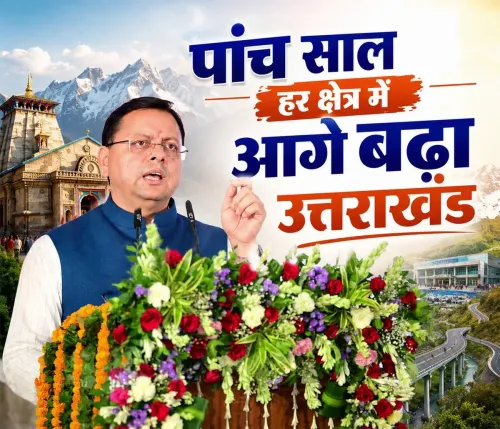
The Char Dham Pariyojana , approved in 2016 with an outlay exceeding Rs 12,000 crore , is a flagship connectivity project under Dhami's administration.
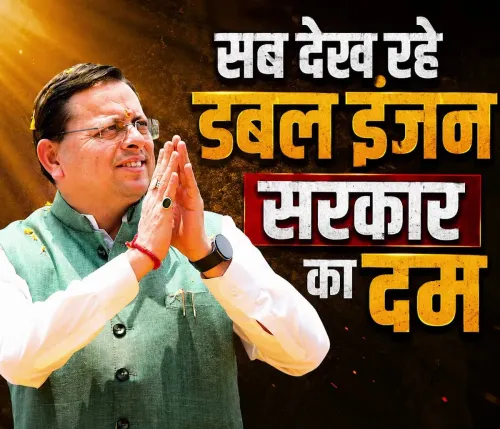
The BJP 's 'double engine' governance model frames coordinated central-state infrastructure delivery as a key electoral and policy message.
Uttarakhand assembly elections are scheduled for 2027 , making development credibility a central political priority for the ruling party.
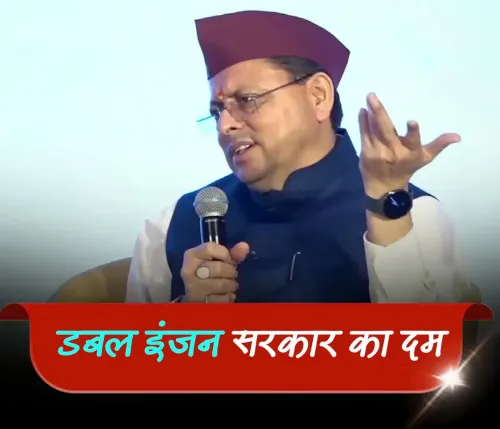
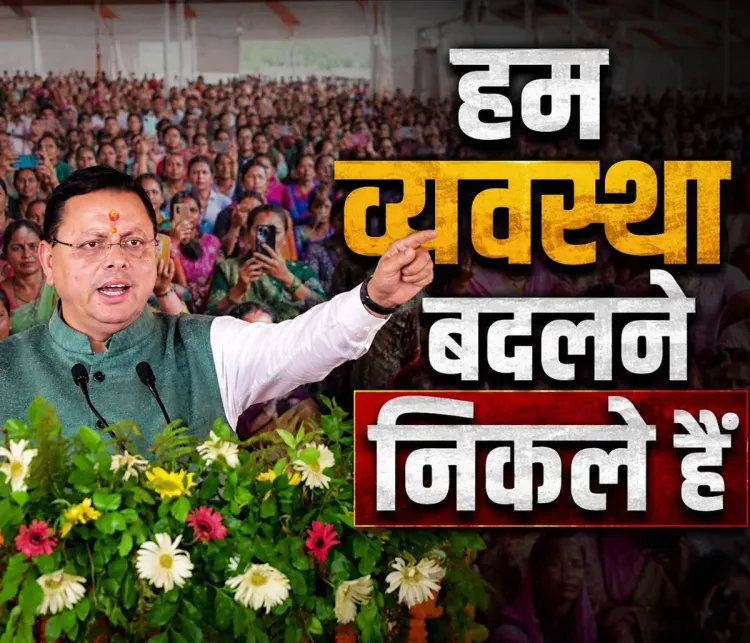
Uttarakhand Chief Minister Pushkar Singh Dhami on Wednesday, 15 July 2026, asserted that the state's image is changing and a new identity of development is being established, crediting sustained efforts by his government. The statement, shared on X alongside a video, underscores the BJP administration's continuing push to position Uttarakhand as a model of Himalayan governance.
Context
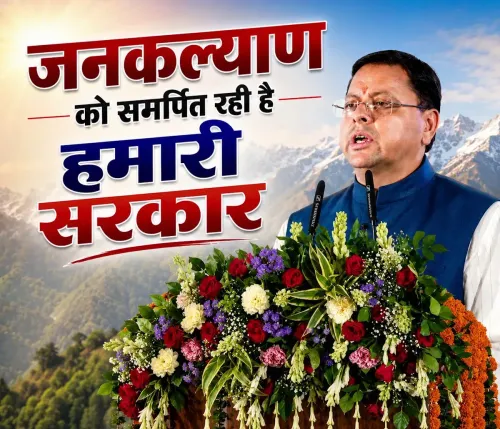
In his post, CM Dhami wrote: 'हमारी सरकार के निरंतर प्रयासों से आज उत्तराखंड की तस्वीर बदल रही है और विकास की नई पहचान स्थापित हो रही है' — translated as: 'Through the continuous efforts of our government, the picture of Uttarakhand is changing today and a new identity of development is being established.' The remark is a broad governance claim rather than an announcement of a specific scheme or project.
Uttarakhand, a Himalayan state carved out of Uttar Pradesh on 9 November 2000, was created to address long-standing regional development disparities. The state shares strategic borders with China and Nepal and is a major destination for pilgrimage tourism centred on the Char Dham circuit.
Policy Backdrop
Dhami was first sworn in as Chief Minister in July 2021 and retained office after the BJP won the 2022 state assembly elections. His administration has aligned closely with central government programmes, including the Char Dham Pariyojana — a flagship road-widening initiative connecting Badrinath, Kedarnath, Gangotri, and Yamunotri pilgrimage sites, approved in 2016 with an initial outlay exceeding Rs 12,000 crore.
The state has also drawn on central schemes such as the Pradhan Mantri Gram Sadak Yojana (PMGSY) and tourism circuit projects to improve border-area and rural connectivity. The BJP's 'double engine' governance model — meaning aligned ruling parties at both state and centre — has been a recurring frame for such messaging.
Stakeholders and Impact
The primary beneficiaries of Uttarakhand's infrastructure push are state residents, particularly those in remote hill districts who have historically faced poor road and utility access. The tourism and pilgrimage industry, which drives a significant share of the state economy, also stands to gain from improved all-weather connectivity to the Char Dham sites.
Pilgrims travelling to Badrinath, Kedarnath, Gangotri, and Yamunotri each year number in the millions, and road quality directly affects both safety and footfall. Border communities near China and Nepal are additionally targeted by strategic connectivity projects that serve both economic and national-security objectives.
What's Next
Uttarakhand is headed toward state assembly elections in 2027, making the next year a critical period for the Dhami government to demonstrate tangible development outcomes. The next central budget cycle will be closely watched for continued allocations toward Char Dham highway completion and other hill infrastructure projects.
How the administration translates broad development narratives into verifiable ground-level outcomes — particularly in connectivity, tourism revenue, and border-village welfare — will shape both public perception and the electoral contest ahead.
Point of View
Deploying broad transformation rhetoric on social media to consolidate voter confidence ahead of the 2027 Uttarakhand assembly elections. The absence of specific metrics or project milestones in the post is deliberate — it allows the message to function as an aspirational brand statement rather than an auditable claim. This pattern is consistent across BJP-ruled hill and border states, where infrastructure narratives serve dual purposes: domestic electoral consolidation and a signal of strategic intent along sensitive Himalayan frontiers. The real test will come when voters weigh this narrative against lived experience in the run-up to 2027.
NationPress
15 Jul 2026
Frequently Asked Questions
What did Uttarakhand CM Pushkar Singh Dhami say on X on 15 July 2026?
CM Dhami stated that through his government's continuous efforts, Uttarakhand's image is changing and a new identity of development is being established, sharing the message alongside a video on X.
What is the Char Dham Pariyojana and how does it relate to Uttarakhand's development?
The Char Dham Pariyojana is a central government road-widening project approved in 2016 with an outlay exceeding Rs 12,000 crore, aimed at creating all-weather connectivity to the four major pilgrimage sites — Badrinath, Kedarnath, Gangotri, and Yamunotri — in Uttarakhand.
When was Uttarakhand formed and why?
Uttarakhand was formed on 9 November 2000 as India's 27th state, carved out of Uttar Pradesh following a prolonged statehood agitation to address regional development disparities in the Himalayan region.
When is the next Uttarakhand assembly election?
The next Uttarakhand state assembly election is scheduled for 2027, making the intervening period critical for the Dhami government to demonstrate tangible development progress.
What is the BJP's 'double engine' government model in Uttarakhand?
The 'double engine' model refers to the BJP's argument that having the same party in power at both the state and central levels enables faster and better-coordinated delivery of infrastructure and development schemes, a frame the party uses prominently in Uttarakhand and other BJP-ruled states.