CM Dhami Sets Uttarakhand on Clean Energy, Green Transport Path
Synopsis
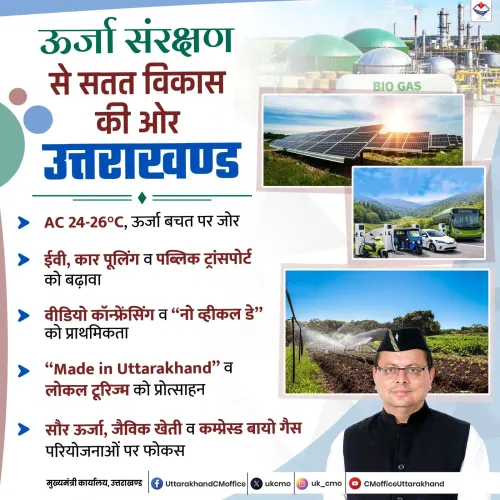
Chief Minister Pushkar Singh Dhami has declared that establishing Uttarakhand among India's leading states in sustainable development, clean energy, and green transport is his government's primary goal, leveraging the Himalayan state's vast hydropower base and aligning with India's post-2021 net-zero commitments.
Key Takeaways
CM Pushkar Singh Dhami stated on 9 August 2026 that leading in sustainable development, clean energy, and green transport is the Uttarakhand government's core goal.
Uttarakhand holds an estimated 20,000-plus MW of hydropower potential, giving it a structural renewable energy advantage.
The agenda explicitly includes green transport ( harit parivahan ), extending the clean-energy push beyond power generation to mobility.
The state's push aligns with India's post-2021 net-zero targets , making it eligible for central green investment and funding support.
Specific capacity targets and incentive structures are yet to be detailed in formal policy or budget documents.
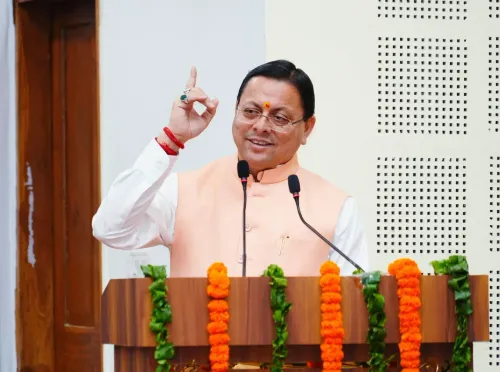
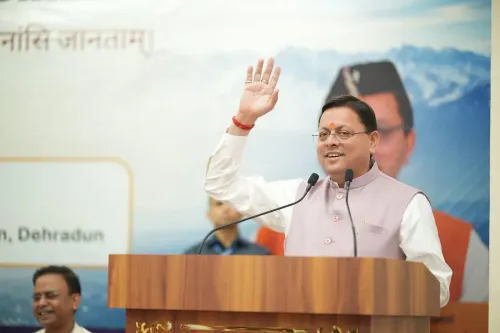
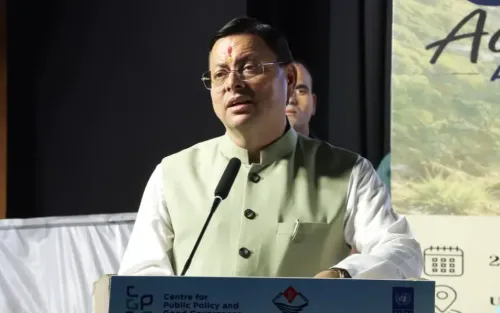
A Himalayan state sitting atop one of India's richest renewable energy reserves has just restated its ambition — loudly. Chief Minister Pushkar Singh Dhami on Sunday, 9 August 2026, declared that positioning Uttarakhand among the country's leading states in sustainable development, clean energy, and green transport is the core goal of his government.
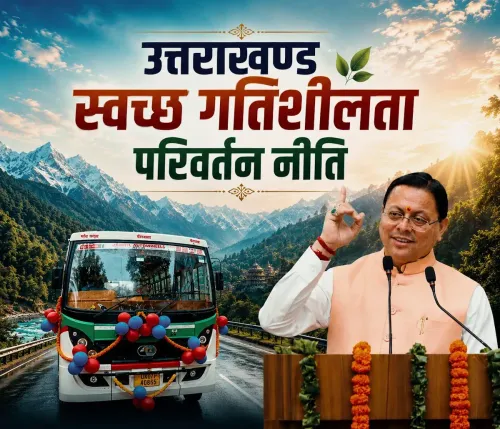
Sharing the statement on the Chief Minister's Office official account, Dhami said: 'Uttarakhand ko satat vikas aur swachh urja va harit parivahan ke kshetra mein desh ke agrani rajyon mein sthapit karna rajya sarkar ka lakshya hai' — 'It is the goal of the state government to establish Uttarakhand among the leading states of the country in the fields of sustainable development, clean energy, and green transport.'
A Himalayan State With a Renewable Head Start
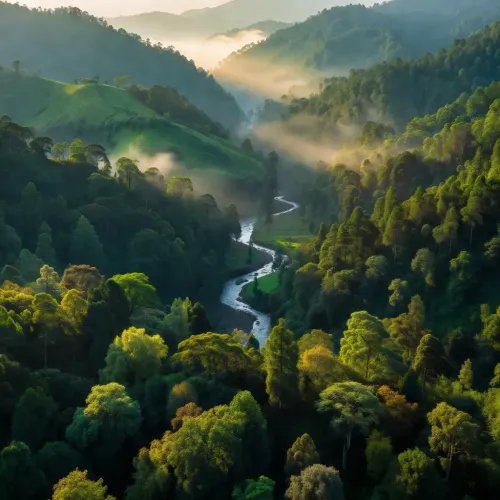
Uttarakhand is not starting from scratch. Carved out as a separate state in 2000, it was built around river systems that carry an estimated 20,000-plus MW of hydropower potential — one of the largest untapped reserves in the country. Successive state governments have pursued that potential through hydropower policy, but the current push broadens the frame: clean energy now includes solar and green mobility alongside hydro.
That broadening matters. India's post-2021 climate commitments set ambitious national net-zero targets, and states that align early gain access to central funding, green investment pipelines, and the reputational dividend of climate leadership. Uttarakhand's geography — high altitude, abundant water, relatively low industrial pollution — gives it a structural advantage other states lack.
Green Transport: The Other Half of the Equation
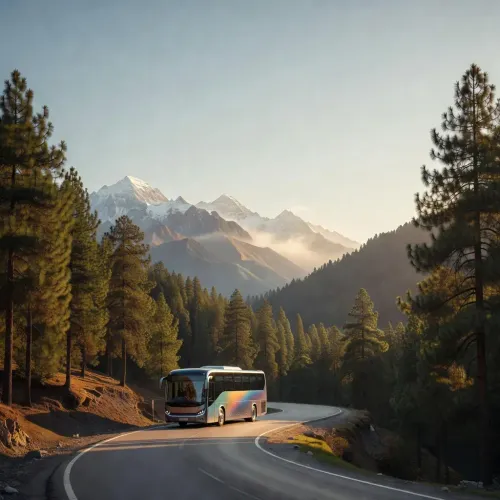
The explicit mention of harit parivahan — green transport — signals that the government's clean-energy agenda extends beyond power generation into how people and goods move across the state. Electric mobility in a mountainous state presents real engineering challenges, but it also represents a direct lever on local air quality and fuel import costs. For a tourism-dependent economy like Uttarakhand's, cleaner roads are also a brand promise.
Indian states are now in active competition for green investment and central support. Dhami's public restatement of this goal is both a policy signal to developers and a political marker — staking his government's identity to an outcome that will be measured in megawatts commissioned and electric vehicles on mountain roads.
The next test will come in budget documents and formal policy announcements: whether specific capacity targets, timelines, and incentive structures back the ambition. For now, the direction is set — and in India's clean-energy race, direction declared early is direction that attracts capital.
Point of View
Where geography doubles as political narrative. The real test is whether this declaration is followed by measurable targets in the next state budget, or remains aspirational rhetoric. If backed by concrete incentives for renewable developers and EV infrastructure, Uttarakhand's natural endowments could make the ambition credible.
NationPress
9 Aug 2026
Frequently Asked Questions
What is CM Dhami's clean energy goal for Uttarakhand?
Chief Minister Pushkar Singh Dhami has stated that his government's goal is to establish Uttarakhand among India's leading states in sustainable development, clean energy, and green transport.
How much hydropower potential does Uttarakhand have?
Uttarakhand is estimated to have over 20,000 MW of hydropower potential, rooted in its extensive Himalayan river systems, making it one of India's richest renewable energy reserves.
What does green transport mean in the context of Uttarakhand?
Green transport, or harit parivahan , refers to electric and low-emission mobility solutions. For Uttarakhand, this means reducing reliance on fossil-fuel vehicles across its mountainous terrain, improving air quality and supporting its tourism economy.
How does Uttarakhand's clean energy push connect to India's national climate goals?
India set ambitious net-zero targets after 2021 , and states that align their policies with these goals gain access to central funding and green investment. Uttarakhand's geography and renewable base position it well to benefit from this national framework.
When did Uttarakhand become a separate state?
Uttarakhand was formed as a separate state in 2000 , and has since pursued hydropower and sustainable development as central pillars of its economic identity.