CM Dhami transfers ₹11 cr to 4,400+ construction workers via DBT
Synopsis
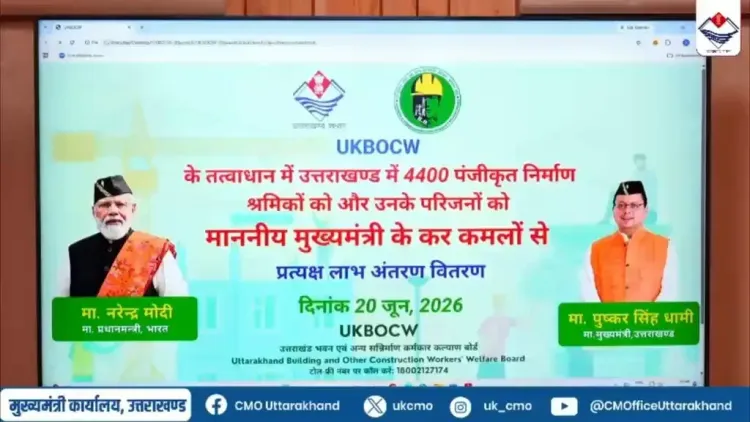
Chief Minister Pushkar Singh Dhami transferred approximately ₹11 crore via DBT to over 4,400 registered construction workers in Uttarakhand on 20 June 2026, under multiple schemes of the state's Building and Other Construction Workers Welfare Board.
Key Takeaways
₹11 crore transferred directly to construction workers' bank accounts via DBT on 20 June 2026 .
More than 4,400 workers registered with the Uttarakhand Building and Other Construction Workers Welfare Board received the funds.
The disbursement covered benefits under multiple welfare schemes , including health, education and maternity support.
The Board operates under the central Building and Other Construction Workers Act, 1996 , funded by a 1–2% cess on construction projects.
Uttarakhand has run its construction-worker welfare framework since 2005 , when state rules were notified.
DBT routing reduces intermediary leakages and ensures funds reach unorganised-sector workers directly.
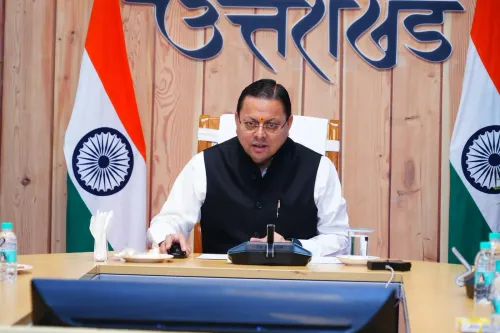
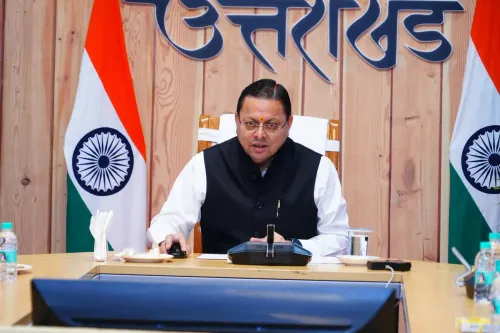
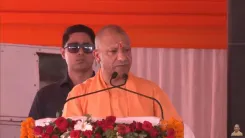
The Chief Minister's Office of Uttarakhand announced on Saturday, 20 June 2026, that Chief Minister Pushkar Singh Dhami transferred approximately ₹11 crore to the bank accounts of more than 4,400 construction workers through Direct Benefit Transfer (DBT), under various schemes of the Uttarakhand Building and Other Construction Workers Welfare Board.
Context
The official post stated that "DBT ke madhyam se lagbhag ₹11 crore ki sahayata rashi hastantarit ki" — roughly, 'assistance of approximately ₹11 crore was transferred through DBT' — directly into the accounts of over 4,400 labourers registered with the Board. The transfer covered benefits under multiple welfare schemes run by the Board, ranging from health and education support to maternity and tool subsidies.Policy Backdrop
The Uttarakhand Building and Other Construction Workers Welfare Board was constituted under the central Building and Other Construction Workers (Regulation of Employment and Conditions of Service) Act, 1996, which mandated every state to establish a welfare board funded by a cess of 1–2 per cent levied on construction project costs. Uttarakhand notified its own rules under this framework in 2005 and has since registered construction labourers to receive benefits including medical aid, educational scholarships for workers' children, and maternity assistance. The use of DBT for disbursing these funds aligns with a broader national push, accelerated since the mid-2010s, to route welfare payments directly to beneficiaries and cut intermediary leakages in the unorganised sector.Stakeholders and Impact
The primary beneficiaries are registered construction workers across Uttarakhand — a category that includes masons, carpenters, labourers, and other workers engaged in building and infrastructure projects in a state that has seen sustained construction activity tied to road, hydropower, and urban development programmes. For workers in the unorganised sector, DBT-based transfers reduce dependence on middlemen and ensure that welfare amounts reach intended recipients without delay. The ₹11 crore disbursement across more than 4,400 accounts signals an average benefit of roughly ₹25,000 per worker in this particular tranche, though the actual amounts would vary by scheme and eligibility.What's Next
The scale of this disbursement is likely to prompt scrutiny in the state assembly over the overall utilisation rate of the Board's accumulated cess fund and the pace of worker registration drives. With the next financial year approaching, the Dhami government may face questions on whether the Board is covering an adequate share of the state's estimated construction workforce. Expanded outreach to register informal workers — particularly those employed on smaller private construction sites — remains a standing challenge for the Board and could determine the reach of future DBT tranches.Point of View
And fits a pattern of state governments using cess-funded boards as a low-controversy vehicle for pre-budget or mid-year welfare optics. For CM Dhami, who has positioned labour welfare alongside infrastructure as twin pillars of his administration, the scale of the disbursement — over 4,400 beneficiaries in a single tranche — offers a concrete metric to cite in political messaging. The underlying policy question, however, is whether registration under the Board is keeping pace with the actual size of the state's construction workforce, particularly on smaller private sites that often escape formal cess collection. If utilisation of the cess fund remains uneven, larger and more frequent DBT rounds may also attract assembly-level demands for an independent audit of the Board's accounts.
NationPress
20 Jun 2026
Frequently Asked Questions
What is the Uttarakhand Building and Other Construction Workers Welfare Board?
It is a statutory body constituted under the central Building and Other Construction Workers Act, 1996, to collect a cess from construction projects and run welfare schemes — covering health, education, maternity and tool subsidies — for registered construction labourers in Uttarakhand.
How much money did CM Dhami transfer to construction workers in June 2026?
Chief Minister Pushkar Singh Dhami transferred approximately ₹11 crore to the bank accounts of more than 4,400 registered construction workers via Direct Benefit Transfer on 20 June 2026.
What is DBT and why is it used for labour welfare payments?
Direct Benefit Transfer (DBT) is a government mechanism that routes subsidy and welfare payments directly into beneficiaries' bank accounts, cutting out intermediaries and reducing the risk of leakages or delays in fund delivery.
Who qualifies for benefits under the Uttarakhand construction workers welfare scheme?
Workers engaged in building and other construction activities — including masons, carpenters, labourers and allied trades — who are formally registered with the Uttarakhand Building and Other Construction Workers Welfare Board are eligible for the Board's welfare benefits.
What schemes are covered under this welfare board disbursement?
The Board runs multiple schemes covering medical assistance, educational scholarships for workers' children, maternity benefits and tool subsidies; the June 2026 DBT transfer distributed funds across several of these schemes simultaneously.