CM Dhami transfers ₹11 crore to 4,400 construction workers via DBT
Synopsis
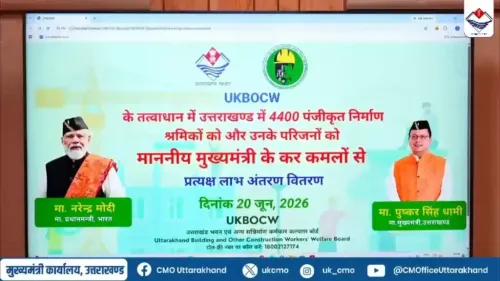
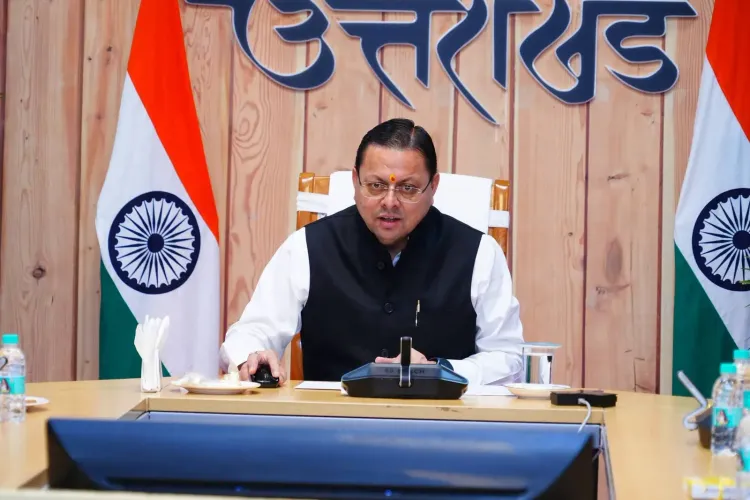
Uttarakhand CM Pushkar Singh Dhami disbursed ₹11 crore to 4,400 registered construction workers via DBT on 20 June 2026, directing officials to hold district camps to widen scheme coverage under the state's BOCW Welfare Board.
Key Takeaways
₹11 crore in financial assistance was transferred via DBT to 4,400 construction workers and their dependants in a single disbursement event.
Funds were routed through the Uttarakhand Building and Other Construction Workers Welfare Board , a statutory body under the central BOCW Act, 1996 .
CM Dhami directed officials to conduct awareness camps across districts to enrol more eligible workers into the welfare schemes.
The state's approach emphasises transparency and speed of delivery through the DBT platform to minimise leakage.
Uttarakhand notified its BOCW rules in 2005 and has progressively digitised benefit delivery for the unorganised construction sector.
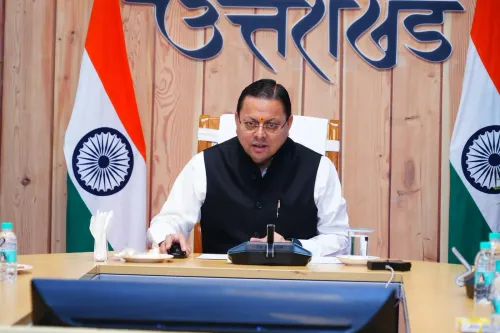
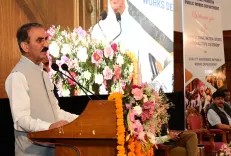
Uttarakhand Chief Minister Pushkar Singh Dhami on Saturday, 20 June 2026, disbursed financial assistance worth approximately ₹11 crore to 4,400 registered construction workers and their dependants through the Direct Benefit Transfer (DBT) platform, operating from his official residence in Dehradun. The funds were channelled through the Uttarakhand Building and Other Construction Workers Welfare Board under multiple welfare schemes aimed at the social and economic empowerment of unorganised-sector labour and their families.
Context
Addressing officials at the event, CM Dhami directed that the worker welfare schemes be publicised widely and that camps be organised across districts so that a larger number of eligible workers can access benefits. In his post, he stated — 'हमारी सरकार श्रमिकों को राज्य की विकास यात्रा का सशक्त आधार मानते हुए उनके सर्वांगीण कल्याण के लिए निरंतर कार्य कर रही है' ('Our government, treating workers as the strong foundation of the state's development journey, is continuously working for their all-round welfare'). He added that benefits are being made available in a 'transparent and swift manner' to improve living standards and ensure a 'dignified and secure future' for workers and their families.
Policy Backdrop
The disbursement draws on the statutory framework of the Building and Other Construction Workers (Regulation of Employment and Conditions of Service) Act, 1996, which mandates state governments to establish welfare boards and collect a cess from construction projects to fund worker benefits. Uttarakhand notified its rules under the Act in 2005 and subsequently set up the state Welfare Board. The DBT mechanism, a central government platform for direct electronic transfer of cash benefits, is used here to reduce leakage and ensure that funds reach beneficiaries' bank accounts without intermediaries.
Stakeholders and Impact
The immediate beneficiaries are the 4,400 construction workers and their dependants registered with the Uttarakhand Building and Other Construction Workers Welfare Board who received assistance under various schemes in this disbursement cycle. Across India, unorganised construction labour has historically faced low awareness of entitlements and poor utilisation of cess funds accumulated by state boards. Uttarakhand's emphasis on field camps and outreach mirrors efforts in other high-construction states to bridge the gap between registered workers and the schemes they are entitled to access.
What's Next
Officials have been instructed to roll out registration and awareness camps across multiple districts in the coming weeks to enrol additional eligible workers and expand scheme coverage. Analysts tracking labour welfare in hill states will watch whether the state assembly's next session carries supplementary budget provisions or scheme revisions that could further scale the board's outreach. The direction to hold district-level camps signals a push to convert cess-fund accumulations into active, measurable welfare delivery ahead of the state's next policy review cycle.
Point of View
Combining a concrete monetary action with a directive for grassroots outreach camps — a formula that maximises both delivery and visibility. The use of DBT allows the administration to point to auditable, direct transfers as evidence of anti-leakage governance, a narrative the ruling party has deployed nationally. By framing registered construction workers as the 'strong foundation' of the state's development journey, CM Dhami is also attempting to link infrastructure ambitions with labour welfare, a politically resonant connection in a state that has seen significant construction activity tied to roads, hydro projects, and the char dham corridor. The camp-based outreach directive suggests the board's registration base still has room to grow, and expanding it before the next assembly session could translate into a larger headline disbursement figure.
NationPress
20 Jun 2026
Frequently Asked Questions
How much money did CM Dhami distribute to construction workers in June 2026?
CM Pushkar Singh Dhami transferred approximately ₹11 crore to 4,400 registered construction workers and their dependants via DBT on 20 June 2026 .
What is the Uttarakhand Building and Other Construction Workers Welfare Board?
It is a statutory body set up by Uttarakhand under the central BOCW Act, 1996 to register construction workers and administer welfare schemes funded by a cess levied on construction projects.
What is DBT and why is it used for worker welfare payments?
Direct Benefit Transfer (DBT) is a central government platform that transfers cash assistance directly into beneficiaries' bank accounts, reducing leakage and ensuring faster, transparent delivery of welfare funds.
Who is eligible to receive benefits from Uttarakhand's BOCW Welfare Board?
Construction workers registered with the Uttarakhand Building and Other Construction Workers Welfare Board and their dependants are eligible for financial assistance under various welfare schemes administered by the board.
What did CM Dhami instruct officials to do after the DBT event?
CM Dhami directed officials to widely publicise the worker welfare schemes and organise camps across different districts to register more eligible workers and ensure maximum coverage of the available benefits.