CM Dhami Urges Devotees: Protect Dignity of Sacred Sites
Synopsis
Chief Minister Pushkar Singh Dhami, through the official CMO account on 23 June 2026, called on citizens to honour the sanctity of religious places and avoid acts that could harm personal dignity or religion, reflecting Uttarakhand's ongoing push to balance pilgrimage promotion with devotee conduct.
Key Takeaways
CM Pushkar Singh Dhami issued a public appeal on 23 June 2026 urging citizens to maintain dignity at religious sites.
The statement was shared via the official Chief Minister's Office of Uttarakhand account on X.
Uttarakhand's economy is deeply tied to religious tourism, including the Char Dham circuit and Haridwar .
The appeal aligns with the state's legislative record, including the Uttarakhand Freedom of Religion Act, 2022 and the Uniform Civil Code, 2024 .
The statement reflects a pattern in BJP -governed states of pairing pilgrimage promotion with messaging on responsible conduct at sacred sites.
Preparations for the 2027 Char Dham yatra season are expected to bring renewed focus on crowd management and devotee guidelines.
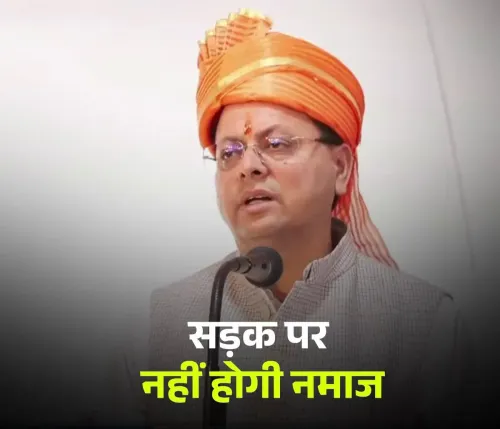
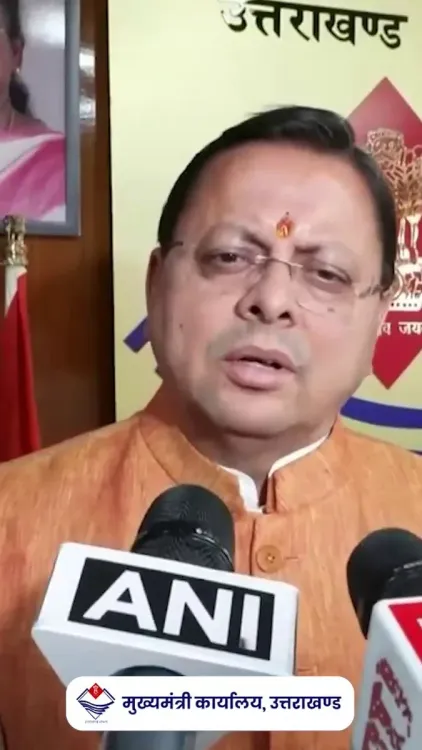
The Chief Minister's Office of Uttarakhand, on behalf of Chief Minister Pushkar Singh Dhami, issued a public appeal on Tuesday, 23 June 2026, urging citizens to conduct themselves with restraint and reverence at religious sites across the state.
Sharing the Chief Minister's words, the official post quoted: 'हमारे सभी धार्मिक स्थल आस्था, श्रद्धा और प्रेरणा के केंद्र हैं। हम ऐसा कृत्य न करें, जिससे हमारी खुद की ही गरिमा कम हो या धर्म को हानि पहुंचे।' — translated: 'All our religious places are centres of faith, devotion, and inspiration. Let us not engage in any act that diminishes our own dignity or causes harm to religion.'
Context
Uttarakhand is home to some of India's most visited Hindu pilgrimage destinations, including the Char Dham circuit — Badrinath, Kedarnath, Gangotri, and Yamunotri — as well as the sacred city of Haridwar. These shrines draw millions of pilgrims annually, making the management of devotee conduct a recurring concern for the state administration. CM Dhami's statement, issued through the official Chief Minister's Office account, reflects a broader emphasis on self-regulation and decorum at places of worship.
Policy Backdrop
Uttarakhand has, under the current administration, enacted several measures aimed at protecting religious identity and cultural practices. The Uttarakhand Freedom of Religion Act, 2022, introduced stricter oversight of religious conversions, while the Uniform Civil Code, passed in 2024, was framed in part as a safeguard for traditional social and religious practices. These legislative moves have been paired with consistent public messaging from CM Dhami urging citizens and pilgrims to uphold the sanctity of sacred spaces. The appeal follows a broader pattern seen across BJP-governed states, where promotion of religious tourism is balanced with calls discouraging conduct — including vigilantism or inflammatory behaviour — that could harm communal harmony or the image of pilgrimage destinations.
Stakeholders and Impact
The statement is directed primarily at pilgrims, local residents, and temple committees responsible for the day-to-day management of religious sites. For the state's economy, which is heavily dependent on religious tourism, maintaining the reputation of its shrines as peaceful and spiritually uplifting destinations is a material concern. Any incident at a major pilgrimage site can have immediate consequences for footfall, revenue, and the state's image as a safe destination for devotees. The appeal signals that the administration is attentive to conduct at these sites even outside peak pilgrimage seasons.
What's Next
With preparations for the 2027 Char Dham yatra season expected to begin in the coming months, crowd-management protocols and devotee conduct guidelines are likely to receive renewed administrative attention. Any new executive orders on temple trust governance or pilgrimage infrastructure will be closely watched by both religious bodies and tourism stakeholders. CM Dhami's public appeal may also be a precursor to more formal guidelines or advisories issued to district administrations ahead of the next major yatra cycle.
Point of View
Locals, and temple bodies that the administration expects decorum at religious sites. Issued through the official CMO channel, the statement carries institutional weight beyond a personal remark. It fits a recognisable pattern in which BJP-led state governments use soft-power messaging to pre-empt conduct that could generate controversy at high-visibility pilgrimage destinations. With the Char Dham yatra drawing ever-larger crowds and the state's religious tourism revenues at stake, such appeals are as much economic governance as they are cultural stewardship.
NationPress
23 Jun 2026
Frequently Asked Questions
What did CM Pushkar Singh Dhami say about religious sites on 23 June 2026?
CM Dhami stated that all religious places are centres of faith, devotion, and inspiration, and urged citizens not to engage in any act that diminishes their own dignity or causes harm to religion.
Why did the Uttarakhand CMO issue this appeal?
The Chief Minister's Office issued the appeal to remind pilgrims and citizens to maintain reverence and self-restraint at sacred sites, in keeping with the state's broader emphasis on protecting the sanctity of its pilgrimage destinations.
Which religious sites does Uttarakhand manage?
Uttarakhand oversees major Hindu pilgrimage sites including the Char Dham circuit — Badrinath, Kedarnath, Gangotri, and Yamunotri — as well as Haridwar, which together attract millions of pilgrims each year.
What laws has Uttarakhand passed to protect religious practices?
Uttarakhand enacted the Uttarakhand Freedom of Religion Act, 2022 , which tightened oversight of religious conversions, and passed a Uniform Civil Code in 2024, both framed as measures to protect traditional religious and social practices.
What is the significance of this statement ahead of the Char Dham yatra?
With the 2027 Char Dham yatra season approaching, the statement signals that the Dhami administration intends to maintain close attention to devotee conduct and may issue formal guidelines to district administrations in the coming months.