CM Dhami: No right to disrupt public order in religion's name
Synopsis
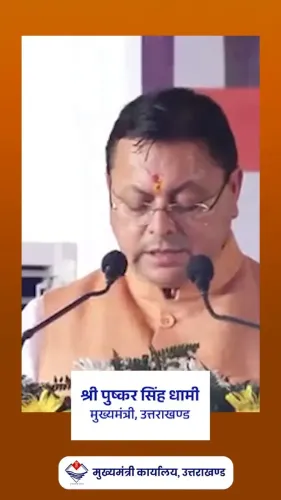
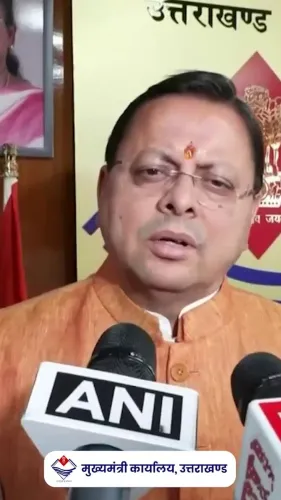
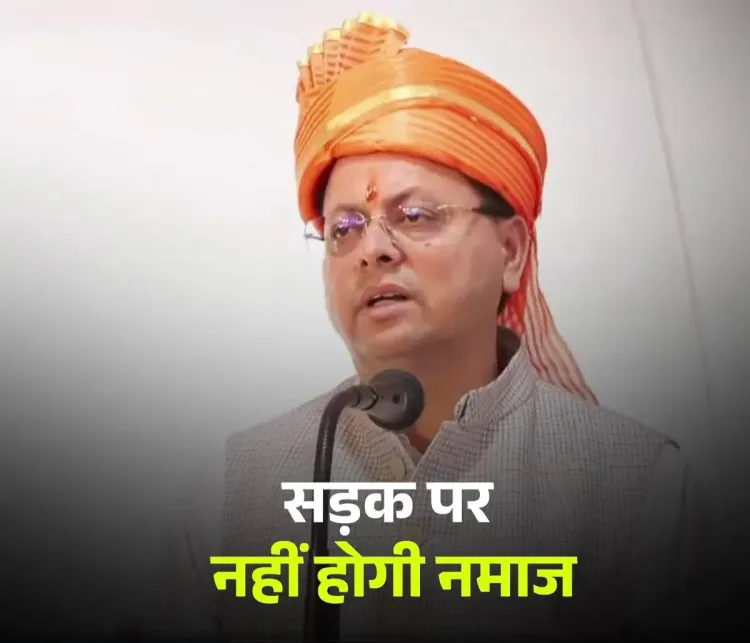
Uttarakhand CM Pushkar Singh Dhami has declared that no one can be permitted to disrupt public order or inconvenience citizens under the pretext of religious faith — a firm governance signal ahead of the peak Himalayan pilgrimage season.
Key Takeaways
CM Pushkar Singh Dhami stated on 24 May 2026 that religious faith cannot justify disruption of public order or civic convenience.
The directive applies to all individuals and groups without exception, regardless of religious affiliation.
Uttarakhand hosts major pilgrimage circuits — Char Dham and Haridwar — that draw lakhs of visitors each season, creating recurring civic management challenges.
The Indian Constitution's Article 25 explicitly permits reasonable state restrictions on religious practice in the interest of public order.
District administrations and police are implicitly directed to enforce civic rules during religious events without leniency.
Executive guidelines and possible judicial review from affected religious groups are anticipated as follow-on developments.
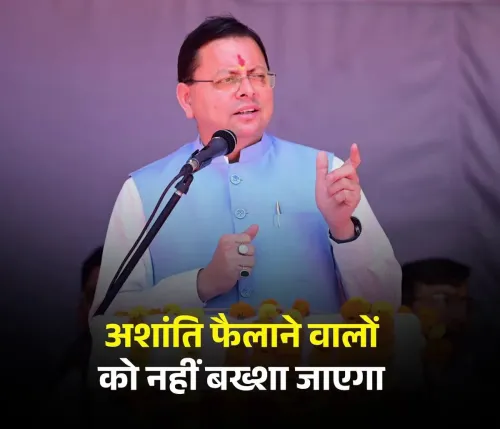
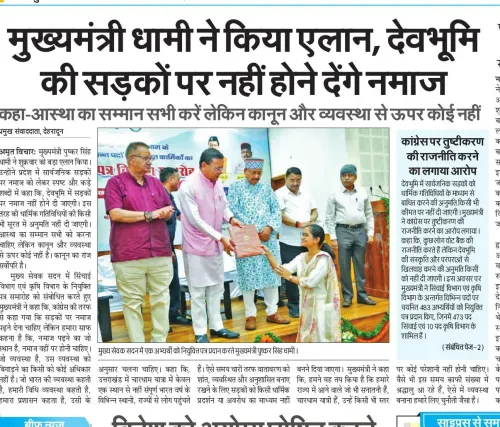
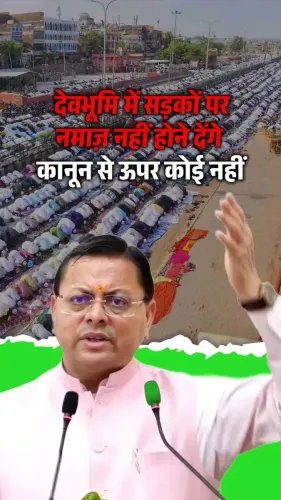
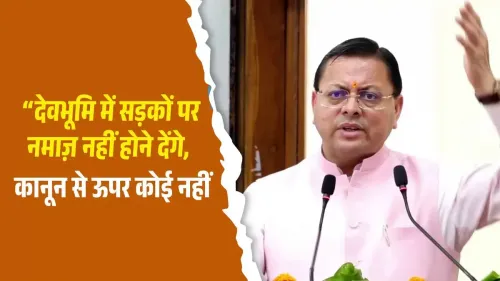
Uttarakhand Chief Minister Pushkar Singh Dhami issued a firm public directive on Sunday, 24 May 2026, asserting that no individual or group can be permitted to obstruct public order or inconvenience ordinary citizens under the pretext of religious faith.
Context
Posting on X in Hindi, CM Dhami stated: 'Dharmik aastha ke naam par sarvajanik vyavastha aur aamjan ki suvidha ko badhit karne ka adhikar kisi ko nahin diya ja sakta' — 'No one can be given the right to disrupt public order and the convenience of common people in the name of religious faith.' The statement was direct and unambiguous, addressed to the general public rather than any specific agency.
Though the post did not reference a specific incident, the message carries clear administrative weight coming from the chief minister of a state that hosts some of India's most heavily attended pilgrimage circuits, including Char Dham and Haridwar.
Policy Backdrop
Under Article 25 of the Indian Constitution, the right to religious practice is subject to reasonable restrictions in the interest of public order, morality, and health. State governments across India have consistently invoked this provision when religious processions, gatherings, or events spill into public roads and spaces, causing disruption to traffic and civic life.
Uttarakhand administrations have historically deployed traffic-management and crowd-control measures during major yatra seasons, when lakhs of pilgrims converge on mountain highways that are the only arterial routes for local residents and emergency services. CM Dhami's statement fits squarely within this established governance pattern, signalling that the administration intends to hold the line on civic order even during periods of peak religious activity.
Similar positions have been articulated by chief ministers in other states — including several BJP-governed ones — when the intersection of religious events and daily civic life has generated public complaints or administrative strain.
Stakeholders and Impact
The directive has implications for two broad groups: the millions of pilgrims who travel to Uttarakhand each year for yatras and festivals, and the permanent residents of towns such as Haridwar, Rishikesh, and gateway towns along the Char Dham route who bear the brunt of seasonal congestion.
Local residents have long raised concerns about roads being blocked for extended periods during religious processions, affecting access to hospitals, schools, and markets. The chief minister's public statement signals that district administrations and law-enforcement agencies are expected to enforce existing rules without exception, regardless of the religious character of the gathering.
Religious organisations and pilgrimage operators are likely to take note of the directive as they plan processions and congregations ahead of the summer yatra season.
What's Next
The statement is expected to be followed by operational guidelines from the Uttarakhand administration to district collectors and police superintendents, spelling out permissible routes, timings, and size limits for religious gatherings on public roads. Any such executive orders could also face scrutiny in the Uttarakhand High Court if affected groups seek judicial review.
With the peak pilgrimage season underway in the Himalayan state, how district authorities translate this political signal into ground-level enforcement will be the real test of the directive's impact.
Point of View
Where the overlap of religious activity and civic infrastructure has historically strained local administration. By framing the message around citizen convenience rather than targeting any specific religious community, Dhami insulates the directive from accusations of bias while reinforcing the state's authority to regulate public spaces. The statement also fits a broader pattern among BJP chief ministers of asserting strong administrative control in states with high religious tourism, balancing their party's Hindu-nationalist base with the practical demands of governance. The real measure of the directive's seriousness will lie in whether it produces concrete, enforceable guidelines — or remains a rhetorical signal.
NationPress
19 Sept 2026
Frequently Asked Questions
What did Uttarakhand CM Dhami say about religious gatherings blocking roads?
CM Pushkar Singh Dhami stated on 24 May 2026 that no one can be given the right to disrupt public order or inconvenience common citizens in the name of religious faith, signalling strict enforcement during religious events in the state.
Does the Indian Constitution allow restrictions on religious processions?
Yes. Article 25 of the Indian Constitution guarantees freedom of religion but explicitly permits the state to impose reasonable restrictions in the interest of public order, morality, and health — the legal basis for regulating religious gatherings on public roads.
Which pilgrimage sites in Uttarakhand cause major traffic and crowd issues?
The Char Dham circuit — comprising Yamunotri, Gangotri, Kedarnath, and Badrinath — along with Haridwar and Rishikesh, are the primary sites where lakhs of pilgrims converge each year, frequently causing congestion on mountain highways.
Is Dhami's statement targeted at a specific religion or community?
The post does not name any specific religion or community. The directive is framed in general terms, applying to all religious groups equally, in line with constitutional provisions on public order.
What action is expected after CM Dhami's statement on public order?
District administrations and police in Uttarakhand are expected to receive operational directives translating the chief minister's statement into enforceable rules on procession routes, timings, and crowd sizes ahead of the peak yatra season.