CM Dhami: Uttarakhand among NEP 2020 front-runners
Synopsis
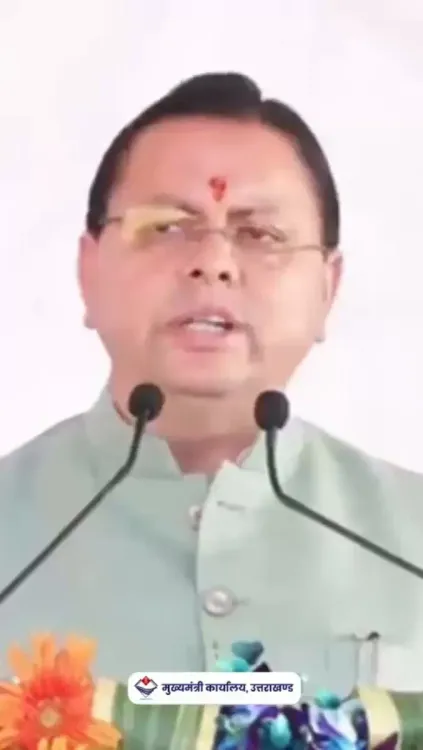
Chief Minister Pushkar Singh Dhami has declared Uttarakhand among India's front-running states in implementing NEP 2020 — the country's first major education overhaul in 34 years — positioning the hill state as a model for curriculum reform, vocational integration, and multilingual instruction.
Key Takeaways
CM Pushkar Singh Dhami claimed on 29 September 2026 that Uttarakhand is among India's leading states in NEP 2020 implementation.
NEP 2020 was approved in July 2020 , replacing India's 1986 education policy after a 34-year gap.
Key NEP pillars include mother-tongue instruction, vocational training from Class 6 , and a four-year undergraduate structure.
Multiple states have been in a phased rollout race since 2021 , with the Ministry of Education tracking state-wise progress.
Specific rankings cited by the CM's office are subject to verification through official Ministry of Education implementation reports.
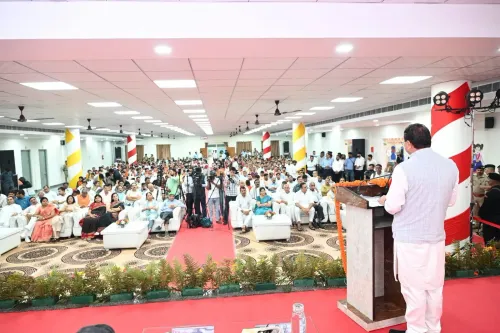
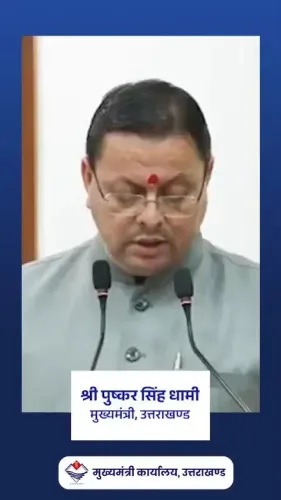
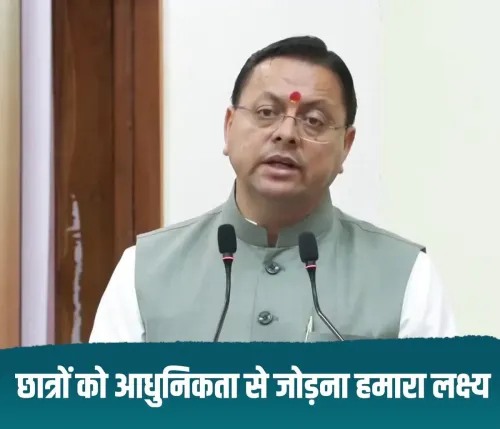
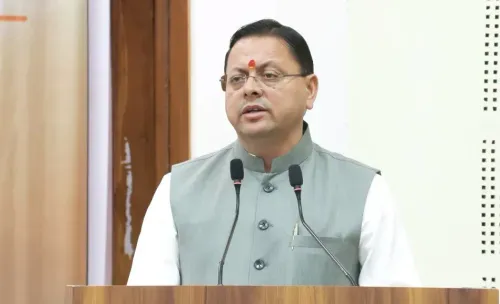
A hill state is making a claim that cuts through the noise of India's education reform debate. Chief Minister Pushkar Singh Dhami declared on Tuesday, 29 September 2026 that Uttarakhand stands among the leading states in the country in implementing the National Education Policy (NEP) 2020 — positioning the state as a benchmark, not a follower, in one of independent India's most ambitious overhauls of learning.
What CM Dhami said — and what NEP 2020 actually demands
The Chief Minister's Office posted on X, quoting Dhami as saying: 'Nayi Shiksha Niti laagu karne mein Uttarakhand desh ke agrani rajyon mein raha hai' — 'Uttarakhand has been among the leading states of the country in implementing the New Education Policy.' The statement signals a deliberate effort by the BJP-led state government to frame Uttarakhand's education trajectory as a model worth watching.
NEP 2020, approved by the Union Cabinet in July 2020, was India's first comprehensive education overhaul in 34 years, replacing a policy that dated to 1986. Its pillars include mother-tongue instruction in early years, multidisciplinary learning, vocational training from Class 6, and a restructured four-year undergraduate framework — changes that demand significant curriculum revision, teacher retraining, and institutional realignment at the state level.
Uttarakhand's push inside a national race
Since 2021, multiple states across India have announced phased NEP rollouts, creating an implicit competition for pace and depth of adoption. The Ministry of Education periodically publishes state-wise implementation assessments, and the rankings carry political weight — a state that moves quickly on NEP signals administrative capacity and alignment with the Centre's reform agenda.
Uttarakhand, formed in 2000 as a dedicated hill state, has consistently sought to align its education framework with national priorities. With a relatively compact school system compared to larger plains states, it has the structural advantage of faster rollout — but also the challenge of difficult terrain, teacher shortages in remote areas, and limited higher-education infrastructure.
The key stakeholders watching this claim closely are the state's school students, higher education institutions, and the state education department — all of whom will feel the downstream effects of how genuinely the new curriculum, examination reforms, and vocational integration take root.
The verification gap — and why it matters
Dhami's claim of Uttarakhand being among the 'leading states' is a political assertion made from the Chief Minister's own office. Specific rankings and post-implementation metrics cited in such statements are subject to independent verification through Ministry of Education reports, which track curriculum adoption rates, teacher training completion, and board examination restructuring. Those granular numbers will determine whether the claim holds as a governance achievement or remains an aspiration.
What to watch: any Uttarakhand-specific curriculum notification, board examination restructuring announcement, or Ministry of Education state-ranking report in the coming academic cycle will either substantiate or complicate the CM's positioning.
Uttarakhand has staked its education identity on being ahead of the curve. Now the data has to catch up.
Point of View
But the political assertion now sets a benchmark the state must defend with verifiable data. The Ministry of Education's periodic state rankings will be the real arbiter, and any gap between the claim and those numbers could become opposition fodder. The broader pattern — states racing to demonstrate NEP compliance — reflects how central education policy has become a front in India's competitive federalism.
NationPress
29 Sept 2026
Frequently Asked Questions
What is NEP 2020 and why does it matter?
The National Education Policy 2020 is India's first major education reform in 34 years, replacing the 1986 policy. It introduces mother-tongue instruction, vocational training from Class 6, multidisciplinary learning, and a restructured four-year undergraduate programme across schools and colleges.
What has CM Dhami said about Uttarakhand's NEP implementation?
Chief Minister Pushkar Singh Dhami stated on 29 September 2026 that Uttarakhand has been among the leading states in the country in implementing the New Education Policy, positioning the state as a front-runner in the national rollout.
Which states are leading in NEP 2020 implementation?
Multiple states have announced phased NEP 2020 rollouts since 2021. The Ministry of Education periodically publishes state-wise implementation assessments; specific rankings vary by metric and reporting period.
When was NEP 2020 approved by the Indian government?
The National Education Policy 2020 was approved by the Union Cabinet in July 2020, making it India's first comprehensive education overhaul since the 1986 policy.
What should I watch for next on Uttarakhand's NEP progress?
Key indicators to track include Uttarakhand-specific curriculum notifications, board examination restructuring announcements, teacher training completion data, and the Ministry of Education's next state-wise NEP implementation report.