CM Dhami: Women's true respect lies in self-reliance
Synopsis
Chief Minister Pushkar Singh Dhami, quoted by Uttarakhand's CMO on November 15, 2026, declared that genuine respect for women demands self-reliance, leadership access in every field, equal opportunity, and priority given to their decisions — framing women's empowerment as a core governance commitment.
Key Takeaways
CM Pushkar Singh Dhami stated on November 15, 2026 that women's true respect lies in making them self-reliant.
His statement calls for women to receive leadership opportunities across every field and to access equal opportunity.
Dhami specifically emphasised that women's decisions must be prioritised and their talent formally recognised.
The statement aligns with the National Mission for Empowerment of Women and ongoing state-level self-help group frameworks.
Observers will watch the next Uttarakhand assembly session and state budget for concrete scheme allocations backing this language.
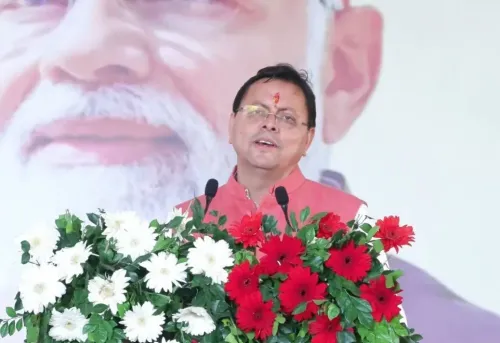
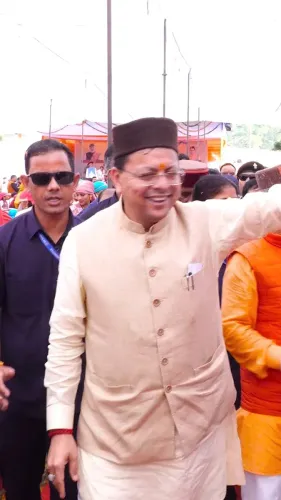
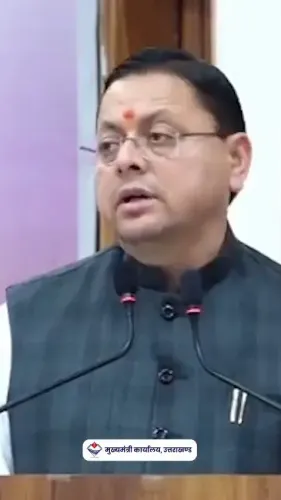
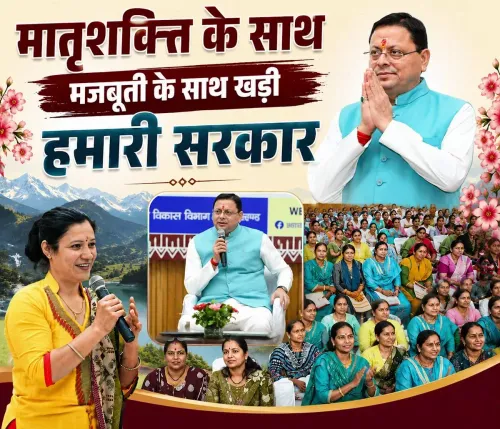
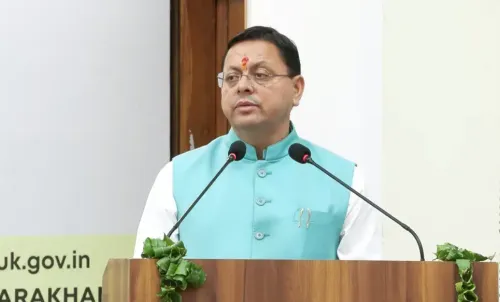
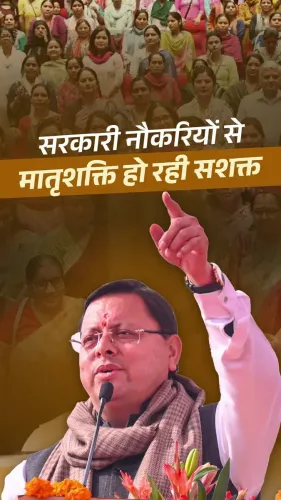
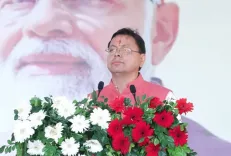
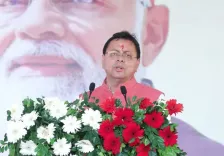
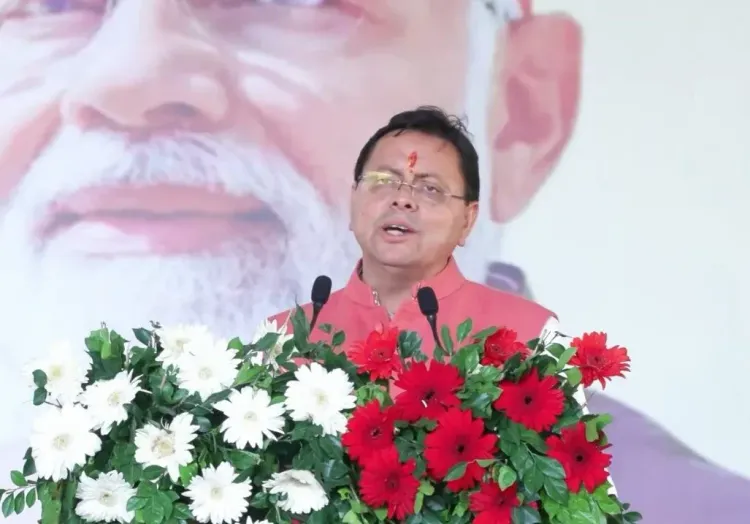
True respect for women, Uttarakhand Chief Minister Pushkar Singh Dhami said on Sunday, November 15, 2026, is not symbolic — it is structural: give women the tools to stand on their own, the chance to lead in every field, and the equal opportunity to be heard.
Quoted by the Chief Minister's Office of Uttarakhand on X, Dhami's statement reads: 'Naari ka vastvik sammaan tabhi hai, jab unhe aatmnirbhar banaya jaye, har kshetra mein netritva karne aur saman avsar prapt karne ka mauka mile.' — 'A woman's true respect exists only when she is made self-reliant, given the opportunity to lead in every field and to receive equal opportunity. Her decisions must be prioritised, her talent must be recognised, and she must receive ample avenues to move forward.'
Self-reliance as governance language in Uttarakhand
The framing is deliberate. Indian state governments have moved steadily away from welfare-as-charity language toward welfare-as-empowerment rhetoric — and Uttarakhand's messaging sits squarely in that shift. Dhami's emphasis on decision-making priority and talent recognition signals that the state intends to position women not as beneficiaries but as active agents of governance and economy.
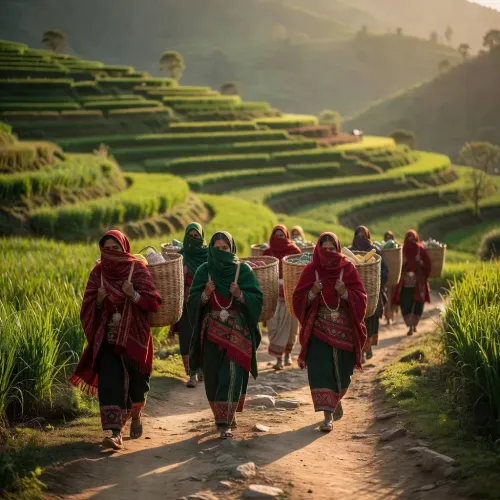
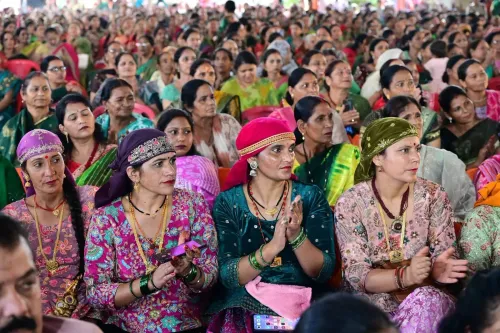
The broader architecture this sits within includes the National Mission for Empowerment of Women and a web of state-level self-help group initiatives that have been active since the early 2010s. Uttarakhand, with its predominantly rural and hill-district population, has a particular stake in these frameworks: women in remote districts bear disproportionate burdens of agricultural and domestic labour, making access to leadership pathways and equal opportunity not aspirational but urgent.
What the statement signals ahead of budget season
Statements of this nature from a Chief Minister's office typically precede or accompany concrete programme announcements — budget allocations, scheme expansions, or assembly-session legislation. The coming state assembly session and annual budget will be the first real test of whether this language translates into new fiscal commitments for women-centric schemes in Uttarakhand.
Three pillars are explicit in Dhami's words: self-reliance, leadership access, and equal opportunity. Each maps onto a different instrument of governance — economic schemes for the first, institutional representation for the second, and legal or policy reform for the third. Watch which of the three receives the heaviest resource backing when the numbers arrive.
Point of View
The Chief Minister aligns Uttarakhand's brand with the national Nari Shakti narrative without committing to a specific scheme or budget line. The framing is effective precisely because it sets measurable expectations — self-reliance, leadership, equal opportunity — that civil society and opposition can hold the government to in the next budget cycle. For a hill state where female out-migration lags male out-migration and rural women carry heavy unpaid-work burdens, the gap between rhetoric and policy delivery will be consequential and visible.
NationPress
15 Nov 2026
Frequently Asked Questions
What did CM Pushkar Dhami say about women's empowerment?
CM Dhami said women's true respect lies in making them self-reliant, giving them leadership opportunities in every field, ensuring equal opportunity, prioritising their decisions, and recognising their talent.
Which government posted Dhami's statement on women's empowerment?
The Chief Minister's Office of Uttarakhand posted the statement on the official CMO account on X on November 15, 2026.
What schemes support women's self-reliance in Uttarakhand?
Uttarakhand draws on the National Mission for Empowerment of Women and state-level self-help group initiatives active since the early 2010s, though specific new scheme announcements were not part of this statement.
What does 'aatmnirbhar' mean in the context of Dhami's women empowerment statement?
'Aatmnirbhar' means self-reliant. Dhami used the term to argue that genuine respect for women must be economic and institutional — not merely symbolic or cultural.
What should we watch for after Dhami's women empowerment statement?
Policy watchers are looking at the next Uttarakhand state assembly session and annual budget for concrete allocations to women-centric schemes that would translate this rhetoric into measurable programmes.