Amit Shah Greets Jharkhand on 26th Foundation Day

Synopsis
On Jharkhand's 26th Foundation Day, Union Home Minister Amit Shah honoured the state's tribal legacy, naming freedom fighters Birsa Munda and Sido-Kanhu, and prayed to Baba Baidyanath for the state's development and self-reliance.
Key Takeaways
Amit Shah posted Foundation Day greetings for Jharkhand on 15 November 2026 , the state's 26th statehood anniversary .
Jharkhand was created as India's 28th state on 15 November 2000 via the Bihar Reorganisation Act, with the date chosen to coincide with Birsa Munda's birth anniversary .
Birsa Munda led the Ulgulan movement against British land policies in the late 19th century and remains a symbol of Adivasi resistance.
Sido and Kanhu Murmu spearheaded the Santhal Rebellion of 1855–56 against colonial administrators and moneylenders.
Shah closed his message with a prayer to Baba Baidyanath , the Deoghar Jyotirlinga, for Jharkhand's prosperity and self-reliance.
The message reflects the broader central-government practice of marking statehood days with tributes to Adivasi icons in states with large Scheduled Tribe populations.
Twenty-six years after a new state was carved from Bihar's southern hills to fulfil a decades-old Adivasi dream, Union Home Minister Amit Shah marked Jharkhand Foundation Day on 15 November 2026 with a tribute that reached back to the tribal warriors who made the demand possible.
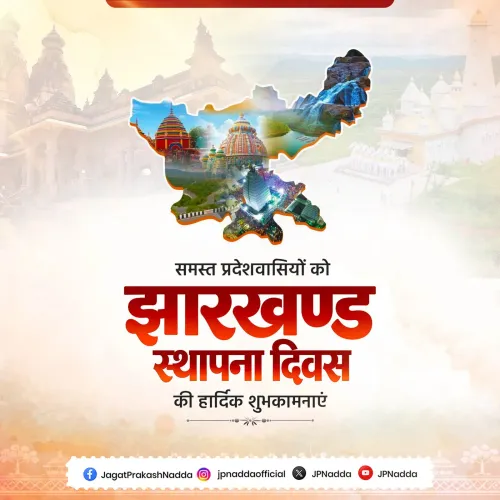
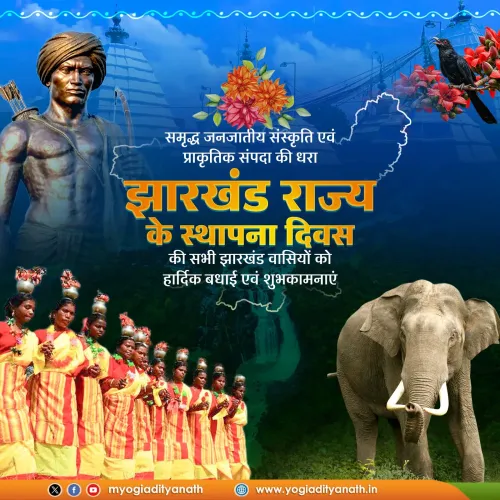
Shah wrote in Hindi: 'प्राकृतिक वैभव, गौरवशाली इतिहास और समृद्ध जनजातीय संस्कृति की भूमि झारखंड के स्थापना दिवस की प्रदेशवासियों को हार्दिक शुभकामनाएँ' — 'Heartfelt greetings to the people of Jharkhand, a land of natural splendour, glorious history and rich tribal culture.' He invoked the names of Birsa Munda and Sido-Kanhu, calling their bravery and sacrifice a 'glorious legacy,' and closed with a prayer to Baba Baidyanath — the sacred Jyotirlinga of Deoghar — that the state touch new heights of development, prosperity, and self-reliance.
The heroes named: Birsa Munda and the Santhal brothers
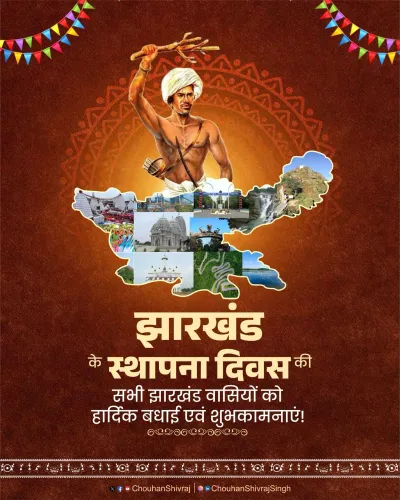
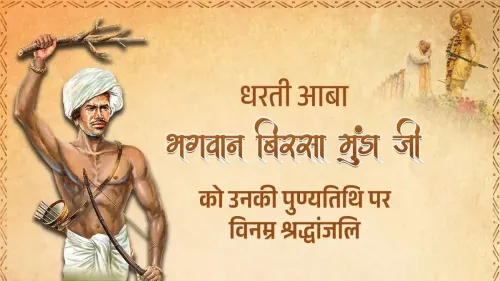
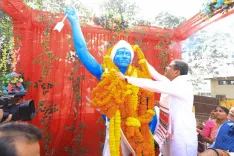
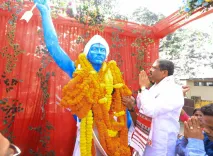
The two names Shah chose carry enormous weight in Jharkhand's historical memory. Birsa Munda, born in 1875, led the Ulgulan ('Great Tumult') movement against British land-grab policies, uniting Munda communities in armed resistance; he died in custody at 25 and is today enshrined as Dharti Aaba — 'Father of the Earth.' Sido and Kanhu Murmu, the brothers who ignited the Santhal Rebellion of 1855–56 against predatory moneylenders and colonial administrators, stand as the Santhal community's founding martyrs.
Both rebellions pre-date the state by well over a century, yet they form the ideological spine of Jharkhand's identity — the reason the state's creation was itself framed as a fulfilment of Adivasi aspirations rather than a mere administrative reshuffle.
How a state was born on this date
Jharkhand became India's 28th state on 15 November 2000 through the Bihar Reorganisation Act, with the date chosen deliberately — it is also Birsa Munda's birth anniversary, a symbolic alignment that underscored the tribal-autonomy argument behind the bifurcation. The new state brought together the mineral-rich Chota Nagpur Plateau and the Santhal Parganas, home to major Santhal, Munda and Oraon communities. Deoghar's Baba Baidyanath temple, one of Hinduism's twelve Jyotirlinga shrines, sits at the cultural and spiritual heart of the region.
Shah's invocation of the deity — asking Baba Baidyanath for Jharkhand's prosperity — blends the constitutional tradition of statehood greetings with the region's deep religious identity, a combination that resonates across the state's tribal and non-tribal populations alike.
As Jharkhand begins its 27th year, the Home Minister's message is both a salute to those who died for the idea of the state and a forward-looking call for the self-reliance its founders envisioned.
Point of View
A constituency the BJP has worked systematically to win in a state with a significant Scheduled Tribe electorate. Invoking Baba Baidyanath alongside secular historical figures weaves the region's Hindu pilgrimage identity into the same frame as its tribal heritage — a dual outreach that reflects the party's broader eastern-India strategy. The pairing of 'development and self-reliance' as aspirational goals also echoes the Atmanirbhar Bharat vocabulary of the central government's economic policy narrative. For analysts watching tribal politics in India's mineral belt, the message is as much a political positioning exercise as a ceremonial courtesy.
NationPress
15 Nov 2026
Frequently Asked Questions
When was Jharkhand founded and why on November 15?
Jharkhand was established as India's 28th state on 15 November 2000 through the Bihar Reorganisation Act. The date was chosen because it marks the birth anniversary of tribal icon Birsa Munda , symbolically linking the state's creation to the Adivasi autonomy movement.
Who was Birsa Munda and why is he important to Jharkhand?
Birsa Munda was a tribal leader born in 1875 who led the Ulgulan ('Great Tumult') uprising against British land-grab policies. He is revered as Dharti Aaba — Father of the Earth — and is the most prominent symbol of Adivasi resistance in Jharkhand's identity.
Who were Sido and Kanhu, mentioned by Amit Shah?
Sido and Kanhu Murmu were brothers who led the Santhal Rebellion of 1855–56 , mobilising Santhal communities against exploitative moneylenders and colonial administrators. They are considered founding martyrs of the Santhal community and key figures in Jharkhand's pre-independence history.
What is Baba Baidyanath and where is it located?
Baba Baidyanath is a Jyotirlinga — one of Hinduism's twelve sacred Shiva shrines — located in Deoghar, Jharkhand . It is one of the most important pilgrimage destinations in eastern India and a central part of Jharkhand's cultural and spiritual identity.
What did Amit Shah say on Jharkhand Foundation Day 2026?
Union Home Minister Amit Shah greeted the people of Jharkhand, described the state as 'a land of natural splendour, glorious history and rich tribal culture,' honoured Birsa Munda and Sido-Kanhu as great heroes, and prayed to Baba Baidyanath for the state's development, prosperity, and self-reliance.