Lalan Singh Greets Jharkhand on Foundation Day

Synopsis
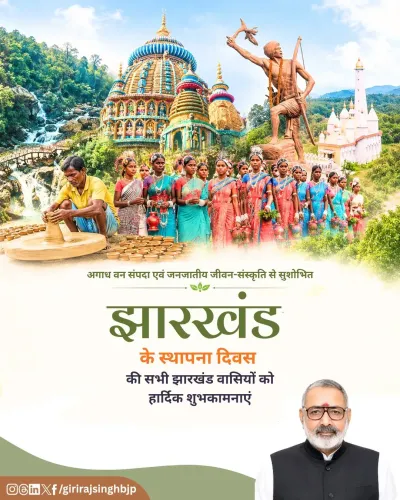
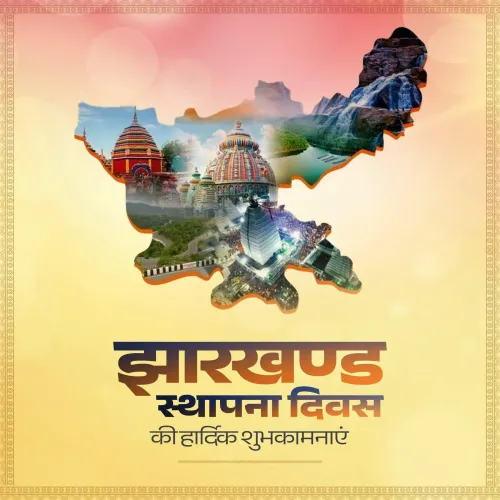
Union Minister Rajiv Ranjan Singh (Lalan Singh) extended Foundation Day greetings to Jharkhand on 15 November 2026, honouring the state's 26th year with a tribute to its tribal culture, natural heritage, and the legacy of Bhagwan Birsa Munda.
Key Takeaways
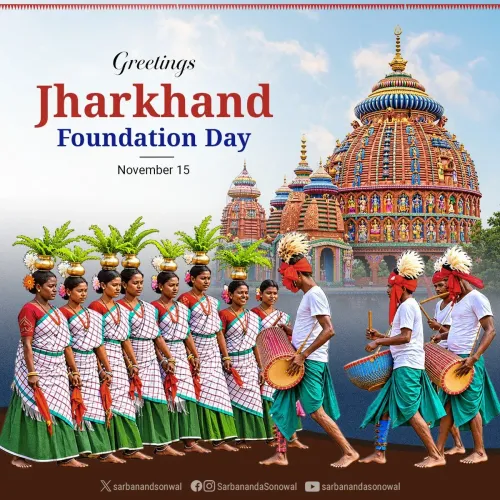
Union Minister Lalan Singh posted Foundation Day greetings for Jharkhand on 15 November 2026 , the state's 26th anniversary .
His message invoked jal, jungle aur zameen — the defining slogan of the tribal statehood movement.
Jharkhand was created on 15 November 2000 from southern districts of Bihar via the Bihar Reorganisation Act.
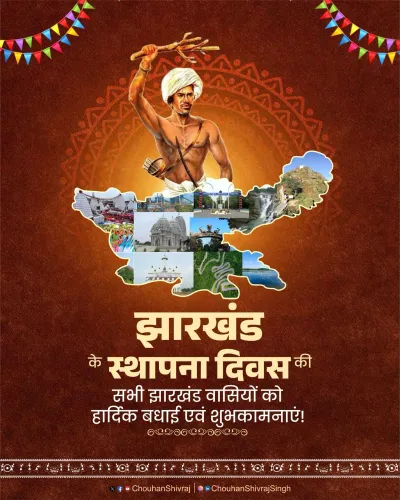
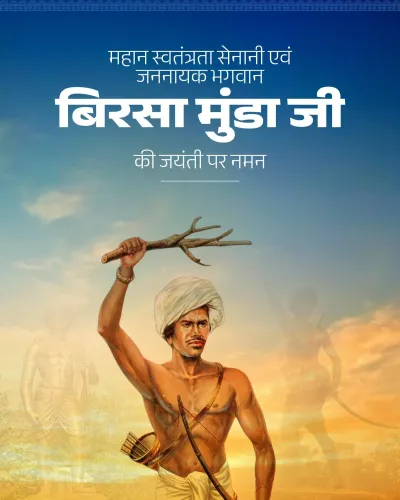
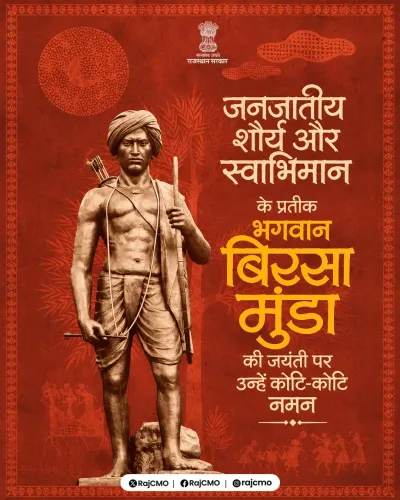
The date marks the birth anniversary of Bhagwan Birsa Munda , the 19th-century tribal leader who led the Ulgulan rebellion against British rule.
Singh holds the Panchayati Raj portfolio, which directly governs tribal self-governance frameworks like PESA in scheduled areas.
Twenty-six years after a decades-long tribal statehood agitation finally carved it out of Bihar, Jharkhand marks its Foundation Day on 15 November 2026 — and Union Panchayati Raj and Fisheries Minister Rajiv Ranjan Singh has extended warm wishes to every resident of the state, invoking its defining identity of jal, jungle aur zameen (water, forest and land).
In his post on X, the senior Janata Dal (United) leader wrote: 'Heartfelt greetings to all residents on Jharkhand State Foundation Day. This land of water, forest and land has carved a distinct identity in the country through its natural wealth, rich tribal culture and unique traditions. May Jharkhand — the brave land of Bhagwan Birsa Munda — establish new milestones of development, prosperity and happiness on the strength of its rich heritage and capability.'
The land Birsa Munda died to protect
The name Birsa Munda is not incidental here. The 19th-century Munda tribal leader led the Ulgulan — the Great Tumult — a rebellion against British land dispossession and colonial rule across the Chota Nagpur plateau. He died in British custody in 1900, but his defiance became the moral bedrock of the tribal statehood movement that would take another century to succeed.
When Jharkhand was finally carved out of southern Bihar on 15 November 2000 under the Bihar Reorganisation Act, the date itself was chosen to honour Birsa Munda's birth anniversary — a deliberate act of cultural reclamation. The state encompasses some of India's richest mineral and forest belts, home to a substantial concentration of Scheduled Tribe communities whose rights over land and forest resources had anchored the decades of agitation.
A minister with a Panchayati Raj lens
That the greeting comes from the minister holding the Panchayati Raj portfolio adds a layer of institutional resonance. Jharkhand's tribal villages sit within a constitutional framework — the Panchayats (Extension to Scheduled Areas) Act, PESA — specifically designed to give tribal gram sabhas authority over local resources. For communities whose identity is inseparable from the forest floor beneath them, robust Panchayati Raj is not an administrative abstraction; it is the living mechanism of self-governance Birsa Munda once fought for with his life.
Central ministers routinely mark state formation days with ceremonial greetings, but the vocabulary Singh chooses — jal, jungle, zameen, 'veerabhumi' (brave land), 'samarthya' (capability) — is the precise lexicon of the tribal rights movement, not the neutral language of a press release.
As Jharkhand turns 26, the promise embedded in its founding — that a state built on tribal identity would translate that identity into equitable development — remains the benchmark against which every Foundation Day is quietly measured.
Point of View
Jungle, zameen and Birsa Munda — is a calibrated act of political outreach in a state where tribal identity drives electoral outcomes. For the minister who controls the Panchayati Raj agenda, the signal is doubly deliberate: it ties central governance machinery to the same grassroots self-determination promise the state was founded on. The greeting reinforces the BJP-led alliance's ongoing effort to consolidate support among Scheduled Tribe communities across eastern India. How that rhetoric translates into measurable PESA implementation and tribal land-rights protection will define its long-term credibility.
NationPress
15 Nov 2026
Frequently Asked Questions
When was Jharkhand formed as a state?
Jharkhand was established on 15 November 2000 after it was carved out of the southern districts of Bihar under the Bihar Reorganisation Act, fulfilling decades of tribal statehood demands.
Why is 15 November significant for Jharkhand?
The date marks both Jharkhand's Foundation Day and the birth anniversary of Bhagwan Birsa Munda , the iconic 19th-century tribal leader, making it a day of deep cultural and historical resonance for the state.
What is PESA and why does it matter for Jharkhand?
The Panchayats (Extension to Scheduled Areas) Act (PESA) extends Panchayati Raj powers to tribal scheduled areas, granting gram sabhas authority over local land, forest and water resources — directly relevant to Jharkhand's large tribal population.