CM Dhami: Mountain women's struggle shaped my respect for them
Synopsis
Uttarakhand Chief Minister Pushkar Singh Dhami, citing his mother's hardships as a child, declared a personal and political commitment to mountain women on 15 November 2026, framing their advancement as central to the state's development journey.
Key Takeaways
CM Pushkar Singh Dhami posted the statement on 15 November 2026 via the official Uttarakhand Chief Minister's Office account.
Dhami cited watching his mother's struggles in the hills from childhood as the source of his 'special sensitivity and respect' for mountain women.
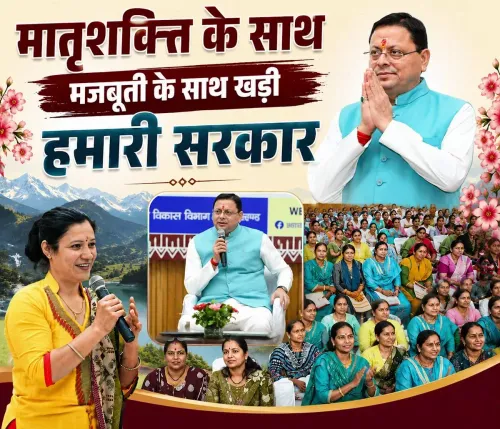
He used the term matrishakti to describe hill women, framing their progress as part of Uttarakhand's development path.
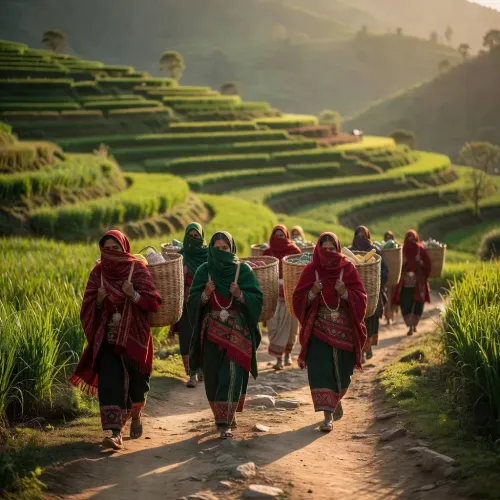
Women in Uttarakhand's hill districts shoulder heavy agricultural and household burdens due to widespread male out-migration.
Dhami has been Chief Minister since 2021 , re-elected in 2022 , with rural and hill development as stated priorities.
The statement signals continued alignment with national women's economic empowerment frameworks, with specific follow-up schemes to watch in upcoming budget sessions.
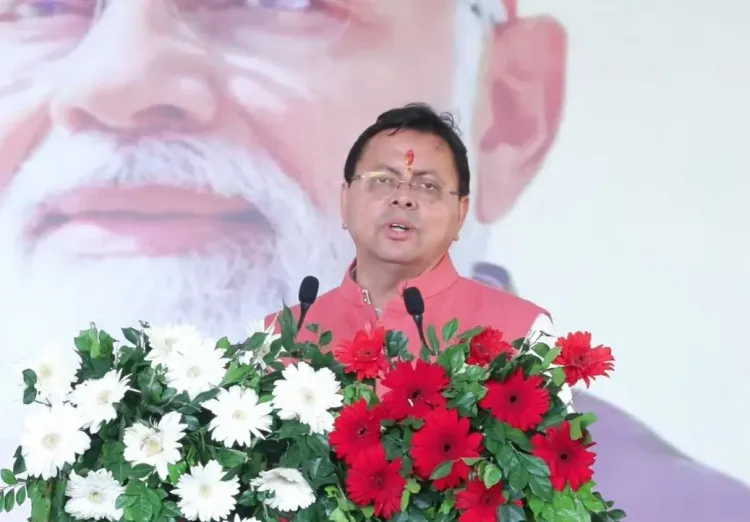
Growing up watching his mother navigate the relentless grind of hill life, Uttarakhand Chief Minister Pushkar Singh Dhami says that personal memory is the root of a conviction he carries into governance. On Sunday, 15 November 2026, the Chief Minister's Office of Uttarakhand shared a statement from the CM that placed women's empowerment squarely at the heart of his political identity.
Translated from Hindi, the statement reads: 'मैंने पहाड़ की महिलाओं के संघर्ष को बहुत करीब से महसूस किया है' — 'I have felt the struggles of mountain women very closely. From childhood, I watched and understood their hardships alongside my mother. That is why I hold a special sensitivity and respect in my heart for every woman of the hills. Today, our matrishakti [mother-power] is steadily advancing on the path of development.'
The weight behind the words: life in Uttarakhand's hill districts
The statement is not empty sentiment for anyone who knows Uttarakhand. In the state's hilly districts, women routinely carry agricultural work, manage households, and sustain entire villages as male out-migration to cities pulls working-age men away. The terrain is punishing, the support infrastructure thin, and the social recognition historically sparse.
Dhami, who was first elected Chief Minister in 2021 and re-elected in 2022, has consistently framed rural and hill-area development as a core theme of his administration. Invoking his mother and his own childhood grounds that policy language in lived experience — a deliberate rhetorical choice that signals continuity between personal history and state priority.
Matrishakti as a governing frame in Uttarakhand
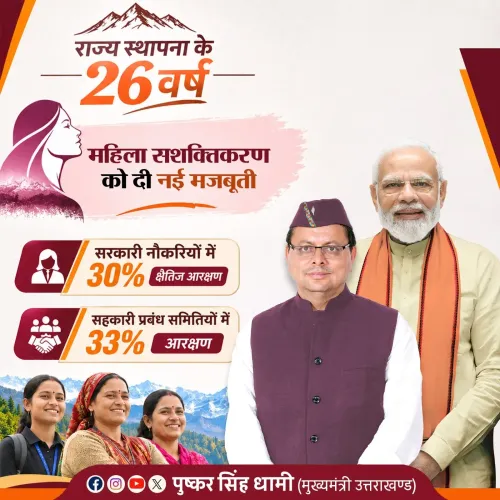
The use of matrishakti — a term that blends cultural reverence with political mobilisation — mirrors the broader national emphasis on women's economic participation through self-help groups, rural livelihoods, and digital inclusion. Uttarakhand's government has in recent cycles aligned itself with that national current, using women's collectives and hill-specific schemes to close gender gaps in remote areas.
What Sunday's post signals, more than any single scheme, is a tonal commitment from the top. When a Chief Minister cites his mother as a formative reference, it sets a register for how his administration wants women-focused policy to be perceived — not as a welfare line item, but as a matter of personal honour and political will.
The question now is whether that register translates into specifics: targeted budget allocations, scheme expansions, or infrastructure pushes in the state's most underserved hill districts. Those answers will come in assembly sessions and budget announcements ahead — and hill women will be watching for them.
Point of View
He converts an abstract governance theme into a credibility claim. This fits a broader pattern across Indian state politics where leaders from hill or rural backgrounds use origin narratives to signal authenticity with constituencies that have historically felt invisible in state capitals. The real test will come in budget allocations and scheme design for Uttarakhand's most geographically isolated districts, where symbolic affirmation must eventually meet structural change.
NationPress
15 Nov 2026
Frequently Asked Questions
What did Uttarakhand CM Pushkar Dhami say about hill women?
On 15 November 2026, Dhami said he has closely felt the struggles of mountain women since childhood, watching his mother, and holds special sensitivity and respect for every woman of the hills, adding that today's 'matrishakti' is steadily advancing on the path of development.
Why do women in Uttarakhand's hills face special hardships?
In Uttarakhand's hilly districts, large-scale male out-migration to cities leaves women managing agriculture, households, and entire communities on difficult terrain with limited infrastructure support.
What does 'matrishakti' mean in the context of Uttarakhand politics?
'Matrishakti' literally means 'mother-power' and is used in Indian political discourse to blend cultural reverence for women with calls for their economic and social empowerment.
When did Pushkar Singh Dhami become Chief Minister of Uttarakhand?
Pushkar Singh Dhami first became Chief Minister of Uttarakhand in 2021 and was re-elected to the post in 2022.
What government schemes help women in Uttarakhand's hill areas?
The Uttarakhand government has aligned with national self-help group and rural livelihoods programmes targeting hill districts; specific upcoming announcements are expected in future assembly sessions and state budget presentations.