CM Dhami: Youth and Education Are Society's Greatest Strengths
Synopsis
Chief Minister Pushkar Singh Dhami declared that youth are society's greatest strength and good education is youth's greatest power, in a statement shared by the Uttarakhand CMO on 3 July 2026, reflecting the state's alignment with NEP 2020 priorities.
Key Takeaways
CM Pushkar Singh Dhami stated that the greatest strength of any society is its youth, and the greatest strength of youth is good education.
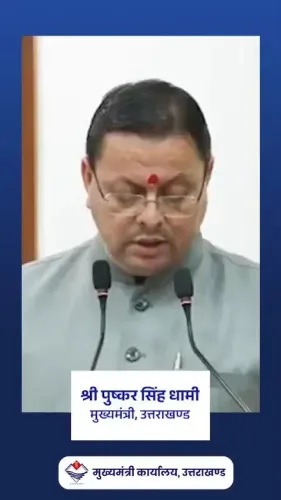
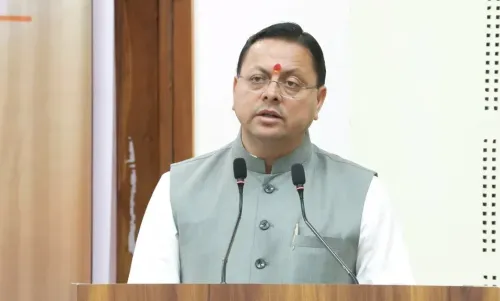
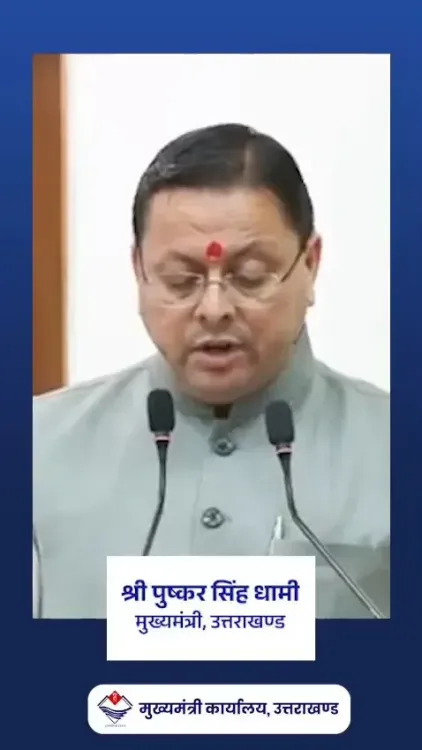
The statement was shared by the Chief Minister's Office of Uttarakhand on 3 July 2026 , accompanied by a video.
Uttarakhand has been aligning its education agenda with the National Education Policy 2020 , which replaced the 1986 framework.
CM Dhami has been in office since March 2021 and has consistently emphasised youth development as a state priority.
Key areas to watch include state budget allocations for school infrastructure, teacher recruitment, and any formal NEP 2020 roadmap for Uttarakhand.
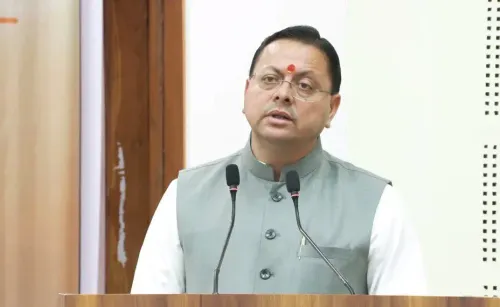
The Chief Minister's Office of Uttarakhand shared a statement by Chief Minister Pushkar Singh Dhami on Friday, 3 July 2026, emphasising that quality education is the foundation of a strong youth and, by extension, a strong society. The post, shared on the official CMO account, carries a quote attributed directly to CM Dhami underscoring the centrality of education to state policy.
Context
In the original post, CM Dhami is quoted as saying: 'Kisi bhi samaj ki sabse badi shakti uski yuva peedhi hoti hai aur yuva peedhi ki sabse badi takat achhi shiksha hoti hai' — ('The greatest strength of any society is its youth, and the greatest strength of the youth is good education.'). The statement was shared without a specific programme announcement, positioning it as a broader policy vision articulated by the Chief Minister.
The quote reflects a consistent line of communication from the Uttarakhand government, which has regularly linked youth empowerment with educational quality as a state priority. The post also accompanied a video, suggesting it may be drawn from a public address or official event.
Policy Backdrop
The statement comes in the context of India's National Education Policy 2020 (NEP 2020), which replaced the 1986 National Policy on Education and mandates that every state develop its own implementation roadmap. NEP 2020 stresses multidisciplinary learning, vocational training, and early childhood education — areas particularly relevant to a hill state like Uttarakhand, which faces unique challenges in school infrastructure and teacher availability in remote areas.
Uttarakhand, formed in 2000, has progressively aligned its state education efforts with central frameworks. CM Dhami, who has been in office since March 2021, has frequently positioned youth development and education as cornerstones of the state's growth agenda. Indian state governments across the political spectrum have issued similar statements as part of the nationwide push to harness the country's demographic dividend through improved schooling and skill-building programmes.
Stakeholders and Impact
The primary stakeholders in this policy direction are Uttarakhand's students and young population, who stand to benefit from any concrete follow-through in the form of upgraded school infrastructure, increased teacher recruitment, or targeted skill programmes. The hill state's geography means that rural and remote students face access barriers that policy statements alone cannot bridge.
Broader civil society — including parents, educators, and local bodies — will be watching whether this articulation of vision translates into measurable budget allocations or programme launches in the coming months. The statement also resonates with the national conversation around leveraging India's youth demographic as an economic and social asset.
What's Next
Observers will look to Uttarakhand's upcoming state budget and any formal NEP 2020 implementation roadmap for concrete signals of how CM Dhami's stated commitment to education will be operationalised. Key indicators will include allocations for school infrastructure in hill districts, teacher vacancy filling, and vocational training programme expansion.
If the government follows this statement with specific policy announcements or scheme launches, it would mark a meaningful step in translating the Chief Minister's vision into ground-level change for the state's youth.
Point of View
Particularly as NEP 2020 implementation enters a critical phase. For a hill state like Uttarakhand, where geographic barriers compound access challenges, the gap between such articulations and on-ground delivery is a persistent political vulnerability. The statement's release without a specific programme announcement suggests it may be setting the ideological ground for upcoming policy or budgetary moves. Whether it translates into measurable action will determine its political weight beyond the news cycle.
NationPress
3 Jul 2026
Frequently Asked Questions
What did CM Pushkar Singh Dhami say about education and youth?
CM Dhami stated that the greatest strength of any society is its youth, and the greatest strength of the youth is good education, in a statement shared by the Uttarakhand CMO on 3 July 2026.
What is the National Education Policy 2020 and how does it affect Uttarakhand?
The National Education Policy 2020 replaced India's 1986 education framework and requires every state, including Uttarakhand, to develop its own implementation plan covering school education, vocational training, and early childhood learning.
Who is Pushkar Singh Dhami?
Pushkar Singh Dhami is the Chief Minister of Uttarakhand, in office since March 2021, and has frequently emphasised youth development and education as priorities for the hill state.
What are Uttarakhand's key education challenges?
Uttarakhand faces unique challenges including school infrastructure gaps in remote hill districts, teacher vacancies, and access barriers for rural students, which make education policy implementation particularly complex.
What should we watch for next on Uttarakhand education policy?
Key signals to watch include Uttarakhand's state budget allocations for school infrastructure and teacher recruitment, and any formal NEP 2020 implementation roadmap the government may release in coming months.