CM Dhami's Homestay, DDU Schemes Aid Reverse Migration in Uttarakhand Hills
Synopsis
The Chief Minister's Office of Uttarakhand says the Homestay Scheme and Deen Dayal Upadhyay Yojana under CM Pushkar Singh Dhami are helping reverse out-migration in hilly districts, with Uttarkashi highlighted as a key beneficiary area.
Key Takeaways
The Chief Minister's Office of Uttarakhand announced on 4 July 2026 that two state schemes are aiding reverse migration in hill districts.
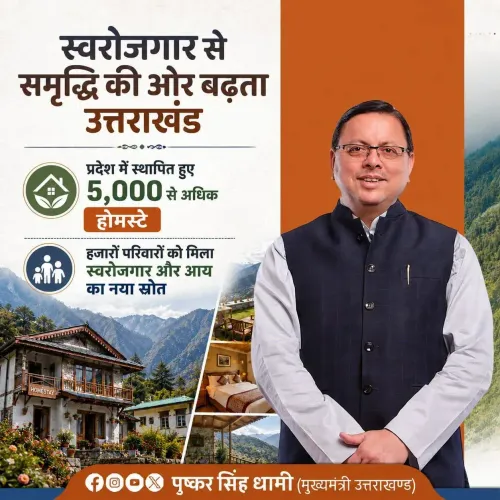
The Homestay Scheme enables local families to earn tourism income without leaving their villages.
The Deen Dayal Upadhyay Yojana provides skill and self-employment support, drawing from the central DDU Grameen Kaushalya Yojana launched in 2014 .
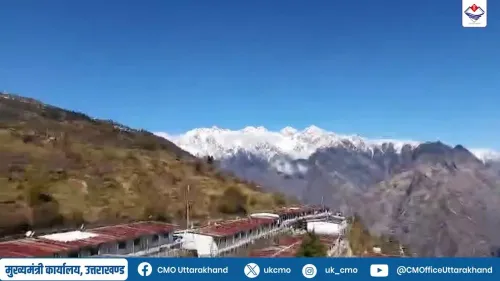
Uttarkashi district is specifically cited as a focus area for the reverse migration push.
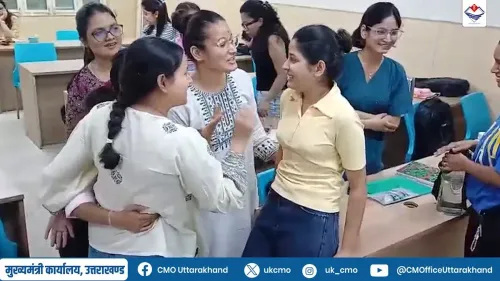
The schemes target hill residents, rural youth, and return migrants as primary beneficiaries.
Official data on beneficiary numbers and migration impact is awaited in upcoming state budget or planning reports.
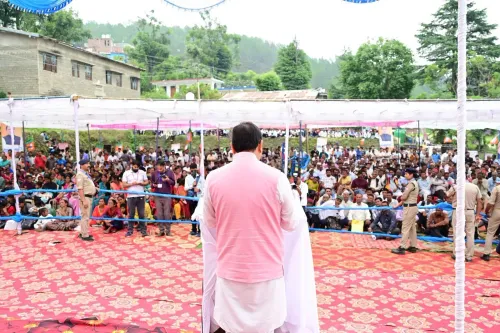
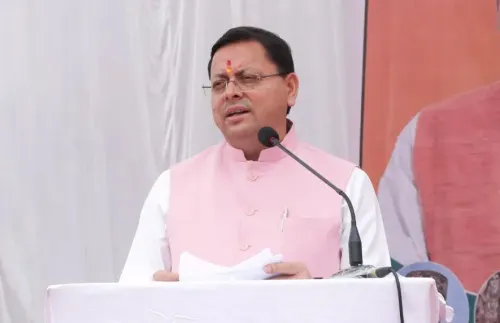
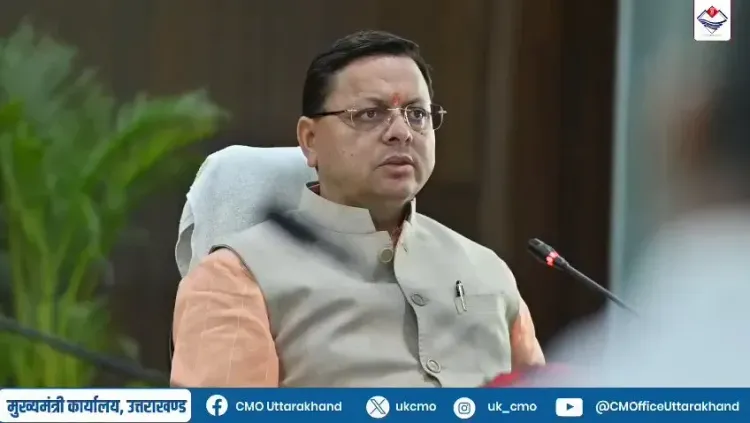
The Chief Minister's Office of Uttarakhand announced on Saturday, 4 July 2026 that the Homestay Scheme and the Deen Dayal Upadhyay Yojana, operating under the leadership of Chief Minister Pushkar Singh Dhami, are proving effective in facilitating reverse migration in the state's mountainous regions, with Uttarkashi district highlighted as a key area of impact.
Context
The official post states that the two schemes — Homestay aur Deen Dayal Upadhyay Yojana (Homestay and Deen Dayal Upadhyay Scheme) — are 'proving helpful in reverse migration in hilly areas' under CM Dhami's leadership. The announcement specifically tags Uttarkashi, a high-altitude district that has historically experienced significant out-migration due to limited local economic opportunities. The emphasis on self-employment signals the state government's intent to position these schemes as livelihood anchors in fragile hill economies.
Policy Backdrop
Uttarakhand has grappled with demographic drain from its Himalayan districts for decades, as residents relocate to plains cities in search of employment. The state has promoted homestay development since the 2010s, enabling local families to convert their homes into tourist accommodations and earn income without leaving their villages. The Deen Dayal Upadhyay Yojana at the state level draws from the centrally launched Deen Dayal Upadhyaya Grameen Kaushalya Yojana of 2014, which was designed to provide skill training and placement support to rural youth across India. Uttarakhand's adaptation of this framework targets self-employment in the hills rather than outward placement.
Together, the two schemes represent a dual-track approach: the Homestay Scheme leverages the state's tourism potential to generate on-site income, while the DDU Yojana equips residents with skills to sustain local enterprises. This combination has been a recurring policy response by successive Uttarakhand governments seeking to balance demographic and economic pressures in the hills.
Stakeholders and Impact
The primary beneficiaries are hill residents, rural youth, and return migrants — people who had previously moved to urban centres and are now being drawn back by the prospect of viable local livelihoods. Districts like Uttarkashi, which sit on key pilgrimage and trekking routes, are particularly well-positioned to benefit from homestay tourism, as travellers increasingly seek authentic, community-based accommodation. For families in these areas, a registered homestay can provide a stable supplementary income without requiring relocation.
The broader implication extends to village communities, where the return of working-age residents helps sustain local agriculture, social infrastructure, and cultural continuity — concerns that go beyond economics alone.
What's Next
The government's public communication of these outcomes suggests an intent to scale or consolidate the schemes further. Official data on homestay registrations, scheme beneficiaries, and migration trends from Uttarakhand's hilly districts — expected in forthcoming state budget documents or planning commission reports — will be critical to independently assessing the scale of impact. The focus on Uttarkashi may also indicate that the district is being positioned as a model for replication across other hill districts in the state.
Point of View
The Dhami administration is aligning with a broader national narrative of rural economic revival without requiring large capital expenditure. The choice to spotlight Uttarkashi — a district with both pilgrimage significance and high out-migration — suggests a calculated effort to demonstrate tangible results in a symbolically important area. Whether the schemes are producing the scale of impact implied will depend on independent data that is yet to be publicly released.
NationPress
4 Jul 2026
Frequently Asked Questions
What is the Uttarakhand Homestay Scheme?
The Uttarakhand Homestay Scheme allows local families in hilly districts to register their homes as tourist accommodations, generating income from visitors without requiring residents to migrate to cities. It has been a state policy since the 2010s.
What is the Deen Dayal Upadhyay Yojana in Uttarakhand?
The Deen Dayal Upadhyay Yojana in Uttarakhand is a self-employment and skill development scheme adapted from the central Deen Dayal Upadhyaya Grameen Kaushalya Yojana launched in 2014, aimed at providing rural youth with skills to sustain local livelihoods in hill districts.
What is reverse migration in Uttarakhand?
Reverse migration in Uttarakhand refers to the return of residents who had previously moved to plains cities for work, back to their native hill villages — a key goal of state government schemes that create local employment opportunities.
Which district is highlighted for reverse migration efforts in Uttarakhand?
Uttarkashi, a hilly district in Uttarakhand located on key pilgrimage and trekking routes, has been specifically highlighted by the Chief Minister's Office as a focus area for reverse migration under the Homestay and DDU Yojana schemes.
Who is the Chief Minister of Uttarakhand in 2026?
Pushkar Singh Dhami is the Chief Minister of Uttarakhand. He has held the position since 2021 and has overseen state schemes for rural employment, tourism, and self-employment in the hill districts.