CM Dhami's Uttarakhand: Bageshwar Farmers Advance in Modern Horticulture
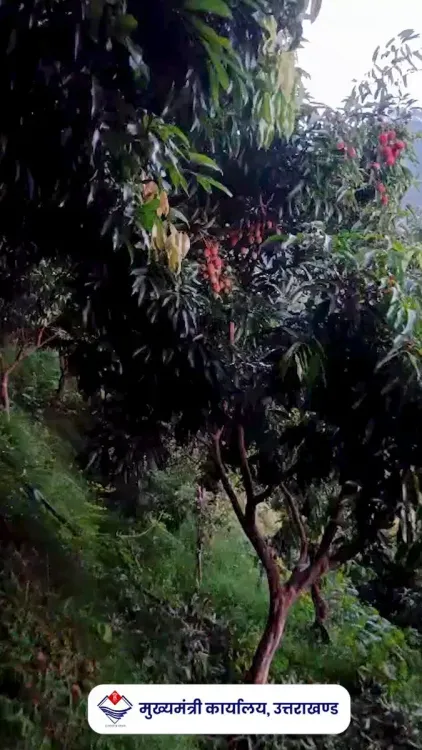
Synopsis
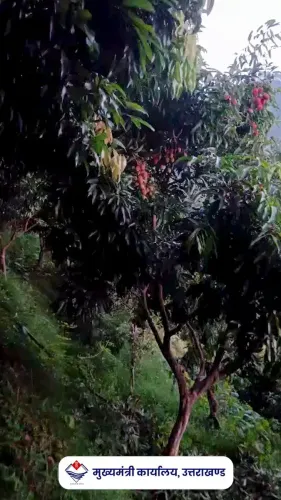
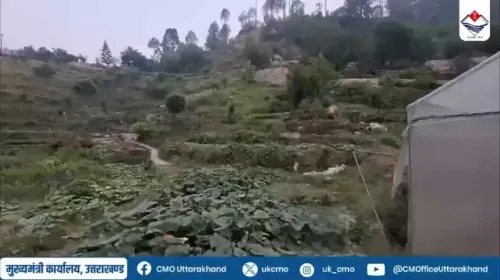
The Uttarakhand CMO on 27 July 2026 spotlighted Bageshwar district farmers advancing in modern horticulture and vegetable production, reflecting the Dhami government's strategy to shift hill agriculture toward high-value commercial crops and curb rural out-migration.
Key Takeaways
The Chief Minister's Office of Uttarakhand highlighted farmer progress in modern horticulture and vegetable production in Bageshwar district on 27 July 2026 .
Bageshwar , in the Kumaon division, has agro-climatic conditions suited to off-season vegetables that fetch premium prices in plains markets.
Uttarakhand has promoted polyhouse technology, drip irrigation, and greenhouse infrastructure in hill districts since the mid-2000s.
The central Mission for Integrated Development of Horticulture (MIDH) supports production infrastructure and market linkages that Uttarakhand draws upon.
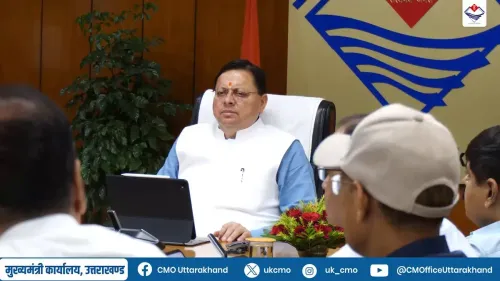
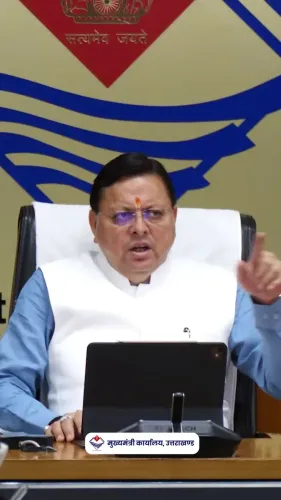
CM Pushkar Singh Dhami has prioritised agricultural modernisation and hill-farmer income enhancement since taking office in 2021 .
Scaling these gains depends on cold-chain infrastructure, road connectivity, and market-linkage platforms reaching Bageshwar farmers.
The Chief Minister's Office of Uttarakhand on Monday, 27 July 2026, highlighted the progress being made by farmers in Bageshwar district in the fields of modern horticulture and vegetable production, underscoring the state government's continued push to transform hill agriculture into a commercially viable enterprise.
The post, shared by the official CMO account, stated in Hindi: 'Uttarakhand mein aadhunik bagwani aur sabzi utpadan ke kshetra mein pragati kar rahe hain kashtkaar' — ('Farmers in Uttarakhand are making progress in the field of modern horticulture and vegetable production') — with specific reference to Bageshwar and the broader state.
Context
Bageshwar, a district in Uttarakhand's Kumaon division, sits in the Himalayan foothills and has long been identified as a zone with significant agro-climatic potential for high-value crops. The district's terrain and altitude make it suitable for off-season vegetables that command premium prices in plains markets. The CMO's spotlight on Bageshwar signals that the district is emerging as one of the state's horticulture success stories.
The term kashtkaar (farmers/cultivators) used in the post reflects a deliberate framing — positioning small hill farmers as active agents of economic progress rather than beneficiaries of top-down relief.
Policy Backdrop
Uttarakhand has pursued crop diversification toward horticulture and protected cultivation since the mid-2000s, leveraging its distinct agro-climatic zones to move farmers away from subsistence cereal farming. State horticulture missions have funded polyhouse technology, drip irrigation, and greenhouse infrastructure across mountain districts, with Bageshwar among the targeted areas.
At the central level, the Mission for Integrated Development of Horticulture (MIDH) provides financial support for production infrastructure and market linkages for horticultural crops, including vegetables. Uttarakhand has drawn on this scheme to build cold-chain and cluster-based production models in districts like Bageshwar. Under Chief Minister Pushkar Singh Dhami, who has led the state since 2021, agricultural modernisation and income enhancement for hill farmers have been stated priorities.
Stakeholders and Impact
The primary beneficiaries of this push are hill farmers and horticulture growers in Kumaon and Garhwal divisions, many of whom have historically faced limited economic options and have been among the drivers of rural out-migration from mountain districts. A shift toward commercial vegetable cultivation — especially off-season produce — can meaningfully raise household incomes in these communities.
Market linkages remain a critical piece: produce grown in Bageshwar must reach urban mandis efficiently to realise its value. State investment in road connectivity, aggregation centres, and cold storage directly determines how much of the price premium farmers can actually capture. The CMO's communication suggests the government views visible farmer progress as a political and policy milestone worth amplifying.
What's Next
Observers will watch for state budget announcements or new district-level targets for protected cultivation and vegetable clusters in the 2025-26 and 2026-27 fiscal cycles. Expansion of polyhouse subsidies, formation of farmer-producer organisations in Bageshwar, and integration with e-NAM (National Agriculture Market) platforms are among the logical next steps if the district's horticulture momentum is to be scaled. The Dhami government's ability to convert these early gains into sustained income growth will be a key test of its hill-agriculture strategy.
Point of View
Using a specific district — Bageshwar — to demonstrate that the Dhami administration's horticulture push is producing on-ground results. By foregrounding the farmer ('kashtkaar') rather than the scheme, the messaging humanises what are otherwise bureaucratic policy interventions. This fits a broader pattern among Himalayan state governments of using visible agricultural wins to counter the politically sensitive narrative of rural distress and youth out-migration. The real test will be whether district-level progress translates into measurable income data and whether infrastructure investment keeps pace with production growth.
NationPress
27 Jul 2026
Frequently Asked Questions
What is the Uttarakhand government doing to promote horticulture in Bageshwar?
The Uttarakhand government, under CM Pushkar Singh Dhami, is supporting farmers in Bageshwar through polyhouse technology, drip irrigation, and greenhouse infrastructure under state and central horticulture missions, aiming to shift cultivation toward high-value vegetables and fruits.
What is the Mission for Integrated Development of Horticulture (MIDH)?
MIDH is a central government scheme that provides financial support for production, post-harvest infrastructure, and market linkages for horticultural crops including vegetables. Uttarakhand uses MIDH funding to build clusters and cold-chain facilities in hill districts like Bageshwar.
Why is Bageshwar important for vegetable farming in Uttarakhand?
Bageshwar's altitude and Himalayan foothills climate make it suitable for off-season vegetable cultivation, which fetches premium prices in plains markets and offers hill farmers a commercially viable alternative to subsistence cereal farming.
How does horticulture development help reduce out-migration from Uttarakhand's hills?
Commercial horticulture raises household incomes in mountain districts, giving farmers and rural youth an economic reason to stay. Uttarakhand's long-term strategy explicitly links crop diversification toward high-value produce with curbing out-migration from villages.
What should we watch for next in Uttarakhand's hill agriculture policy?
Key developments to watch include new state budget allocations for protected cultivation, expansion of farmer-producer organisations in Bageshwar, and integration of hill produce with digital market platforms such as e-NAM in the 2026-27 fiscal cycle.