CM Fadnavis: Await Bombay HC Ruling on Doctors
Synopsis
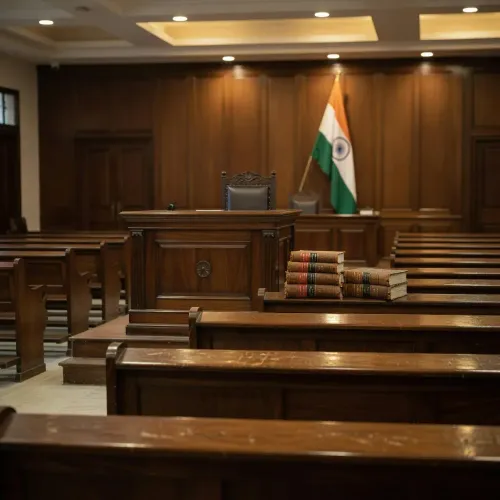
Chief Minister Devendra Fadnavis declared on August 6, 2026 that Maharashtra will await the Bombay High Court's verdict on a doctors-related matter, publicly signalling the state will not act ahead of the judiciary on the issue.
Key Takeaways
CM Devendra Fadnavis posted on August 6, 2026 that it is 'appropriate' to await the Bombay High Court's decision on a matter concerning doctors.
The statement was made in both Marathi and Hindi , signalling a broad audience across Maharashtra.
The Bombay High Court has jurisdiction over Maharashtra government actions and routinely hears disputes involving public-sector medical professionals.
No executive intervention is expected from the state government until the court delivers its ruling.
The specific details of the doctors' case before the High Court have not been publicly disclosed by Fadnavis's office.
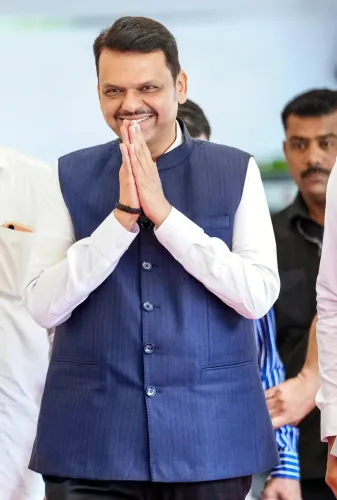
Maharashtra's top court has the floor. Chief Minister Devendra Fadnavis signalled on Thursday, August 6, 2026 that the state will hold its position until the Bombay High Court delivers its verdict on a matter concerning doctors in Maharashtra — a studied deference to judicial process that carries real weight for the medical community watching closely.
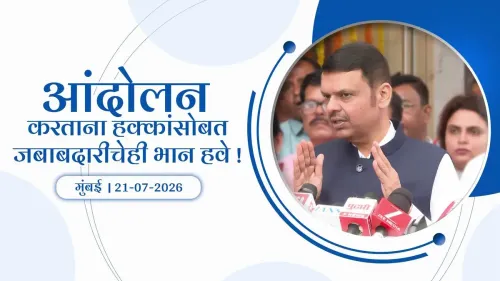
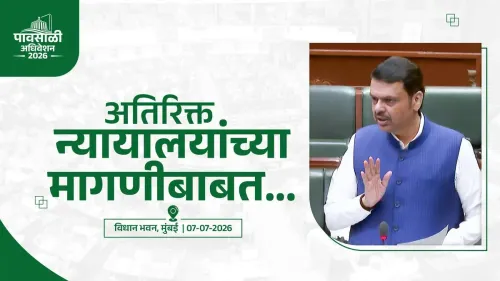
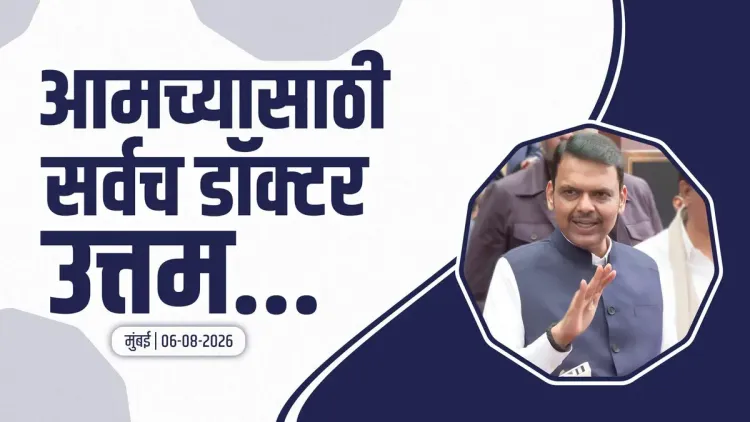
Posting on X, Fadnavis wrote in Marathi and Hindi: 'डॉक्टरांबाबत उच्च न्यायालयाच्या निर्णयाची प्रतीक्षा करणे योग्य' — 'It is appropriate to await the High Court's decision regarding doctors.' The message was brief. The implication was not.
What Deferring to the Bombay HC Actually Signals
When a sitting Chief Minister publicly says 'wait for the court,' it is rarely a passive statement. It is a governing posture — one that simultaneously tells agitating doctors that the executive will not pre-empt the judiciary, and tells the public that constitutional processes are being respected. The Bombay High Court, as the principal judicial authority over Maharashtra's state government actions, routinely adjudicates disputes involving public-sector medical professionals on matters ranging from service conditions and recruitment rules to working hours and employment bonds.
Indian state governments have repeatedly used this framing in past standoffs with government doctors — it allows an administration to hold the line without escalating a dispute. Maharashtra itself has seen prior rounds of tension between the health department and the medical workforce, and each time, the courts have served as the pressure valve.
Doctors, the State, and a Ruling Still to Come
The specific case before the Bombay High Court has not been publicly detailed by Fadnavis's office. What is clear is that the Maharashtra government's official stance, as of August 6, is one of judicial restraint — no executive intervention until the court speaks. For Maharashtra's doctors, that means the next move belongs entirely to the bench.
The ruling, when it arrives, will set the terms. And then the state will have to respond.
Point of View
However, will read this as the government buying time rather than resolving their grievance. The real test of the state's position comes the moment the court rules.
NationPress
6 Aug 2026
Frequently Asked Questions
What did CM Devendra Fadnavis say about doctors on August 6 2026?
Fadnavis stated it is appropriate for Maharashtra to await the Bombay High Court's decision on a matter concerning doctors, signalling the state will not act before the court rules.
Which court is hearing the Maharashtra doctors case?
The Bombay High Court is the court whose ruling Fadnavis referenced. It is the principal high court for Maharashtra with authority over state government actions and public service disputes.
Why is Maharashtra waiting for the High Court ruling on doctors?
The state government's position is one of judicial deference — by awaiting the court's verdict, the executive avoids pre-empting the judiciary and manages the dispute through legal channels rather than direct negotiation.
What issues do Maharashtra doctors typically take to the Bombay High Court?
Maharashtra doctors have previously approached the Bombay High Court over service conditions, recruitment rules, working hours, and employment bonds with the state health department.
What happens after the Bombay High Court delivers its ruling on doctors?
Once the court rules, the Maharashtra state government will be expected to respond and implement or contest the verdict, which will set the terms for resolving the doctors' dispute.