CM Fadnavis Chairs Tribes Advisory Council Meet, Orders Blockchain ST Verification

Synopsis
Maharashtra CM Devendra Fadnavis chaired the 52nd State Tribes Advisory Council meeting in Mumbai on 2 July 2026, ordering blockchain-based ST caste verification, AI duplicate detection, an income ceiling hike to ₹4 lakh for tribal schemes, and expedited amendments to the ST Certificate Verification Act.
Key Takeaways
Blockchain-based verification ordered for Scheduled Tribe caste certificates to replace the existing system with a secure, transparent digital process.
AI-driven mechanism to be deployed to identify duplicate applications and streamline preliminary document scrutiny in the ST verification process.
Income eligibility ceiling for educational and welfare schemes raised to ₹4 lakh to extend benefits to more tribal students.
Finance Department directed to allocate funds in proportion to the Scheduled Tribe population across Maharashtra.
Amendments to the Scheduled Tribe Certificate Verification Act to be expedited, with timely appointments to vacant Project Officer posts and special legal counsel for pending court cases.
Local tribals directed to receive clear priority in dam reservoir fisheries and all new government schemes.
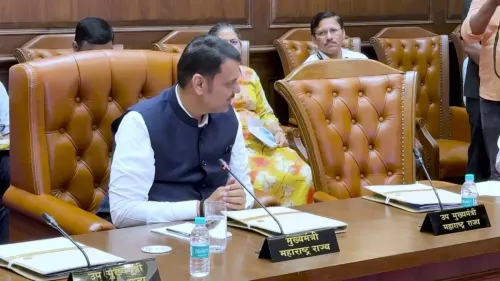
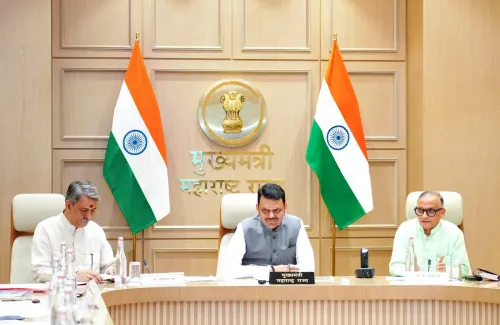
Maharashtra Chief Minister Devendra Fadnavis chaired the 52nd meeting of the Maharashtra State Tribes Advisory Council at Vidhan Bhavan, Mumbai, on Thursday, 2 July 2026, directing a sweeping overhaul of tribal welfare delivery through blockchain-based caste verification, AI-driven document scrutiny, and a raised income ceiling for educational schemes.
Context
At the council meeting, Fadnavis directed the adoption of a 'transparent, reliable and technology-driven caste verification system for Scheduled Tribes, leveraging blockchain-based digital systems for secure verification.' He further instructed that the entire verification process be moved online, with an AI-driven mechanism deployed to identify duplicate applications and streamline preliminary document scrutiny.
The Chief Minister also raised the income eligibility ceiling for educational and welfare schemes to ₹4 lakh, aiming to extend benefits to the maximum number of tribal students. He directed the Finance Department to make funds available in proportion to the Scheduled Tribe population.
Policy Backdrop
The Maharashtra State Tribes Advisory Council is a statutory body that advises the state government on Scheduled Tribe welfare, development schemes, and policy. Maharashtra has operated an ST certificate verification mechanism since the early 2000s, with periodic amendments aimed at curbing fraudulent claims and reducing administrative delays.
The broader national trend sees state governments integrating digital tools — including blockchain and AI — into welfare delivery to reduce leakages and accelerate verification. Fadnavis also directed that amendments to the Scheduled Tribe Certificate Verification Act be expedited, that timely appointments be made to vacant Project Officer posts, and that special legal counsel be appointed for pending court matters to strengthen administrative efficiency.
The meeting also reviewed implementation of the Forest Rights Act — the Scheduled Tribes and Other Traditional Forest Dwellers (Recognition of Forest Rights) Act, 2006 — alongside initiatives for forest conservation and the economic empowerment of tribal communities. Local tribals were directed to be given clear priority in fisheries within dam reservoirs and in all new schemes.
Stakeholders and Impact
Scheduled Tribe communities across Maharashtra stand to be the primary beneficiaries of the reforms. Tribal students in particular are expected to gain wider access to educational and welfare schemes following the revision of the income eligibility ceiling to ₹4 lakh.
Local tribal fishers in dam reservoir areas are also addressed directly, with the Chief Minister directing that their priority access to fisheries be formalised in new schemes. Fadnavis emphasised close coordination between the General Administration Department and the Tribal Development Department for time-bound resolution of pending matters.
Minister Dr. Ashok Uike, Minister Narhari Zirwal, members of the state legislature, and senior officials attended the meeting.
What's Next
The pace at which amendments to the Scheduled Tribe Certificate Verification Act are tabled and passed will be a key indicator of the government's follow-through. Equally, the rollout timeline for the blockchain verification platform and the AI duplicate-detection system will be closely watched by tribal welfare advocates and administrators alike.
Coordination outcomes between the General Administration Department and the Tribal Development Department on pending cases will determine whether the Chief Minister's directive translates into measurable relief for tribal citizens seeking access to government schemes.
Point of View
Fadnavis is aligning Maharashtra with a national pattern of technology-driven beneficiary verification — a move that simultaneously signals administrative modernisation and addresses long-standing concerns about fraudulent ST certificate claims. Raising the income ceiling to ₹4 lakh broadens the political appeal of the reforms to a wider swathe of tribal households, not just the economically weakest. The directive to expedite amendments to the ST Certificate Verification Act and fill vacant Project Officer posts suggests the government is aware that past reform announcements have stalled at the implementation stage. Whether the coordination mandate between the General Administration Department and the Tribal Development Department produces measurable outcomes will be the real test of this Council meeting's legacy.
NationPress
2 Jul 2026
Frequently Asked Questions
What was decided at the 52nd Maharashtra State Tribes Advisory Council meeting?
The meeting, chaired by CM Devendra Fadnavis on 2 July 2026 , directed the adoption of a blockchain-based ST caste verification system, deployment of AI to detect duplicate applications, raising the income eligibility ceiling for tribal schemes to ₹4 lakh , and expediting amendments to the Scheduled Tribe Certificate Verification Act.
What is the new income limit for tribal welfare schemes in Maharashtra?
CM Fadnavis directed that the income eligibility ceiling for educational and welfare schemes be raised to ₹4 lakh so that the maximum number of tribal students can benefit.
How will blockchain be used for Scheduled Tribe verification in Maharashtra?
The Maharashtra government has been directed to implement a blockchain-based digital system for secure and transparent verification of Scheduled Tribe caste certificates, with the entire process to be moved online and AI deployed to identify duplicate applications.
What is the Maharashtra State Tribes Advisory Council?
The Maharashtra State Tribes Advisory Council is a statutory body that advises the state government on matters related to Scheduled Tribe welfare, development schemes, and policy.
What was reviewed about the Forest Rights Act at the Maharashtra tribal council meeting?
CM Fadnavis reviewed the implementation of the Forest Rights Act, 2006 at the meeting, along with initiatives for forest conservation and the economic empowerment of tribal communities, and directed that local tribals be given priority in dam reservoir fisheries and new schemes.