CM Fadnavis Credits Modi for India's First Cooperative Ministry
Synopsis
Maharashtra CM Devendra Fadnavis, speaking at the Sahakar Gaurav Puraskar ceremony in Mumbai on 4 July 2026 — International Day of Cooperatives — credited PM Narendra Modi with establishing India's first independent Ministry of Cooperation, formed in July 2021 to give the cooperative sector dedicated central governance.
Key Takeaways
Maharashtra CM Devendra Fadnavis credited PM Narendra Modi at the Sahakar Gaurav Puraskar ceremony in Mumbai on 4 July 2026 .
India's first independent Ministry of Cooperation was established by the Union Cabinet in July 2021 , carved out of the Ministry of Agriculture and Farmers Welfare.
The event coincides with the International Day of Cooperatives , observed on the first Saturday of July each year.
Maharashtra is one of India's most cooperative-dense states, with major sugar cooperatives and district central cooperative banks.
The Ministry of Cooperation's mandate includes a national cooperative database, amendments to the Multi-State Cooperative Societies Act , and integration into credit and dairy schemes.
The ceremony signals continued BJP alignment between central cooperative policy and state-level recognition of the sector.
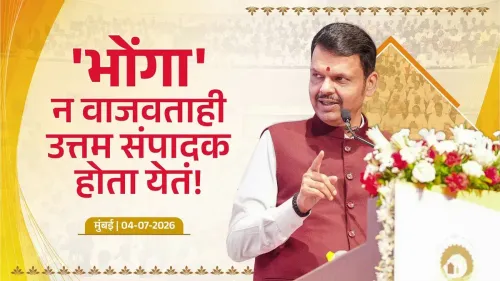
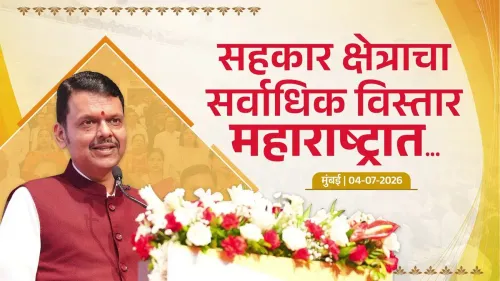
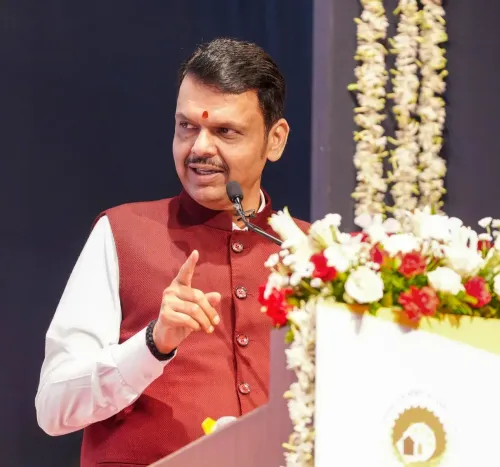
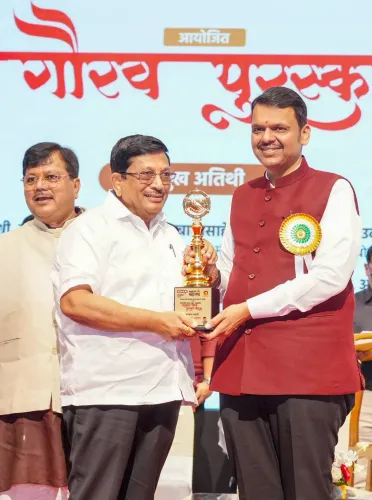
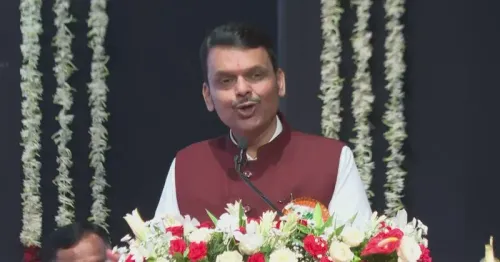
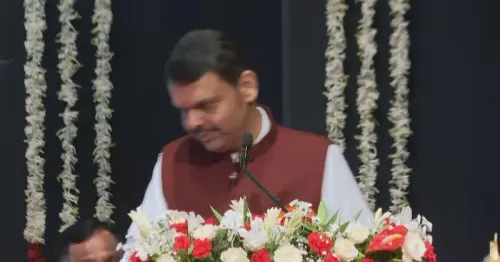
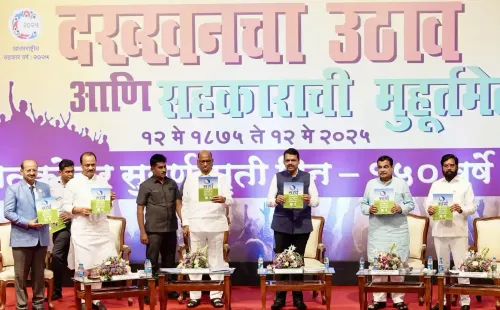
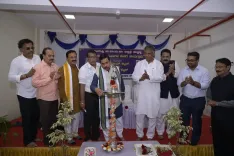
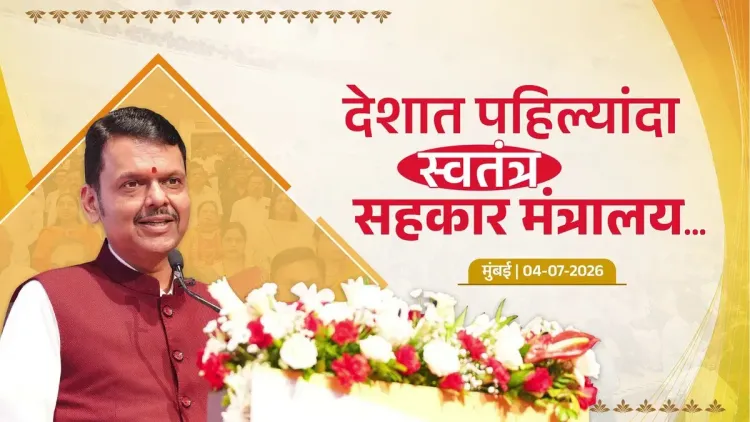
Maharashtra Chief Minister Devendra Fadnavis on Saturday, 4 July 2026, credited Prime Minister Narendra Modi with establishing India's first independent Ministry of Cooperation, making the remarks at the Sahakar Gaurav Puraskar (Cooperative Excellence Awards) ceremony held in Mumbai.
Speaking at the event, Fadnavis said, in both Marathi and Hindi: 'मा. पंतप्रधान नरेंद्र मोदीजी यांनी देशात पहिल्यांदा स्वतंत्र सहकार मंत्रालय स्थापन केले' — 'Honourable Prime Minister Narendra Modi Ji established, for the first time in the country, an independent Ministry of Cooperation.' The statement was made in the context of the awards ceremony recognising contributions to Maharashtra's and India's cooperative movement.
Context
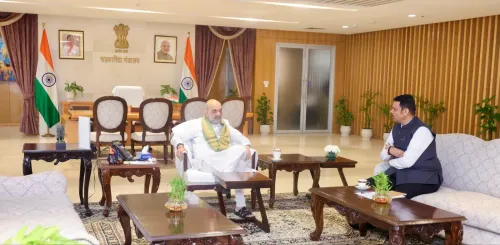
The Ministry of Cooperation was created by the Union Cabinet in July 2021, when functions related to the cooperative sector were carved out of the Ministry of Agriculture and Farmers Welfare to form a standalone ministry. It was the first time India had a dedicated central ministry exclusively for cooperatives. Amit Shah was appointed its first Union Minister, signalling the government's intent to give the sector focused political and administrative attention.
The Sahakar Gaurav Puraskar ceremony in Mumbai on 4 July 2026 coincides with the International Day of Cooperatives, observed annually on the first Saturday of July by the International Cooperative Alliance and recognised by the United Nations. The timing of CM Fadnavis's remarks underscores the symbolic alignment between the national-level policy architecture and grassroots cooperative recognition.
Policy Backdrop
Since its formation, the Ministry of Cooperation has pursued a broad mandate: creating a national cooperative database, amending the Multi-State Cooperative Societies Act, and integrating cooperatives into credit, marketing, and dairy schemes. The ministry's formation reflected a view within the central government that cooperatives — which span sugar mills, dairy federations, credit societies, and housing bodies — had been underserved by a ministry whose primary focus was agriculture.
Maharashtra is among India's most cooperative-dense states, home to some of the country's largest sugar cooperatives and the influential district central cooperative banks network. The state's political economy has historically been shaped by cooperative institutions, making the ministry's creation particularly resonant for Maharashtra's leadership and rural stakeholders.
Stakeholders and Impact
The primary beneficiaries of a strengthened cooperative framework are rural farmers, dairy producers, weavers, and members of credit and housing cooperative societies across India. A standalone ministry allows for dedicated budget allocations, focused legislative attention, and a single-window regulatory interface for multi-state cooperative societies that previously had to navigate multiple departments.
For Maharashtra specifically, where cooperative sugar factories and milk unions employ and support millions of households, the ministry's policy initiatives — including credit linkages and marketing infrastructure — carry direct economic weight. CM Fadnavis's public acknowledgement at an awards platform reinforces the state government's alignment with the central cooperative policy push.
What's Next
The International Day of Cooperatives gathering in Mumbai is expected to draw attention to the next phase of cooperative sector reform, including the possible expansion of multi-state cooperative institutions and deeper integration of cooperatives into government procurement and export frameworks. Further national-level policy announcements from the Ministry of Cooperation — particularly around credit access and digital registration of societies — remain on the watch list for the cooperative sector in the second half of 2026.
As the central government continues to build out its cooperative policy architecture, state-level ceremonies like the Sahakar Gaurav Puraskar serve as both recognition platforms and political signalling moments, reinforcing the BJP's sustained narrative of cooperative-led rural economic inclusion.
Point of View
Framing India's institutional move as globally resonant. Maharashtra's deep cooperative economy means such statements carry real policy weight here, not just rhetorical value. The broader arc suggests the BJP is systematically building a cooperative-sector identity to complement its rural welfare narrative heading into future electoral cycles.
NationPress
4 Jul 2026
Frequently Asked Questions
When was India's Ministry of Cooperation established?
India's Ministry of Cooperation was established in July 2021 by the Union Cabinet under PM Narendra Modi, making it the country's first standalone central ministry dedicated exclusively to the cooperative sector.
What is the Sahakar Gaurav Puraskar?
The Sahakar Gaurav Puraskar is an awards ceremony that recognises outstanding contributions to India's cooperative movement. The 2026 edition was held in Mumbai on 4 July , coinciding with the International Day of Cooperatives.
What did CM Devendra Fadnavis say about PM Modi at the Mumbai event?
CM Fadnavis stated that PM Narendra Modi established, for the first time in India, an independent Ministry of Cooperation — crediting the Prime Minister with giving the cooperative sector dedicated central governance.
What is the International Day of Cooperatives?
The International Day of Cooperatives is observed annually on the first Saturday of July, recognised by the United Nations and the International Cooperative Alliance to promote the cooperative movement worldwide.
Why is the Ministry of Cooperation significant for Maharashtra?
Maharashtra is one of India's most cooperative-dense states, home to major sugar cooperatives, dairy federations, and a large network of district central cooperative banks, making the ministry's focused policy attention directly relevant to millions of the state's rural households.