CM Fadnavis: Crop damage to be assessed at mandal level
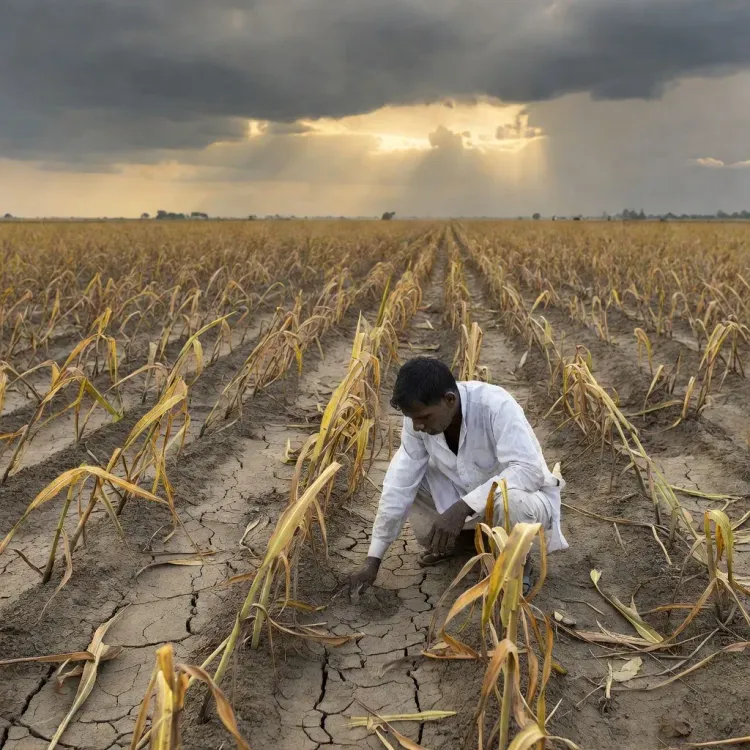
Synopsis
Maharashtra CM Devendra Fadnavis announced that crop-damage assessments will now be conducted at the mandal level — a finer unit than the taluka — and that compensation will extend to farmers in areas outside the official drought notification, widening relief coverage across the state.
Key Takeaways
Mandal-level assessment: Maharashtra will assess crop damage at the mandal (sub-taluka) level, capturing hyper-local losses missed by district or taluka-wide surveys.
Beyond the drought list: Farmers in areas not included in the official drought notification will now be eligible for compensation if they have suffered actual crop losses.
Cabinet decision: The move was announced as a cabinet decision by Chief Minister Devendra Fadnavis on 30 September 2026 .
Recurring reform: Maharashtra has a history of widening drought-relief coverage after initial notifications; this decision formalises the finer-grain approach.
Details pending: Assessment timelines, eligibility criteria for non-listed areas, and disbursement schedules are yet to be officially notified.
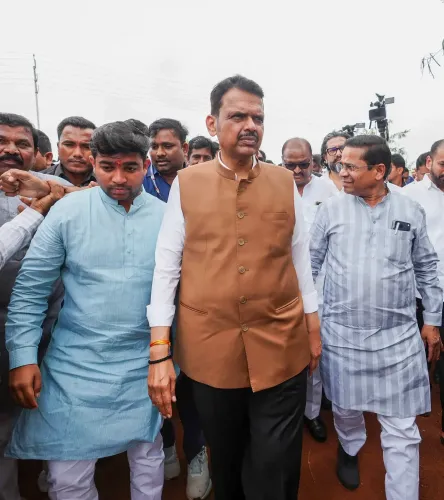
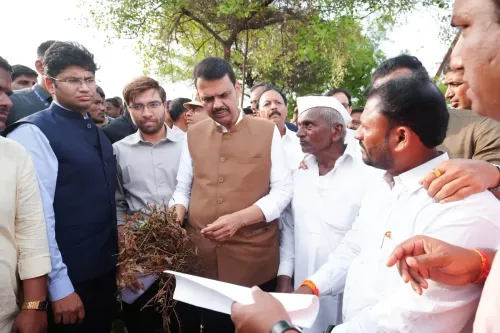
Farmers left out of Maharashtra's official drought list will no longer have to watch relief pass them by. The Chief Minister's Office of Maharashtra announced on Wednesday, 30 September 2026 that the state cabinet has decided to conduct crop-damage assessments at the mandal level — a finer geographic unit than the taluka or district — and to extend compensation cover to cultivators in areas not included in the formal drought notification, as stated by Chief Minister Devendra Fadnavis.
Why the mandal-level shift matters for farmers
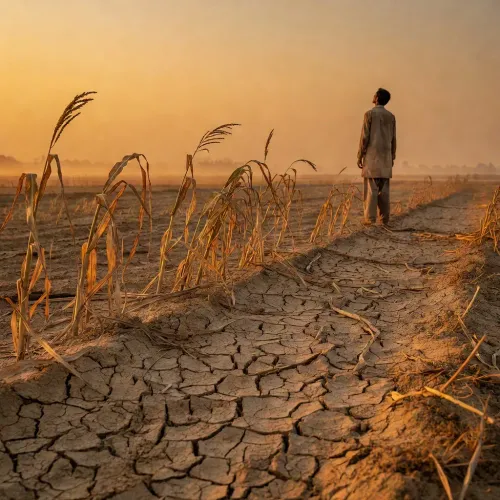
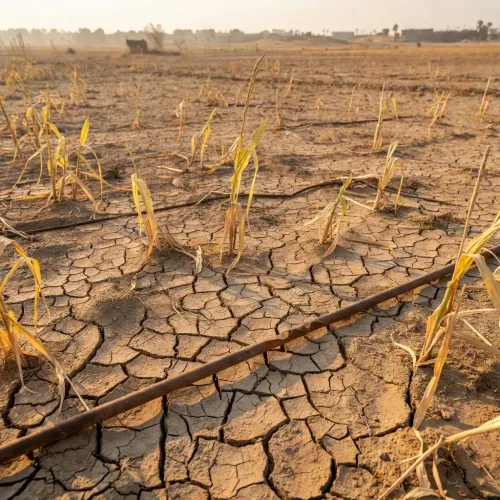
Maharashtra's relief machinery has historically worked off district or taluka-level drought declarations. The problem: a taluka tagged 'unaffected' can still contain pockets where crops have been wiped out by patchy, hyper-local rainfall failure. By dropping the assessment unit to the mandal — a sub-taluka revenue division — the state aims to catch those losses that aggregate data routinely obscures.
This is not the first time Maharashtra has tweaked its relief protocols. Successive governments have expanded drought coverage after the initial notification window, responding to farmer pressure and ground surveys. The current cabinet decision, however, formalises the finer-grain approach as a standing practice rather than an ad-hoc correction.
Covering losses outside the official drought list
CM Fadnavis specifically flagged that the new policy will cover crop losses in areas outside the drought-listed zones — arguably the more consequential half of the announcement. Farmers in non-listed areas have traditionally faced a bureaucratic wall: no drought tag, no compensation, regardless of what monsoon variability actually did to their standing crop. The cabinet decision, as communicated by the CMO, signals that physical crop loss — not administrative classification alone — will now drive eligibility.
Maharashtra's agrarian geography makes this significant. The state spans the rain-shadow Marathwada and Vidarbha belts as well as coastal Konkan, meaning monsoon performance varies sharply even within the same district. A mandal-level lens, paired with eligibility that looks past the drought roster, could meaningfully widen the net of compensation.
What farmers and officials need to watch next
The announcement leaves several details open: the timeline for completing mandal-level surveys, the criteria used to establish crop loss in non-listed areas, and when linked compensation disbursements will actually reach farmers' accounts. Until those mechanics are notified, the policy direction is clear but the delivery architecture is still taking shape.
For the Fadnavis government, the optics are deliberate — a cabinet-level signal ahead of the rabi planting season that the state is not waiting for a district to be formally declared drought-hit before acting on ground-level distress.
The mandal is now the measuring rod. Whether the relief reaches in time is the test that follows.
Point of View
The Fadnavis cabinet is tacitly acknowledging that formal drought declarations — shaped by aggregate data and political timing — often lag behind real-world crop failure. The move sits within a broader pattern of state governments across India being pushed, often by farmer unrest, to refine rather than reform relief architecture. The political calculus is visible: with rabi planting approaching and Marathwada and Vidarbha farmers watching the government closely, a cabinet-level signal on widened coverage is as much about credibility as it is about agronomy. Execution — specifically the speed and transparency of mandal surveys and disbursements — will determine whether this becomes a genuine relief upgrade or another well-intentioned announcement that stalls in the revenue machinery.
NationPress
30 Sept 2026
Frequently Asked Questions
What is mandal-level crop damage assessment in Maharashtra?
A mandal is a sub-taluka revenue unit. Assessing crop damage at the mandal level means surveyors evaluate losses in smaller geographic pockets rather than rolling them into broader taluka or district averages, which helps identify localised crop failures that aggregate data can miss.
Will farmers outside Maharashtra's drought list get compensation?
Yes, according to the cabinet decision announced by CM Devendra Fadnavis on 30 September 2026. Farmers who have suffered actual crop losses in areas not included in the official drought notification will be covered under the new assessment framework.
What did the Maharashtra cabinet decide on crop damage on 30 September 2026?
The Maharashtra cabinet decided to assess crop damage at the mandal level and to extend compensation to farmers in areas outside the formal drought-notified list, as announced by Chief Minister Devendra Fadnavis.
Why does Maharashtra hold separate drought notifications before giving farmer relief?
Under India's disaster-relief framework, state governments formally declare drought-affected areas before disbursing compensation from the State Disaster Relief Fund. Areas not on the list are normally ineligible, which is why the new decision to cover non-listed areas is significant.
Which regions of Maharashtra are most affected by uneven monsoon and crop losses?
Marathwada and Vidarbha are the most drought-prone regions, regularly experiencing below-average and erratic rainfall that causes crop failures. The rain-shadow geography of these belts makes mandal-level precision in damage assessment especially relevant.