CM Fadnavis Distributes Debt Relief Certificates to Farmers in Pandharpur
Synopsis
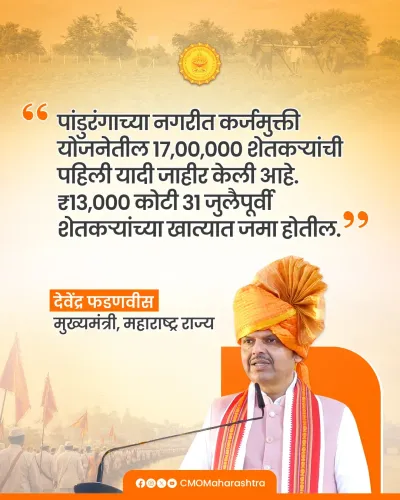
Chief Minister Devendra Fadnavis distributed debt-relief certificates and fresh crop-loan cheques to eligible farmers under the Punyashlok Ahilyadevi Holkar Shetkari Karjmukti Yojana 2026 at Pandharpur on 24 July, with the Solapur District Central Bank issuing new institutional credit to cleared beneficiaries.
Key Takeaways
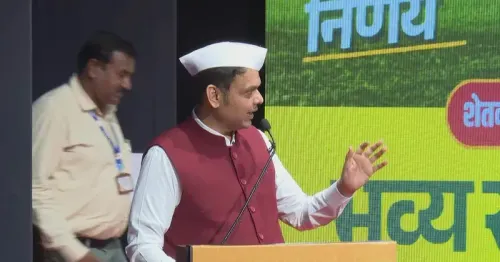
CM Devendra Fadnavis personally distributed debt-relief certificates to representative farmers at Pandharpur on 24 July 2026 .
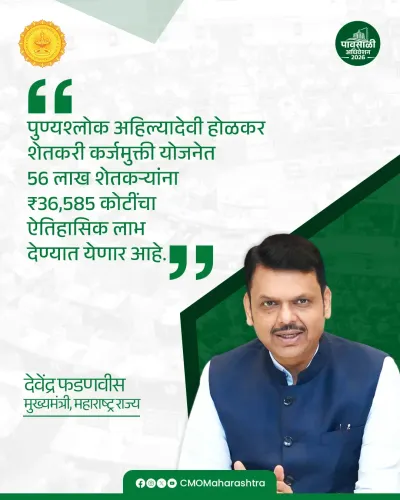
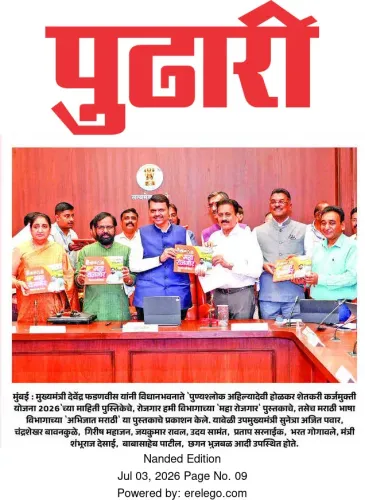
The event was held under the Punyashlok Ahilyadevi Holkar Shetkari Karjmukti Yojana 2026 , Maharashtra's current farm loan-waiver programme.
Seven named farmers from villages including Khardi , Siddhewadi , Gopalppur , and Tavshi received certificates as symbolic representatives of the wider beneficiary group.
The Solapur District Central Bank simultaneously issued fresh crop-loan cheques to farmers whose previous debts were waived, restoring their institutional credit access.
The scheme follows Maharashtra's established policy pattern of pairing loan waivers with immediate fresh credit disbursal through district cooperative banks.
Total beneficiary numbers, aggregate waiver amount, and full budget outlay are yet to be officially disclosed and will be watched in upcoming assembly sessions.
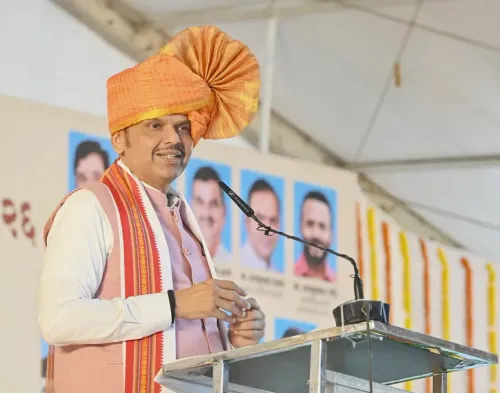
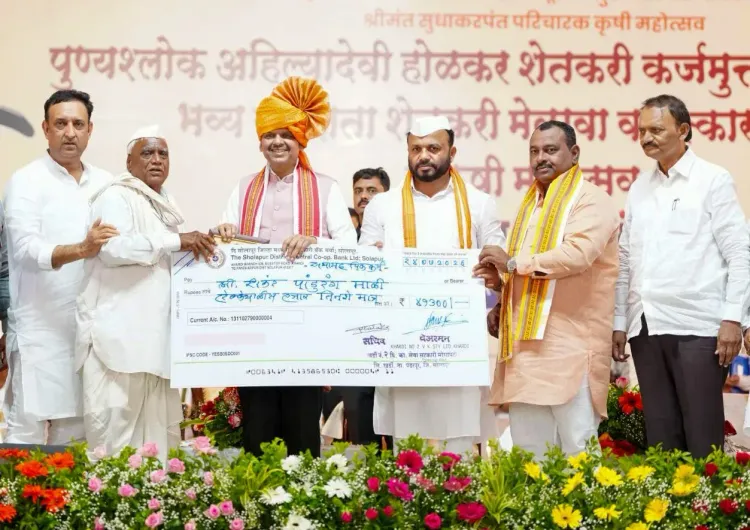
Chief Minister Devendra Fadnavis on Friday, 24 July 2026, distributed representative debt-relief certificates and fresh crop-loan cheques to eligible farmers under the 'Punyashlok Ahilyadevi Holkar Shetkari Karjmukti Yojana 2026' at an event held in Pandharpur, Solapur district, Maharashtra. The cheques were issued on behalf of the Solapur District Central Bank, providing newly cleared farmers with immediate access to institutional credit.
Context
The Chief Minister's Office of Maharashtra announced that CM Fadnavis personally handed certificates to seven representative beneficiaries at the Pandharpur event. The farmers named in the official post — including Shankar Mali (resident of Khardi), Subhadra Jadhav (Siddhewadi), Subhash Bansode (Siddhewadi), Khushaba Dabde (Gopalppur), Panda Ronge (Khardi), Dyanoba Pise (Tavshi), and Dadasao Yadav (Tavshi) — were presented as symbolic recipients of the wider relief drive. The dual distribution of debt-waiver certificates alongside fresh crop-loan cheques signals the scheme's two-pronged approach: clearing past dues and restoring credit access simultaneously.
Policy Backdrop
The 2026 scheme is named after Ahilyadevi Holkar, the 18th-century Malwa ruler widely revered for her welfare-oriented governance, lending the programme a culturally resonant identity. Maharashtra has a recurring history of state-funded farm loan waivers, most notably the Mahatma Jotiba Phule Shetkari Karjmukti Yojana announced in 2017 under a previous Fadnavis-led administration, which covered millions of distressed cultivators. The 2026 edition follows the same structural template: pairing a formal loan waiver with the immediate disbursal of fresh institutional credit through district cooperative banks, a model designed to prevent beneficiaries from slipping back into informal debt.
Pandharpur, a town of deep religious significance in the Solapur belt, was chosen as the venue — a choice that carries symbolic weight in a region where agrarian distress has historically been acute. Western Maharashtra and the Marathwada region have been focal points of successive relief packages owing to monsoon variability and volatility in key crop prices.
Stakeholders and Impact
The primary beneficiaries are small and marginal farmers in Solapur district and surrounding areas whose existing cooperative bank loans are being waived under the scheme's eligibility criteria. For these cultivators, debt relief restores their credit score with district central banks, making them eligible for the fresh crop loans distributed at the same event. The Solapur District Central Bank plays a central operational role, acting as the channel through which both the waiver is processed and new seasonal credit is extended.
District cooperative banks across Maharashtra are expected to be the primary institutional partners in the statewide rollout, as they hold the bulk of short-term agricultural credit in rural areas. The scheme's success in restoring credit flow will depend significantly on these banks' capacity to absorb the waived loan burden while extending new disbursals.
What's Next
The Pandharpur event represents a symbolic, representative launch rather than a full statewide distribution. Observers will watch for official figures on total beneficiaries, the aggregate loan amount waived, and the budget allocation underpinning the scheme — details that are expected to emerge through legislative disclosures in the upcoming monsoon or winter assembly sessions. Any supplementary budgetary approval required to fund the waiver at scale will be a key indicator of the programme's fiscal reach and political priority for the Fadnavis government.
Point of View
The Fadnavis government is anchoring a welfare scheme in both regional sentiment and historical legitimacy. The dual disbursal model — waiver certificate plus fresh crop-loan cheque in a single ceremony — is designed to counter the criticism that past relief packages left farmers debt-free but credit-starved. With statewide rollout figures still undisclosed, the political calculus will ultimately be tested by how broadly and quickly the scheme reaches beyond its representative seven beneficiaries. Maharashtra's farm-loan waiver history shows that the gap between announcement optics and ground-level implementation is where such programmes are won or lost.
NationPress
24 Jul 2026
Frequently Asked Questions
What is the Punyashlok Ahilyadevi Holkar Shetkari Karjmukti Yojana 2026?
It is Maharashtra's 2026 farmer debt-waiver scheme that clears eligible farmers' cooperative bank loans and simultaneously provides them with fresh institutional crop credit. The scheme is named after the 18th-century Malwa ruler Ahilyadevi Holkar.
Who distributed the debt-relief certificates in Pandharpur on 24 July 2026?
Chief Minister Devendra Fadnavis personally distributed the certificates and fresh crop-loan cheques to representative beneficiaries at the Pandharpur event on 24 July 2026.
Which bank issued the new crop-loan cheques at the Pandharpur event?
The Solapur District Central Bank issued the fresh crop-loan cheques to farmers who had been cleared of their previous debts under the Karjmukti Yojana 2026.
Which farmers received certificates at the Pandharpur event?
Seven representative farmers were named: Shankar Mali (Khardi), Subhadra Jadhav (Siddhewadi), Subhash Bansode (Siddhewadi), Khushaba Dabde (Gopalppur), Panda Ronge (Khardi), Dyanoba Pise (Tavshi), and Dadasao Yadav (Tavshi).
Has Maharashtra done farm loan waivers before?
Yes. Maharashtra has a recurring history of farm loan-waiver schemes. A notable earlier example is the Mahatma Jotiba Phule Shetkari Karjmukti Yojana announced in 2017, which covered millions of distressed farmers across the state.