CM Fadnavis Flags Drought Relief, Fodder Plan at Mumbai Women's Conclave
Synopsis
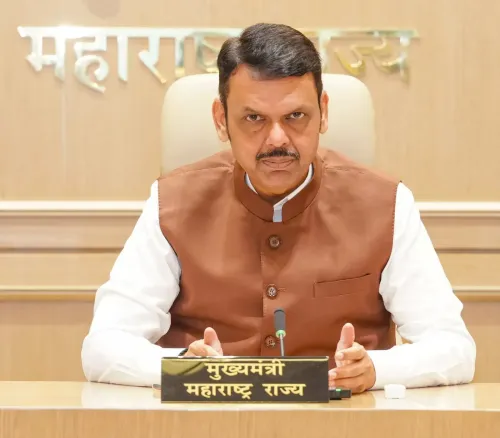
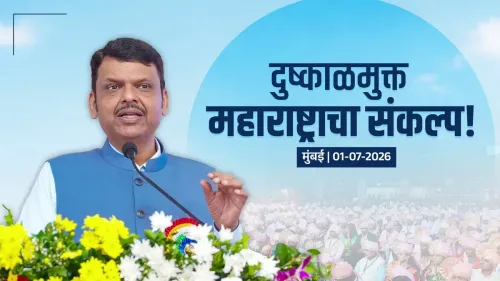
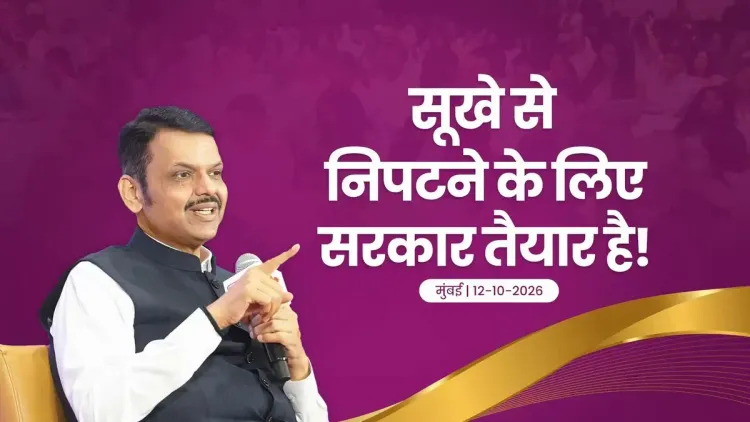
At the We Women Want Conclave in Mumbai on 12 October 2026, Maharashtra CM Devendra Fadnavis assured drought-affected farmers of comprehensive state support, specifically citing water planning and fodder arrangements for livestock as key pillars of the ongoing relief effort.
Key Takeaways
CM Devendra Fadnavis made a drought-relief assurance at the We Women Want Conclave and Shakti Puraskar Ceremony 2026 in Mumbai on 12 October 2026 .
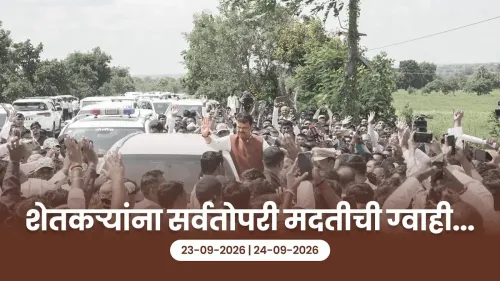
The state is providing 'every possible assistance' to drought-affected farmers in Maharashtra.
Relief measures specifically include proper water planning and organised fodder supply for livestock .
Addressing livestock fodder reflects recognition that cattle loss compounds crop failure for rural households.
The conclave is a women's empowerment platform, highlighting the disproportionate burden drought places on rural women.
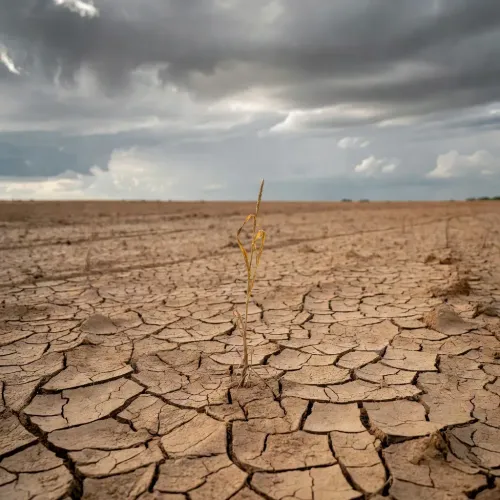
Maharashtra's Marathwada and Vidarbha belts have historically faced severe water and agrarian stress.
While addressing a women's empowerment conclave in the country's financial capital, Maharashtra Chief Minister Devendra Fadnavis turned the spotlight on a quieter crisis unfolding across the state's farmlands — and made a direct assurance to the families bearing it.
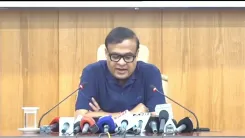
Speaking at the We Women Want Conclave and Shakti Puraskar Ceremony 2026 in Mumbai on 12 October 2026, Fadnavis declared that drought-affected farmers are being provided 'every possible assistance.' Critically, he specified two concrete pillars of the relief effort: proper water planning and organised fodder supply for livestock — a detail that signals the state's acknowledgment that the crisis extends beyond crops to the animals that millions of rural households depend on for their livelihood.
What the relief package covers — and why livestock matters
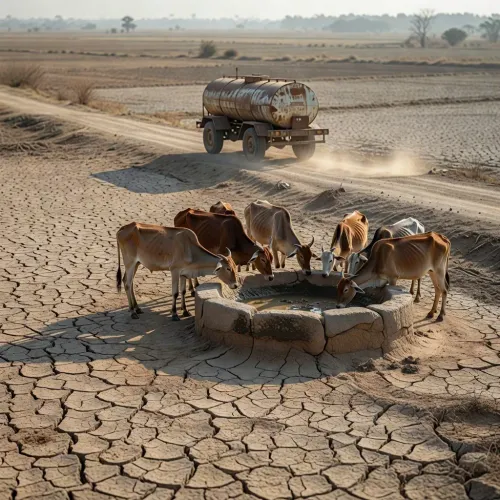
In Maharashtra's agrarian distress cycles, livestock loss often compounds crop failure in ways that push families beyond recovery. A farmer who loses a standing crop can replant next season; a farmer who loses cattle loses draught power, milk income, and collateral simultaneously. By explicitly naming chaऱ्याची व्यवस्था (fodder arrangement) alongside water planning, Fadnavis's statement signals that the current relief framework is designed to protect both dimensions of rural survival.
The assurance of 'proper water planning' points to coordinated tanker supply, prioritisation of drinking water for villages, and management of whatever reservoir stocks remain — standard drought-protocol levers in a state that has faced severe water stress across its Marathwada and Vidarbha belts repeatedly in recent years.
A relief pledge at a women's platform — the political calculus
The choice of venue is worth noting. The We Women Want Conclave, organised by @Wewomenwantoffc, is a platform focused on women's agency and recognition — the Shakti Puraskar awards are its centrepiece. That Fadnavis chose this moment to broadcast drought-relief assurances reflects the reality that agrarian distress falls disproportionately on rural women, who manage household water, feed animals, and absorb the daily grind of scarcity when male members migrate for work. Framing relief at a women's empowerment event is not incidental — it is a governing signal.
The state's burden and what comes next
Maharashtra routinely ranks among India's most drought-prone states. Relief frameworks typically involve panchnama-based crop-loss assessments, NDRF/SDRF fund deployment, and coordination between the revenue and water resources departments. With the kharif harvest season coinciding with this announcement, the adequacy and speed of disbursement will be the test that farmers in affected districts will apply to these assurances in the weeks ahead.
A promise made from a Mumbai stage now has to be felt in a Marathwada village. That gap — between announcement and delivery — is where Maharashtra's drought relief will ultimately be judged.
Point of View
Making this audience a pointed choice. The explicit mention of livestock fodder alongside water planning suggests the state is at least publicly tracking the full spectrum of agrarian distress, not just crop damage. However, Maharashtra's history of delayed SDRF disbursements and contested drought declarations means the credibility of this assurance will be tested by the pace of ground-level delivery in Marathwada and Vidarbha. For Fadnavis, converting a conclave pledge into measurable village-level relief before the rabi sowing window is both a policy imperative and a political one.
NationPress
12 Oct 2026
Frequently Asked Questions
What relief is Maharashtra providing to drought-affected farmers in 2026?
Maharashtra CM Devendra Fadnavis has stated that drought-affected farmers are receiving 'every possible assistance,' including proper water planning and organised fodder supply for livestock, as announced at the We Women Want Conclave in Mumbai on 12 October 2026.
Why did CM Fadnavis mention livestock fodder in his drought relief statement?
Livestock loss during drought compounds crop failure for rural families, as cattle provide draught power, milk income, and economic collateral. By naming fodder supply specifically, Fadnavis signalled that the relief framework covers both crop and animal husbandry dimensions of the crisis.
What is the We Women Want Conclave and Shakti Puraskar 2026?
The We Women Want Conclave is a women's empowerment platform organised by @Wewomenwantoffc. The Shakti Puraskar is its awards ceremony recognising women's contributions. The 2026 edition was held in Mumbai on 12 October 2026.
Which regions of Maharashtra are most affected by drought?
Maharashtra's Marathwada and Vidarbha belts are historically the most drought-prone regions of the state, frequently facing severe water stress and agrarian distress during deficit monsoon years.
How does Maharashtra fund drought relief for farmers?
Maharashtra typically deploys State Disaster Response Fund (SDRF) and National Disaster Response Fund (NDRF) resources for drought relief, involving crop-loss assessments through the revenue department and coordination with the water resources department for supply management.