CM Fadnavis Hands Over BDD Chawl, Ashray Yojana Keys in Mumbai
Synopsis
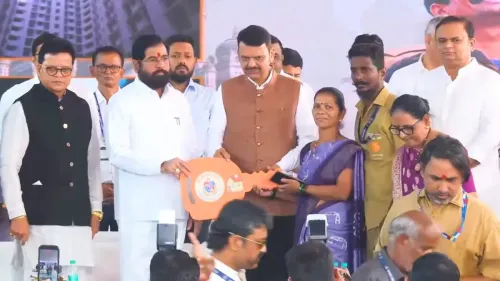
Maharashtra CM Devendra Fadnavis handed over Phase 2 Ashray Yojana homes and 557 BDD Chawl rehabilitation flats in Mumbai on Diwali, upgrading sanitation workers from 150 sq ft to 300 sq ft homes and chawl residents from 160 sq ft to 500 sq ft 2BHK ownership flats under India's largest redevelopment project.
Key Takeaways
557 rehabilitation flats under the N.M.
Joshi Marg, Lower Parel, BDD Chawl Redevelopment Project handed over in Mumbai on November 6, 2026 .
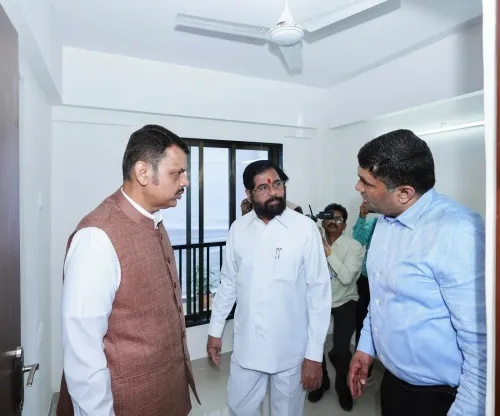
The BDD Chawl project, spread across 13.49 acres , replaces 160 sq ft tenements with ownership-titled 500 sq ft 2BHK homes — billed as India's largest redevelopment project.
Police personnel who have lived in BDD Chawls for generations are also among the beneficiaries receiving formal ownership.
Ashray Yojana delivers 300 sq ft prefabricated homes to sanitation workers (up from 150 sq ft ), with a 100-year expected lifespan and a 10-year developer maintenance obligation.
All eligible sanitation worker service quarters are targeted for delivery by 2028 .
MHADA is the nodal implementing agency for both schemes.
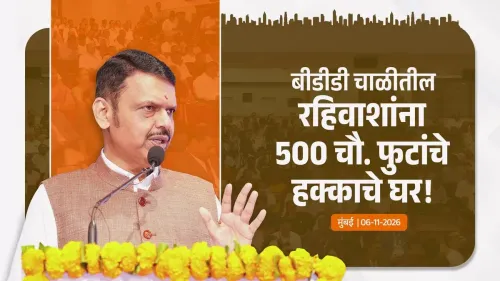
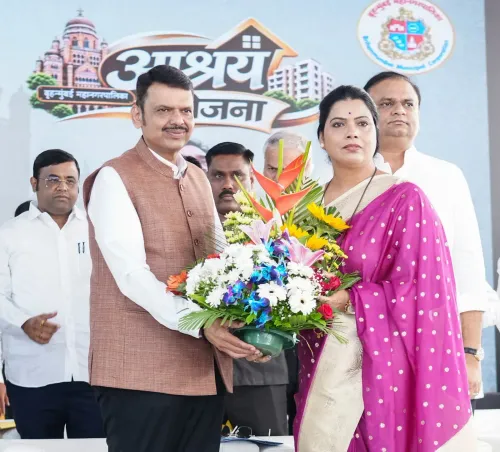
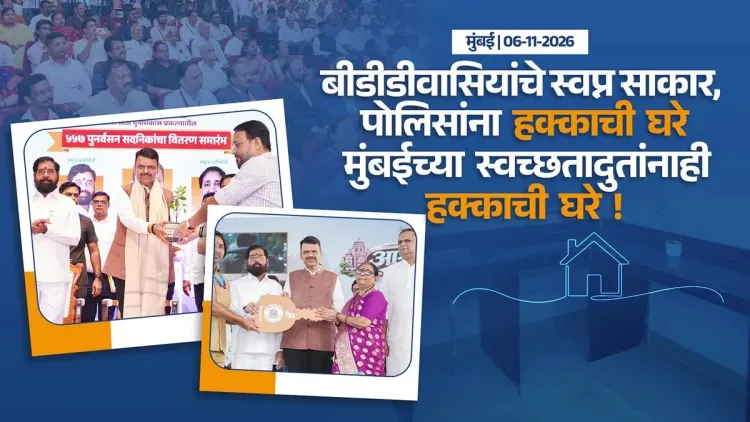
Three generations of Mumbai families once squeezed into 160 sq ft rooms are finally stepping into 500 sq ft, 2BHK ownership flats — and on the eve of Diwali, no less. Maharashtra Chief Minister Devendra Fadnavis handed over keys to beneficiaries under Phase 2 of the Ashray Yojana and 557 rehabilitation flats under the N.M. Joshi Marg, Lower Parel, BDD Chawl Redevelopment Project in Mumbai on Friday, November 6, 2026.
India's Largest Redevelopment Project Delivers on Its Promise
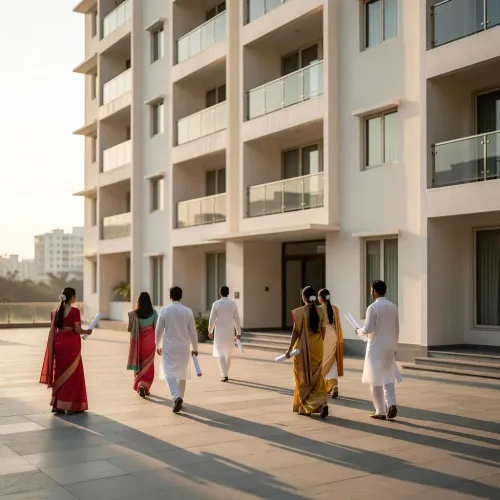
The BDD Chawl Redevelopment Project is not a modest urban upgrade — it is billed as India's largest redevelopment project, stretching across 13.49 acres and unfolding in two phases. The colonial-era chawls it replaces were built as workers' barracks and have stood, largely unchanged, for nearly a century. Residents who once lived in 160 sq ft tenements now receive ownership titles to fully fitted 500 sq ft 2BHK homes. Ownership, not tenancy. That distinction matters enormously in a city where real estate is among the most expensive on the planet.
MHADA — the Maharashtra Housing and Area Development Authority — is the nodal agency implementing the project. Among the beneficiaries highlighted by Fadnavis are police personnel who have lived in BDD Chawls for generations, a cohort whose housing rights had long remained unresolved despite their service to the city.
Ashray Yojana: Dignity in Prefabricated Form for Sanitation Workers
Running parallel is the Ashray Yojana, a targeted scheme for Mumbai's sanitation workers — the people who keep the city's drains, streets and waste systems running. Under it, workers currently living in 150 sq ft quarters will move into 300 sq ft prefabricated homes, built with an expected lifespan of 100 years and covered by a 10-year developer maintenance obligation. The state has set a target of providing service quarters to all eligible workers by 2028.
Prefabricated construction at this scale allows faster delivery and tighter quality control — a practical choice for a scheme with a hard deadline. The maintenance clause is equally significant: it transfers accountability to developers for a decade, insulating residents from the neglect that has historically plagued public housing projects.
A Diwali Handover with Political Weight
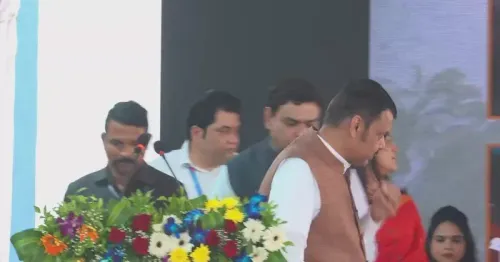
Timing a housing handover to Diwali is never accidental in Maharashtra politics. The occasion — with its associations with new beginnings and the return home — amplifies the symbolic resonance of keys changing hands. Fadnavis said in his post that both initiatives go 'beyond providing housing' and are 'about securing a better future for the people who have contributed immensely to Mumbai,' adding that the state is 'committed to ensuring that original Mumbaikars and Marathi people can continue to live with dignity in the city they call home.'
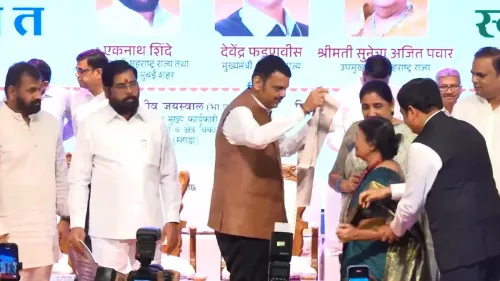
The event drew a cross-party constellation of dignitaries: Assembly Speaker Adv. Rahul Narwekar, Deputy Chief Minister Eknath Shinde, Deputy Chief Minister Sunetra Pawar, Legislative Council Deputy Chairman Sachin Ahir, Minister Ashish Shelar, MoS Dr. Pankaj Bhoyar, MP Milind Deora, MLC Dr. Manisha Kayande, Mumbai Mayor Ritutai Tawde, Deputy Mayor Sanjay Ghadi and senior officials from BMC and MHADA.
What Comes Next for Mumbai's Chawl Residents
The remaining phases of the BDD Chawl project and the full Ashray Yojana rollout now run against the 2028 target. Enforcement of the developer maintenance clause — ensuring that the 10-year obligation on Ashray Yojana units is actually honoured — will be the real test of whether this round of housing delivery holds up beyond the ribbon-cutting. For thousands of families watching the queue move forward, the question is simple: when does their name come up?
Mumbai's housing crisis has no single fix, but converting tenants into owners and barracks into homes is a structural shift the city's most essential workers have waited decades for. This Diwali, at least, some of them are home.
Point of View
Ownership-transfer housing milestones to consolidate support among working-class urban communities — particularly sanitation workers, police personnel and long-term chawl residents who form a significant electoral constituency in Mumbai. Timing the event at Diwali amplifies both the optics and the emotional resonance, transforming a housing delivery into a symbolic statement about belonging and dignity for 'original Mumbaikars.' The explicit mention of Marathi identity in Fadnavis's post also signals the political framing: in a city where rapid gentrification routinely displaces older communities, the state is positioning itself as the guarantor of continuity for legacy residents. The real accountability test, however, lies ahead — in the 2028 target and the enforceability of developer maintenance obligations.
NationPress
7 Nov 2026
Frequently Asked Questions
What is the BDD Chawl Redevelopment Project in Mumbai?
The BDD Chawl Redevelopment Project is billed as India's largest redevelopment project, covering 13.49 acres across two phases in Mumbai. It replaces colonial-era 160 sq ft chawl tenements with modern 500 sq ft 2BHK ownership flats for eligible long-term residents, including police personnel who have lived there for generations. MHADA is the nodal implementing agency.
What is the Ashray Yojana and who does it benefit?
Ashray Yojana is a Maharashtra government housing scheme specifically for sanitation workers. It provides 300 sq ft prefabricated homes — replacing existing 150 sq ft quarters — with a 100-year expected lifespan , modern amenities and a 10-year developer maintenance obligation . The state aims to provide service quarters to all eligible workers by 2028 .
How many flats were handed over in the BDD Chawl event on November 6, 2026?
CM Devendra Fadnavis handed over keys to 557 rehabilitation flats under the N.M. Joshi Marg, Lower Parel, BDD Chawl Redevelopment Project, along with Phase 2 beneficiaries under the Ashray Yojana, at the event held in Mumbai on November 6, 2026 .
What is MHADA's role in the BDD Chawl project?
MHADA — the Maharashtra Housing and Area Development Authority — is the nodal government agency responsible for implementing the BDD Chawl Redevelopment Project and related urban housing schemes in Mumbai.
Will police personnel living in BDD Chawls get new homes?
Yes. CM Fadnavis specifically confirmed that eligible police personnel who have lived in BDD Chawls for generations will also receive ownership of the new 500 sq ft 2BHK homes under the redevelopment project.