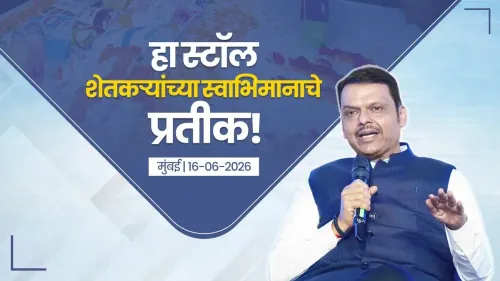
CM Fadnavis inspects new Silk Cocoon Market building in Jalna
Synopsis
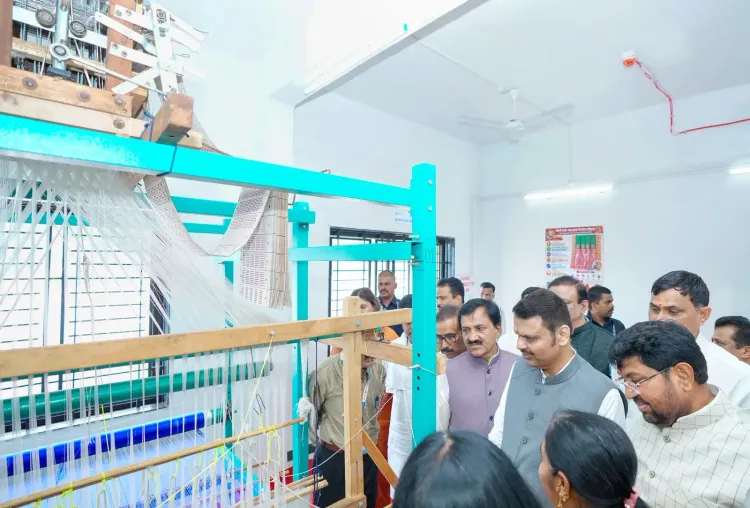
Chief Minister Devendra Fadnavis toured the newly constructed Silk Cocoon Market building in Jalna on 14 August 2026, inspecting its processing departments. Minister Pankaja Munde and four local MLAs accompanied him, signalling the state's push to modernise sericulture infrastructure in the Marathwada region.
Key Takeaways
CM Devendra Fadnavis inspected the new Silk Cocoon Market building in Jalna on 14 August 2026 .
The inspection covered various processing departments within the newly constructed facility.
Minister Pankaja Munde and legislators Babanrao Lonikar , Narayan Kuche , Santosh Danve , and Arjun Khotkar were present.
The market serves as a key node in Maharashtra's sericulture value chain, connecting silk farmers with traders and processors.
CM-level inspections of new market facilities typically precede a formal operational launch or inauguration.
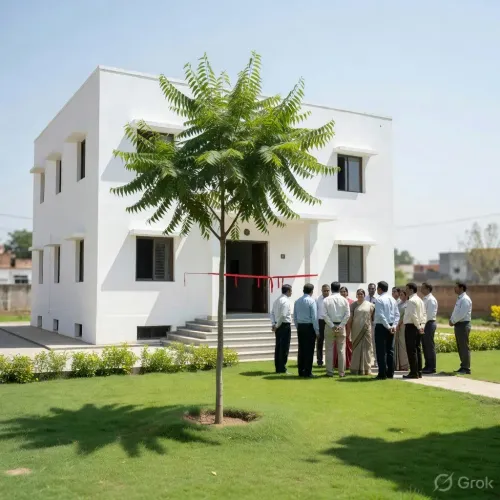
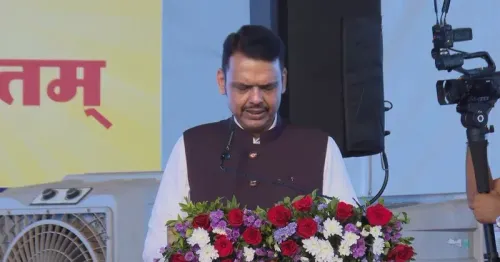
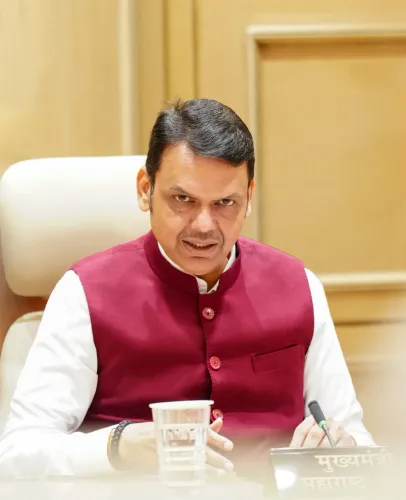
A new building at Jalna's Silk Cocoon Market got a high-level walkthrough on Friday, 14 August 2026, as Chief Minister Devendra Fadnavis personally inspected the facility's various processing sections — a signal that Maharashtra is pushing this rural trading hub toward operational readiness.
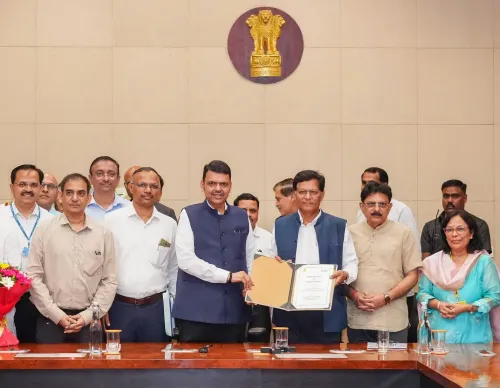
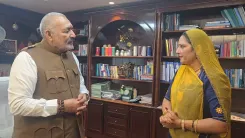
The Chief Minister's Office of Maharashtra confirmed that Fadnavis toured the different processing departments housed within the newly constructed market building in Jalna. The inspection was accompanied by a prominent political contingent: Minister Pankaja Munde, along with legislators Babanrao Lonikar, Narayan Kuche, Santosh Danve, and Arjun Khotkar.
Why Jalna's silk market matters to Maharashtra's rural economy
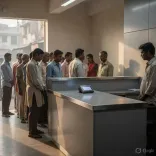
Jalna district sits at the heart of Maharashtra's Marathwada region, an area where agriculture and agro-processing form the backbone of local livelihoods. The Silk Cocoon Market is a critical link in the sericulture value chain — connecting silk farmers who rear silkworms with the traders and processors who move the cocoons into the broader textile industry.
Maharashtra governments have periodically upgraded agricultural market infrastructure to modernise rural trading hubs and shore up value chains in sericulture and allied sectors. A dedicated facility with organised processing departments can reduce post-harvest losses, improve price discovery for farmers, and attract larger buyers — outcomes that matter acutely to Jalna's silk farming community.
Fadnavis's field inspection as a governance signal
Devendra Fadnavis, in his current and prior terms as Chief Minister, has emphasised on-ground oversight of state development projects. A CM-level inspection of a newly constructed market building typically precedes a formal inauguration or operational launch — it is the state's way of verifying that infrastructure is ready before handing it over to farmers and traders.
The presence of Pankaja Munde — a minister closely associated with rural development portfolios — alongside four local legislators underscores the political and administrative weight the state is placing on this facility. Jalna is a constituency-rich belt, and delivering visible agricultural infrastructure carries both economic and electoral resonance.
Whether a formal launch date has been fixed and what budgetary provisions back the facility's long-term operations remain the next markers to watch for silk farmers and the sericulture sector across Maharashtra.
Point of View
Equally, keeps local legislators and their constituencies visible ahead of any formal launch. For Fadnavis, Marathwada has historically been a region where development optics carry significant political weight, and sericulture infrastructure directly touches a farming community that votes in large numbers. Pankaja Munde's presence adds a rural-development policy layer — her portfolio alignment makes this more than a ceremonial walkthrough. The real test will be whether the facility translates into measurable income gains for Jalna's silk farmers or remains a well-photographed building.
NationPress
14 Aug 2026
Frequently Asked Questions
What did CM Devendra Fadnavis inspect in Jalna?
CM Devendra Fadnavis inspected the new building of the Silk Cocoon Market in Jalna on 14 August 2026, reviewing its various processing departments.
What is the Jalna Silk Cocoon Market?
The Silk Cocoon Market in Jalna is a trading and processing facility that supports the sericulture sector in Maharashtra's Marathwada region, linking silk farmers with traders and processors.
Who accompanied CM Fadnavis during the Jalna market inspection?
Minister Pankaja Munde and MLAs Babanrao Lonikar, Narayan Kuche, Santosh Danve, and Arjun Khotkar accompanied CM Fadnavis during the inspection.
Why is the Jalna Silk Cocoon Market important for farmers?
The market provides organised infrastructure for cocoon trade and processing, which can improve price discovery and reduce post-harvest losses for silk farmers in the Jalna district.
Has the new Jalna silk market been inaugurated yet?
As of the CM's inspection on 14 August 2026, the facility was being reviewed for operational readiness; a formal inauguration date has not been publicly confirmed.