CM Fadnavis Meets World Bank on Urban Water and Sanitation
Synopsis
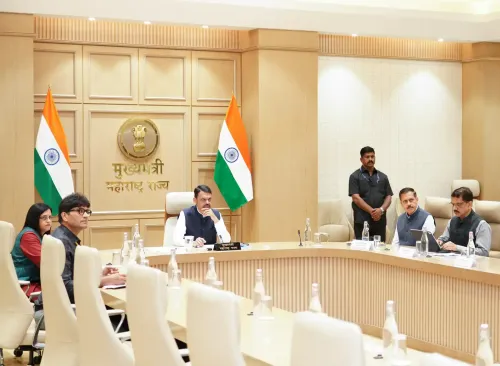
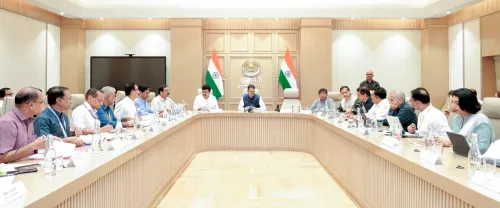
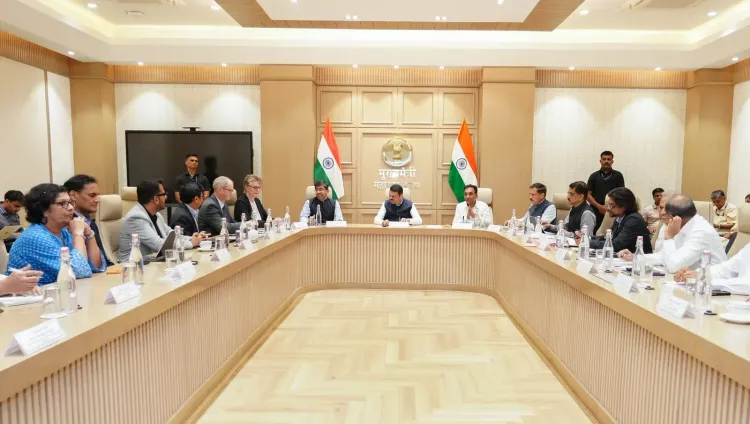
Chief Minister Devendra Fadnavis chaired a meeting with a World Bank delegation, including South Asia Regional Director Mara Warwick, at Varsha Bungalow, Mumbai on 22 October 2026, focused on improving water supply and sanitation across Maharashtra's urban local bodies.
Key Takeaways
CM Devendra Fadnavis chaired a high-level meeting with the World Bank at Varsha Bungalow, Mumbai on 22 October 2026 .
The meeting focused on water supply and sanitation across various urban local bodies in Maharashtra .
Mara Warwick , World Bank's Regional Director for South Asia , led the multilateral delegation alongside senior officials.
The World Bank has supported urban water and sanitation programmes in Indian states, including Maharashtra, for over two decades.
No specific project commitments or funding figures have been announced from this meeting as yet.
At Varsha Bungalow, Mumbai, on 22 October 2026, Chief Minister Devendra Fadnavis sat across from a senior World Bank delegation to tackle one of Maharashtra's most persistent urban governance challenges — reliable water supply and sanitation across the state's municipal bodies. The meeting signals Maharashtra's active push to bring multilateral expertise and financing into its urban infrastructure pipeline.
World Bank's South Asia Director at the Table
Leading the World Bank side was Mara Warwick, Regional Director for South Asia — the institution's top operational voice for the region, accompanied by senior officials. Her presence at Varsha Bungalow at 2:55 PM is itself a signal: this was not a courtesy call. The Regional Director's direct engagement points to substantive discussions on the scale and scope of potential support for Maharashtra's urban local bodies.
Maharashtra's Municipal Water Challenge
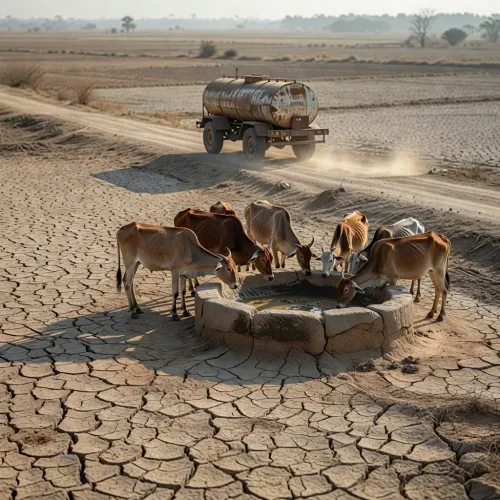
Maharashtra is home to some of India's most densely populated urban centres, from Mumbai and Pune to a sprawling network of smaller municipal bodies — each carrying its own water supply stress and sanitation gap. The World Bank has a two-decade track record of financing and providing technical support for exactly these kinds of municipal reform programmes across Indian states, including Maharashtra. The discussions on 22 October build on that lineage, with the focus squarely on improving service efficiency, coverage, and long-term sustainability.
What Comes Next for Urban Local Bodies
CM Fadnavis, who has held the state's top office since 2023 — and previously from 2014 to 2019 — has consistently positioned infrastructure modernisation as a governance priority. The outcome of Thursday's talks could shape project financing agreements, technical assistance frameworks, or pilot programmes targeting specific urban local bodies across the state. Watch for formal announcements in the weeks ahead.
If Thursday's meeting moves from discussion to commitment, millions of Maharashtra's urban residents could find their taps running more reliably — and their streets cleaner.
Point of View
Not merely exploratory dialogue. For Fadnavis, who has made infrastructure modernisation a political calling card across two terms, this meeting fits a deliberate pattern of leveraging international institutions to accelerate urban service delivery. The broader arc here is India's ongoing use of multilateral development finance to bridge the gap between rapid urbanisation and lagging municipal infrastructure. If Maharashtra secures a substantive World Bank programme, it could become a template other large Indian states look to replicate.
NationPress
22 Oct 2026
Frequently Asked Questions
What was the World Bank meeting with CM Fadnavis about?
The meeting, held on 22 October 2026 at Varsha Bungalow in Mumbai, focused on improving water supply and sanitation services across various urban local bodies in Maharashtra, with World Bank South Asia Regional Director Mara Warwick and senior officials in attendance.
Who is Mara Warwick?
Mara Warwick is the Regional Director for South Asia at the World Bank, overseeing the institution's operations and engagements across the region, including India.
Has the World Bank funded water projects in Maharashtra before?
Yes. The World Bank has a track record of financing and providing technical support for urban water supply and sanitation programmes in Maharashtra and other Indian states over the past two decades.
What could come out of this World Bank-Maharashtra meeting?
Possible outcomes include project financing agreements, technical assistance frameworks, or pilot programmes for specific urban local bodies in Maharashtra, though no formal commitments have been announced yet.
Which urban areas in Maharashtra are covered under such World Bank discussions?
The discussions cover various urban local bodies across Maharashtra, which range from major cities like Mumbai and Pune to smaller municipal areas facing water supply and sanitation challenges.